
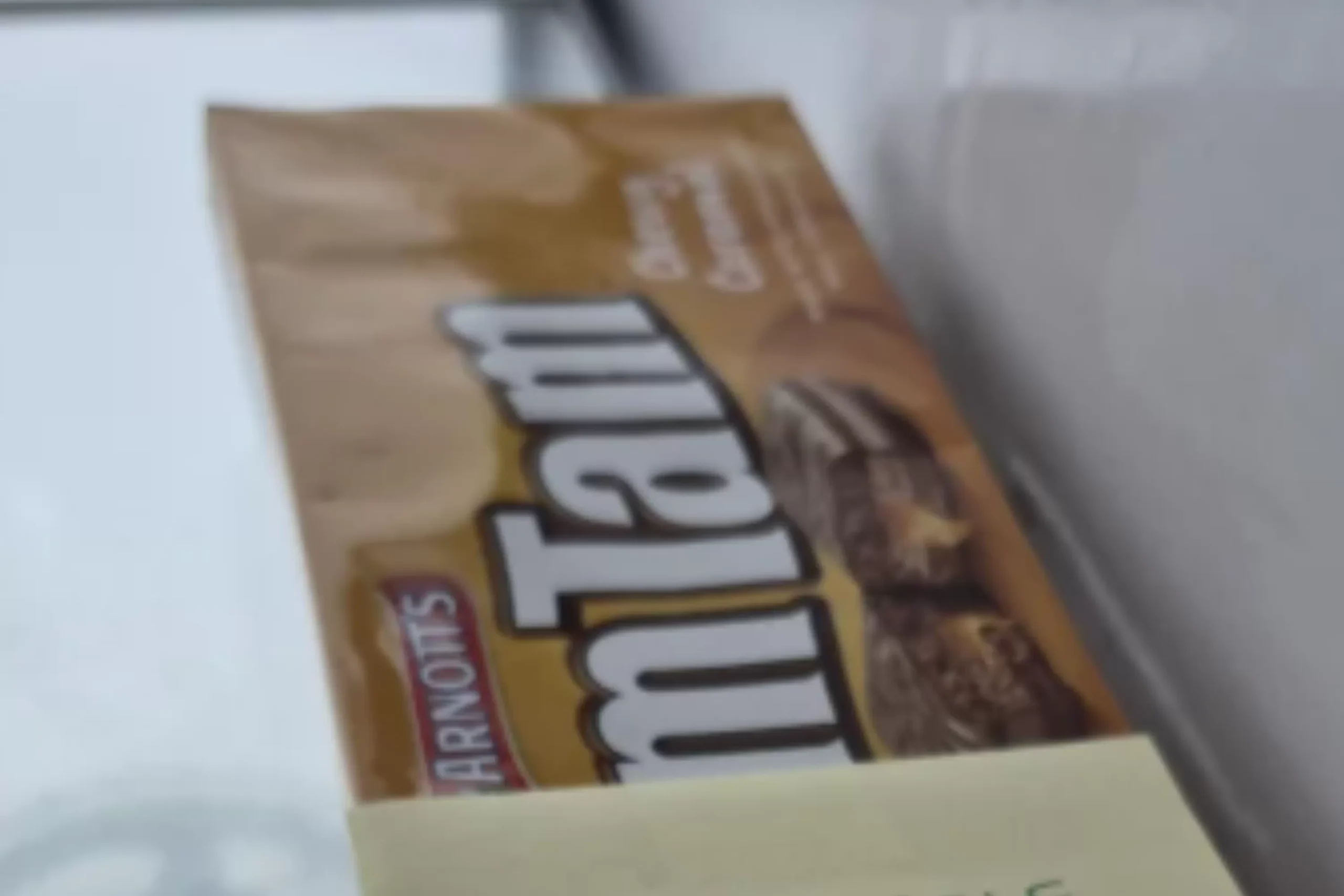
“I’m more shocked that people would willingly eat food out of the fridge like that… like what if it isn’t good?” said one user.
We have all been guilty of it at some point in our lives – reaching into the fridge, grabbing a container of leftovers, and taking a bite without a second thought. But have you ever stopped to consider the potential consequences of eating food that may not be good? This simple question posed by a user on social media has sparked a conversation about food safety and our habits when it comes to consuming food from the fridge.
The truth is, we live in a fast-paced world where convenience often takes priority over caution. We are constantly on the go, juggling work, family, and other responsibilities, leaving little time for meal planning and proper food storage. As a result, we often turn to our trusty refrigerators to store our meals, snacks, and leftovers, without giving much thought to the potential risks.
But the reality is, food that has been sitting in the fridge for too long can harbor harmful bacteria that can lead to food poisoning. And while most of us may think that a quick sniff or taste test can determine if food is still good to eat, the truth is, these methods are not always reliable.
According to the Centers for Disease Control and Prevention (CDC), around 48 million people in the United States suffer from foodborne illnesses every year, with 128,000 of those cases leading to hospitalization and 3,000 resulting in death. These staggering numbers serve as a reminder that food safety should not be taken lightly.
So why do we continue to take chances with our health by consuming food from the fridge without proper precautions? One reason could be our busy lifestyles, as mentioned earlier. But another factor could be our lack of knowledge about proper food storage and expiration dates. Many of us are not aware that certain foods have a shorter shelf life than others and can spoil quickly if not stored properly.
But there is good news – with a few simple steps, we can ensure that the food we consume from the fridge is safe and healthy. The first step is to understand the different types of food and their recommended storage guidelines. For example, raw meat and seafood should be stored in the coldest part of the fridge, while dairy products should be kept in their original packaging and placed on the top shelf.
Another crucial step is to pay attention to expiration dates. While some foods may still be safe to eat after their expiration date, it is always best to err on the side of caution and discard any food that has passed its recommended date. Additionally, it is essential to properly seal and label all containers to avoid cross-contamination and confusion about how long the food has been in the fridge.
But what about those times when we are faced with a fridge full of leftovers and are unsure of how long they have been sitting there? In these instances, it is best to use the “when in doubt, throw it out” approach. It may be tempting to save money and reduce food waste by consuming leftovers, but the risk of food poisoning is not worth the potential savings.
It is also worth mentioning that proper food storage and handling is not just limited to the refrigerator. The same principles should be applied when it comes to packing lunches, picnics, and other meals on the go. It is crucial to keep perishable foods, like sandwiches and salads, in a cooler with ice packs to maintain a safe temperature.
In conclusion, the next time you reach into the fridge for a quick snack or meal, take a moment to consider the potential risks. By following simple steps like proper storage, paying attention to expiration dates, and using the “when in doubt, throw it out” approach, we can ensure that the food we consume from the fridge is safe and healthy. Let’s make food safety a priority in our busy lives and avoid any unnecessary risks. After all, our health is not something we should take for granted.
