
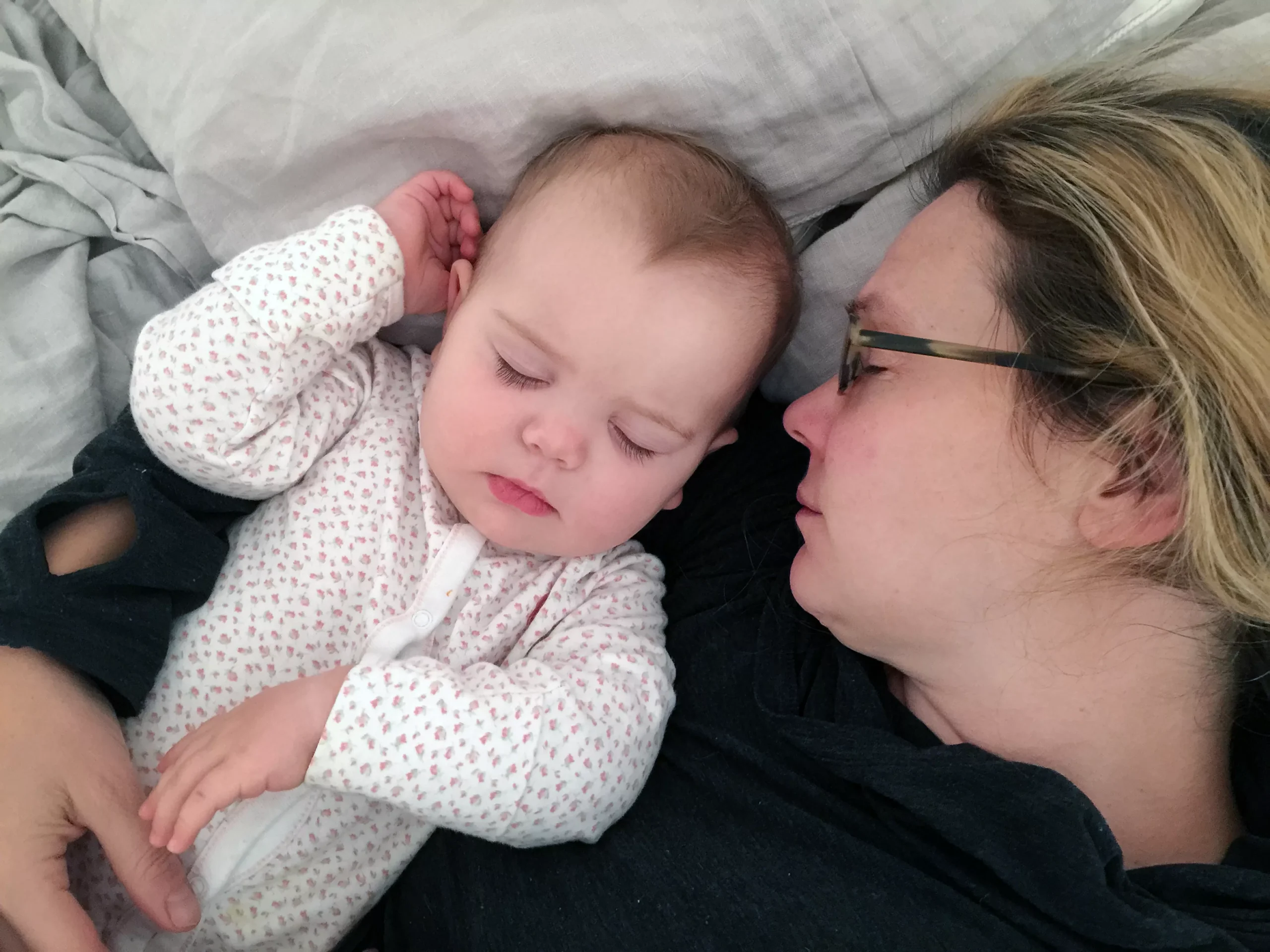
A popular item in baby rooms could be causing them to have less deep sleep, according to researchers. As parents, we always want the best for our little ones, especially when it comes to their sleep. However, a recent study has found that a common item found in many baby rooms may actually be hindering their ability to get a good night’s rest.
The study, conducted by researchers at the University of California, found that the use of white noise machines in baby rooms may be disrupting the quality of sleep for infants. White noise machines are often used to create a soothing and calming environment for babies, mimicking the sounds they hear in the womb. However, the study found that these machines may actually be causing more harm than good.
The researchers monitored the sleep patterns of 14 infants, aged between 6 and 12 months, over the course of three nights. They found that when the white noise machine was turned on, the infants had significantly less deep sleep compared to when it was turned off. Deep sleep is crucial for babies as it is during this stage that their bodies and brains are able to rest and recharge.
So why is the use of white noise machines affecting the quality of sleep for babies? According to the researchers, the constant and monotonous sound produced by these machines can disrupt the natural sleep cycle of infants. This can lead to them waking up more frequently and having a harder time falling back to sleep. In addition, the white noise can also mask other important sounds, such as a baby’s cry, which can make it difficult for parents to respond to their needs.
This study has raised concerns among parents who have been relying on white noise machines to help their babies sleep. Many parents have been using these machines as a way to soothe their babies and create a peaceful environment for them to sleep in. However, the findings of this study suggest that we may need to rethink the use of these machines and find alternative ways to help our babies sleep better.
But before we panic and throw away our white noise machines, it’s important to note that this study was conducted on a small sample size and further research is needed to confirm these findings. In addition, the study only looked at the effects of white noise machines on infants, so it’s unclear if the same results would apply to older children or adults.
However, as parents, it’s always better to err on the side of caution when it comes to our children’s well-being. Instead of relying solely on white noise machines, there are other natural ways to create a soothing environment for our babies to sleep in. Soft lullabies, a warm bath before bedtime, and a comfortable sleep environment can all contribute to a good night’s rest for our little ones.
It’s also important to remember that every baby is different and what works for one may not work for another. As parents, we need to pay attention to our baby’s individual needs and adjust accordingly. If your baby seems to sleep better with the white noise machine, then there’s no need to stop using it. However, if you notice that your baby is having trouble sleeping or waking up more frequently, it may be worth trying to eliminate the white noise and see if there is any improvement.
In conclusion, while white noise machines may seem like a helpful tool for soothing our babies to sleep, this study suggests that it may actually be disrupting their sleep patterns. As parents, it’s important to stay informed and be open to trying different methods to help our babies sleep better. After all, a well-rested baby means a happier and healthier baby.
