
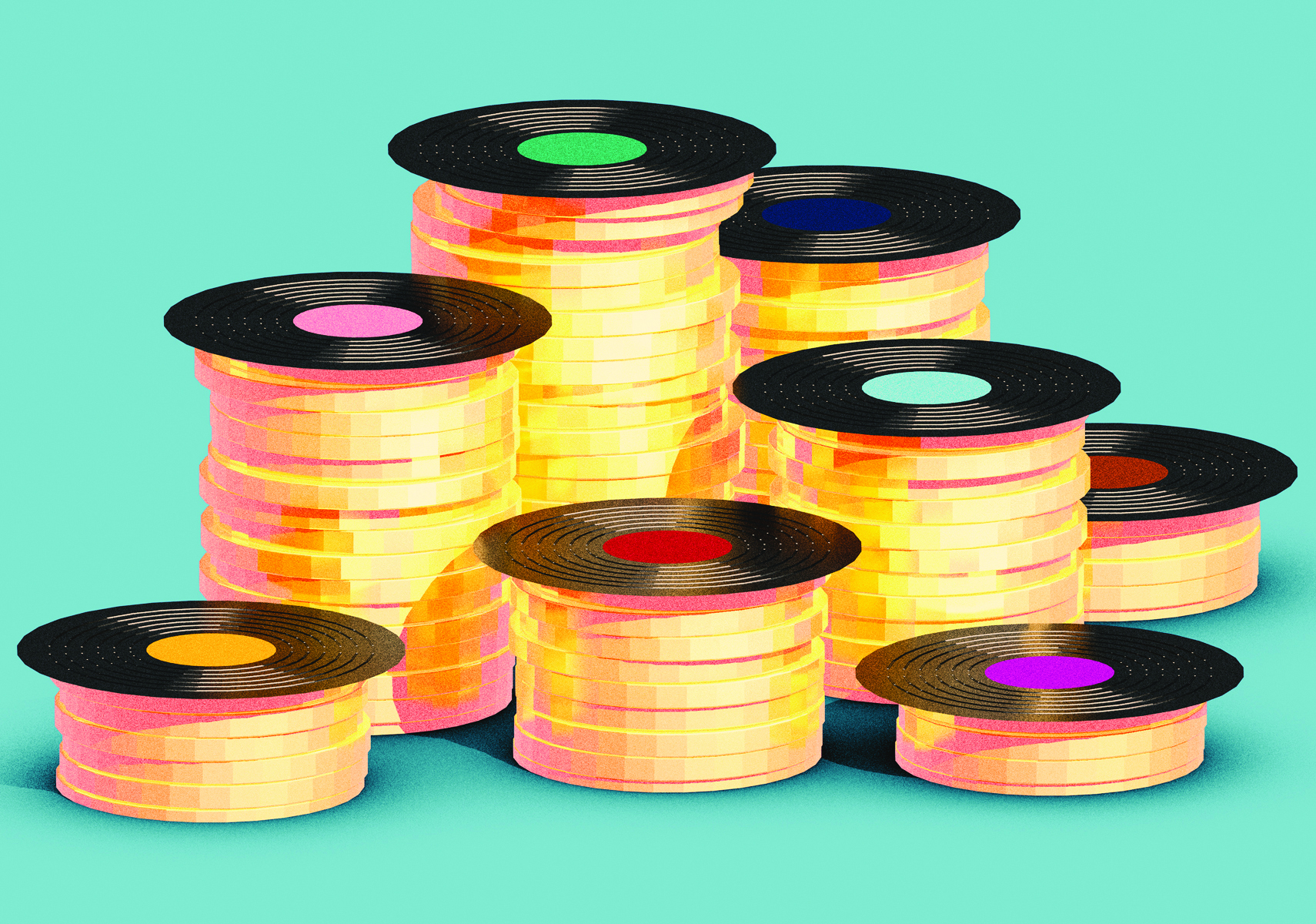
The music industry is constantly evolving, with new trends and technologies shaping the way we consume and value music. In this ever-changing landscape, it is crucial to have a reliable and accurate way to determine the worth of music and entertainment assets. This is where the music and entertainment valuation group comes in, providing valuable insights and expertise to help navigate this complex market.
According to Barry Massarsky and Jake DeVries, two leading experts in the field, the valuation multiples for music and entertainment assets have remained steady for the third consecutive year. This is great news for the industry, as it shows stability and consistency in the market.
Massarsky and DeVries have been closely monitoring the valuation trends in the music and entertainment industry for years, and their latest report reveals some interesting findings. One of the most notable trends is the increasing demand for music from the 2000s. This era, which saw the rise of digital music and the decline of physical sales, has now become a hot commodity in the market.
So, what exactly does this mean for the music and entertainment industry? Let’s take a closer look.
Firstly, the steady valuation multiples indicate a healthy and stable market for music and entertainment assets. This is good news for both buyers and sellers, as it provides a reliable benchmark for determining the value of these assets. It also shows that the industry is adapting well to the changing landscape and is able to maintain its value despite the challenges it has faced in recent years.
The increasing demand for music from the 2000s is a significant development in the market. This era saw the emergence of digital music platforms such as iTunes and Spotify, which revolutionized the way we consume music. As a result, there is now a huge catalog of music from the 2000s that is readily available for streaming and downloading. This has created a new market for these assets, with buyers willing to pay top dollar for the rights to these songs.
But why is music from the 2000s so popular? Massarsky and DeVries attribute this to the nostalgia factor. The 2000s were a pivotal time for many people, and the music from this era holds a special place in their hearts. It brings back memories of their youth and has a strong emotional connection. This makes it a valuable asset for both buyers and sellers.
In addition, the rise of social media and streaming services has made it easier for music from the 2000s to reach a wider audience. This has created a demand for these songs, not just from the original fans, but also from a new generation of listeners who are discovering this music for the first time.
The increasing demand for music from the 2000s is also a reflection of the changing dynamics in the music industry. With the decline of physical sales, artists and record labels are relying more on streaming and licensing deals for revenue. This has made it crucial for them to have a strong catalog of music, and the songs from the 2000s are a valuable addition to their portfolio.
Overall, the findings from the music and entertainment valuation group’s report are a positive sign for the industry. The steady valuation multiples and the increasing demand for music from the 2000s show that the market is thriving and adapting to the changing landscape. This is a testament to the resilience and creativity of the music and entertainment industry.
In conclusion, the music and entertainment valuation group’s report provides valuable insights into the current state of the market. The steady valuation multiples and the popularity of music from the 2000s are encouraging signs for the industry. It is an exciting time for music and entertainment, and we can’t wait to see what the future holds.
