
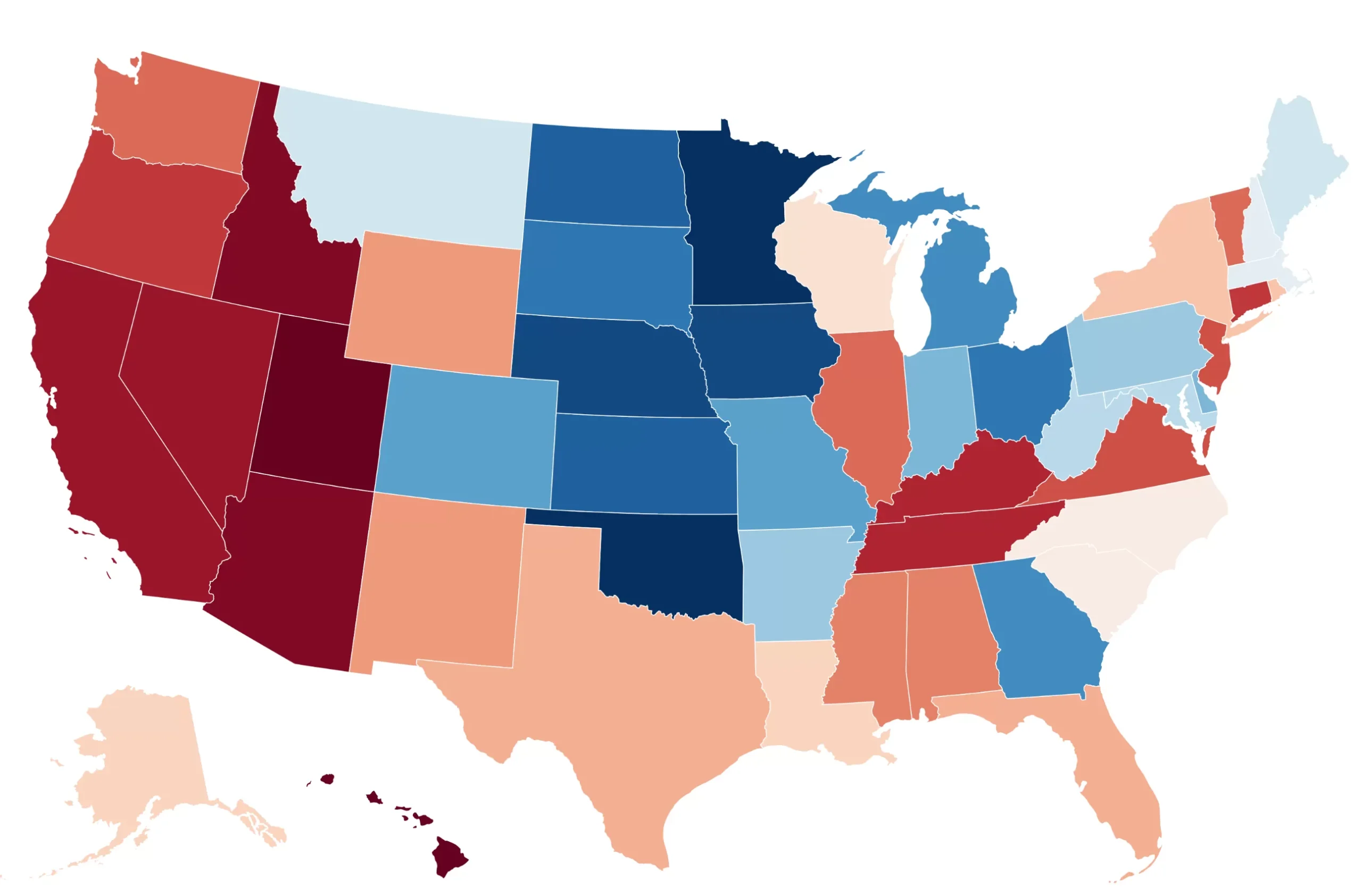
Nationwide Gas Prices Soar as War with Iran Continues, But There is Hope on the Horizon
Since the beginning of the war with Iran on February 28, gas prices across the nation have skyrocketed to an average of over $4 per gallon. This shocking increase has left many Americans feeling anxious and concerned about the impact on their wallets. But amidst the turmoil, there is a glimmer of hope as experts predict that the situation may soon improve.
According to data from AAA, the national average for a gallon of gas has jumped by almost $1 since the start of the conflict. This significant increase has been felt in all states, with some even reporting prices above $5 per gallon. This has put a strain on the budgets of many individuals and families, especially those who rely heavily on their vehicles for transportation.
The main reason for this surge in gas prices is the ongoing tension between the United States and Iran. The recent attacks on US military bases in Iraq and the subsequent retaliatory strike by the US have caused instability in the oil market, leading to a rise in prices. Iran is a major oil producer and any disruption in their production has a direct impact on global oil prices.
But while the situation may seem dire at the moment, there is hope on the horizon. The United States has shown a willingness to de-escalate the conflict and both sides have expressed a desire to avoid further military action. This has eased tensions and resulted in a drop in oil prices over the past few days.
In addition, OPEC (Organization of the Petroleum Exporting Countries) has assured that they will step in to stabilize the oil market if necessary. They have also stated that they are closely monitoring the situation and will take appropriate actions to ensure that there is no shortage of oil supply.
Furthermore, the US is also ramping up its domestic oil production. With advances in technology, the US has become the world’s leading producer of oil, surpassing both Saudi Arabia and Russia. This increase in domestic production can help to offset any potential shortage in global oil supply.
While it may take some time for the effects of these measures to trickle down to the gas pumps, we can expect to see a gradual decrease in prices over the coming weeks. This will bring much-needed relief to consumers and ease the burden on their wallets.
It’s also important to note that the current gas prices, while high, are still lower than what we have experienced in the past. In 2008, gas prices reached a record high of $4.11 per gallon, and in 2014, they were at an average of $3.70 per gallon. This serves as a reminder that the current situation, while challenging, is not unprecedented.
Moreover, there are steps that individuals can take to help reduce their gas consumption and save money. Simple measures like carpooling, using public transportation, or even walking or biking for shorter distances can make a significant impact. It not only helps to conserve gas but also benefits the environment.
In conclusion, the spike in gas prices since the start of the war with Iran is certainly concerning, but there are indications that the situation may soon improve. The US and Iran are taking steps to de-escalate the conflict and OPEC is ready to step in if needed. With the US ramping up its domestic production, we can expect to see a gradual decrease in prices in the near future. And as individuals, we can also do our part to save gas and reduce our expenses. So let’s remain positive and hope for a peaceful resolution to this crisis.
