
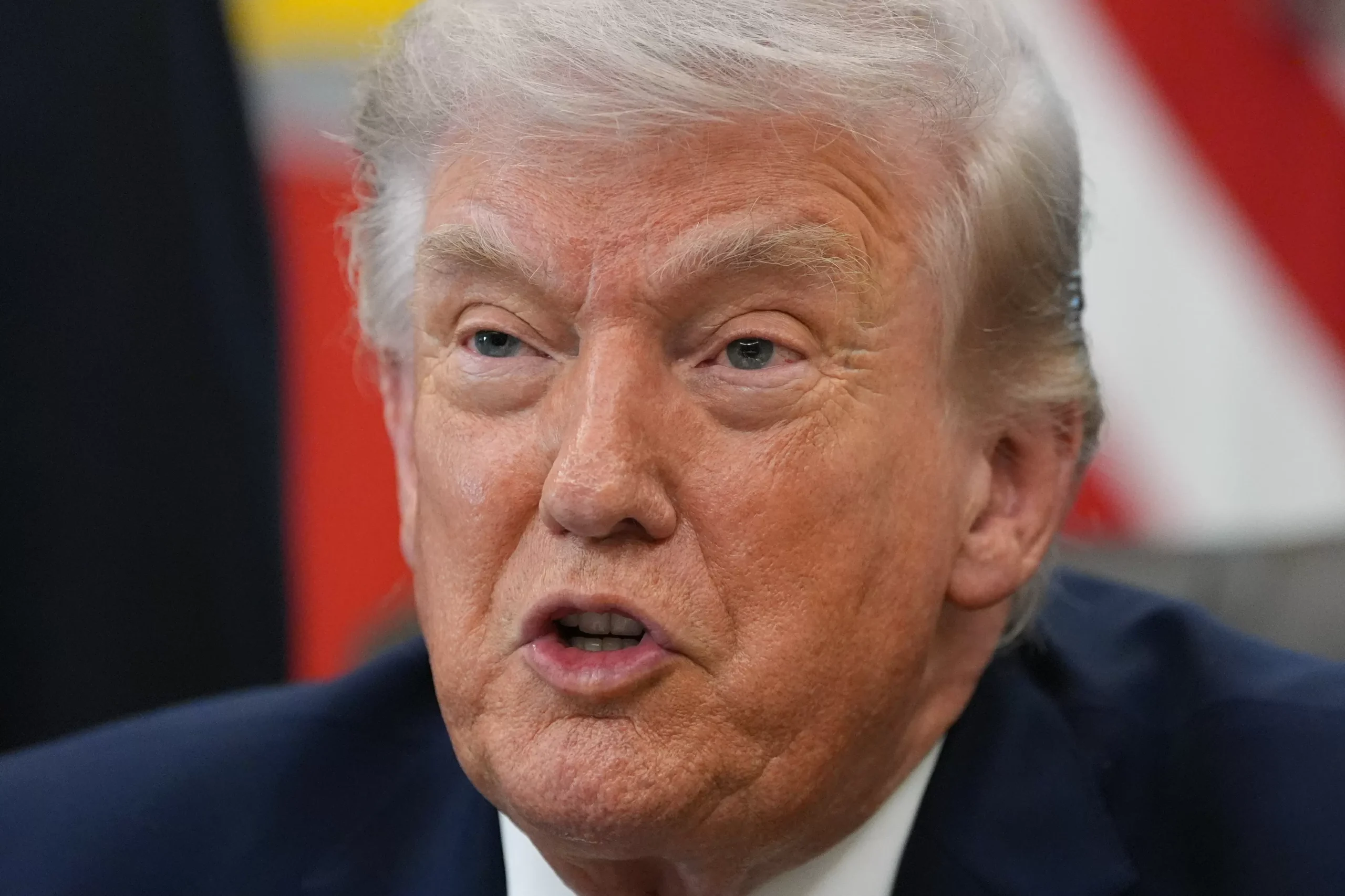
In a recent statement, President Donald Trump claimed that the United States has not yet begun to destroy what remains of Iran. This statement has caused quite a stir both domestically and internationally, with many questioning its validity and implications. While some may view this as a threat or a sign of aggression, it is important to analyze the context and implications of these words.
During a rally in Pennsylvania, President Trump addressed the crowd and made the remark, “We haven’t even started destroying what’s left in Iran.” This statement was met with applause and cheers from the audience, but has since sparked a debate among politicians and citizens alike. Some have interpreted this statement as a threat to Iran, while others argue that it is simply a statement of strength and determination.
It is no secret that the relationship between the United States and Iran has been tense in recent years. The two countries have been at odds over various issues, including Iran’s nuclear program and involvement in regional conflicts. President Trump’s administration has taken a hard stance against Iran, withdrawing from the Iran nuclear deal and imposing sanctions on the country. This has led to increased tensions and heightened rhetoric between the two nations.
So, what exactly did President Trump mean by saying that the United States has not yet started destroying what’s left in Iran? Some have speculated that he was referring to the sanctions and economic pressure that the U.S. has placed on Iran. These sanctions have undoubtedly had a significant impact on Iran’s economy, causing inflation and a decrease in oil exports. However, others argue that the statement could be interpreted as a warning of potential military action against Iran.
It is important to note that President Trump has been a vocal critic of the Iran nuclear deal, which was negotiated by the Obama administration. He has repeatedly stated that the deal was a “disaster” and that Iran was not living up to its end of the agreement. By withdrawing from the deal and imposing sanctions, the U.S. is sending a strong message to Iran that it will not tolerate any actions that threaten its national security.
However, it is also worth considering that President Trump’s words may have been a strategic move to gain leverage in negotiations with Iran. By making such a bold statement, he may be trying to show strength and determination in the face of Iran’s defiance. This could potentially push Iran to come back to the negotiating table and make a new deal with the U.S.
Regardless of the interpretation, one thing is clear: President Trump’s words have caused a stir and raised concerns about the future of the U.S.-Iran relationship. Some experts argue that such rhetoric may escalate tensions and potentially lead to a military confrontation, while others believe it is simply a negotiation tactic.
In the end, it is important to remember that words have consequences, especially when they come from the leader of a powerful nation. While some may view President Trump’s statement as a sign of strength and determination, others may see it as a reckless threat. As tensions continue to rise between the U.S. and Iran, it is crucial for all parties involved to act with caution and consider the potential consequences of their words and actions.
In conclusion, President Trump’s statement about not yet destroying what is left in Iran has sparked a debate and raised concerns about the future of the U.S.-Iran relationship. It is important for all parties involved to approach this situation with caution and strive for a peaceful resolution. Only through open communication and diplomacy can we hope to find a lasting solution to the issues between these two nations.
