
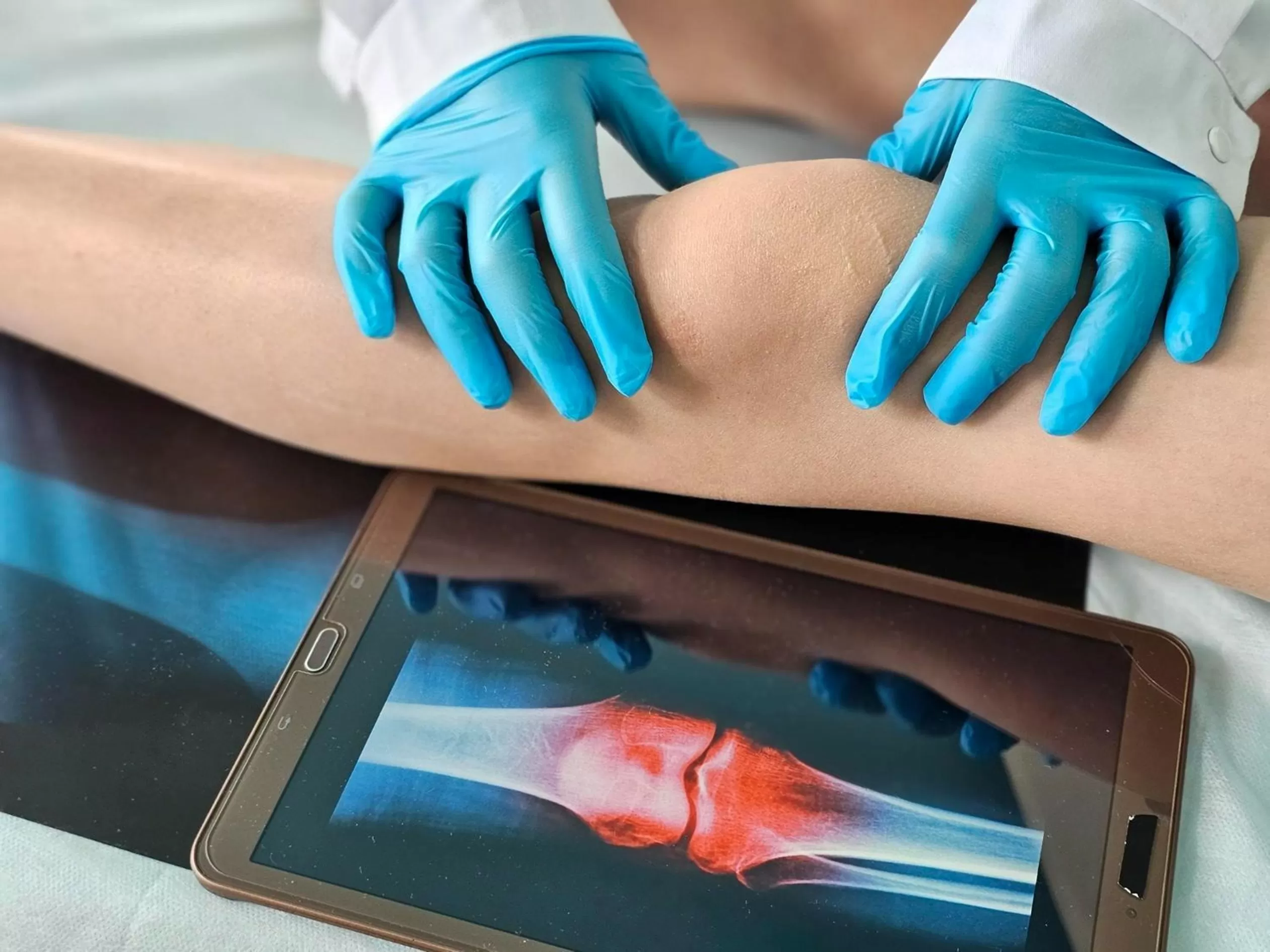
Tissue repair is a complex and fascinating process that occurs in our bodies every day. From a simple paper cut to a more severe injury, our bodies have the amazing ability to heal and regenerate damaged tissue. However, this process is not a simple one. It involves a coordinated response from our bodies, including inflammation, cellular signaling, and gradual rebuilding. Understanding how this process unfolds can provide valuable insight into why recovery takes time and why it does not always follow a predictable path.
When we experience an injury, the first response from our body is inflammation. This natural defense mechanism is often seen as a negative reaction, but it is actually a crucial step in the tissue repair process. Inflammation helps to protect the injured area from further damage by restricting movement and increasing blood flow to the area. This rush of blood brings with it important cells and proteins that are essential for tissue repair.
The next step in tissue repair is cellular signaling. This involves a complex communication system between cells, which helps to coordinate their actions and bring about the necessary changes for healing. Certain cells, such as white blood cells and platelets, release growth factors and other signaling molecules that stimulate the repair process. These molecules act as messengers, sending signals to other cells in the area to start the rebuilding process.
As the signaling process continues, the damaged tissue begins to rebuild itself. This is where the gradual rebuilding stage comes into play. The body starts to produce new cells and tissues to replace the damaged ones. This process can take some time, depending on the severity of the injury. For minor injuries, the rebuilding process can occur relatively quickly, while more severe injuries may take weeks or even months to heal completely.
One of the most interesting aspects of tissue repair is that it is not a one-size-fits-all process. It can vary greatly from person to person and even from injury to injury. This is because each individual’s body responds differently to injury, and the healing process can be influenced by various factors such as age, overall health, and the type of injury. This is why recovery time can vary greatly, and it is important not to compare your healing process to others.
Another important factor to consider is that tissue repair is not a linear process. It does not follow a predictable path, and setbacks can occur. This is especially true for more complex injuries, such as fractures or torn ligaments. Sometimes, the body may need to restart the repair process, which can prolong healing time. It is essential to listen to your body and give it the time and care it needs to heal properly.
It is also important to note that tissue repair is not just a physical process; it also involves a psychological aspect. Dealing with an injury can be emotionally challenging, and it is essential to take care of your mental well-being during this time. Be patient with yourself, and do not push too hard to get back to your normal activities before your body is ready. Remember that recovery takes time, and it is a journey that should not be rushed.
In conclusion, tissue repair is a complex and coordinated response that involves inflammation, cellular signaling, and gradual rebuilding. It is a fascinating process that highlights the incredible abilities of our bodies to heal and regenerate. However, it is not a single event, and it does not always follow a predictable path. Understanding this process can provide valuable insight into why recovery takes time and why it varies from person to person. So, the next time you experience an injury, remember to be patient and trust in your body’s amazing ability to heal itself.
