
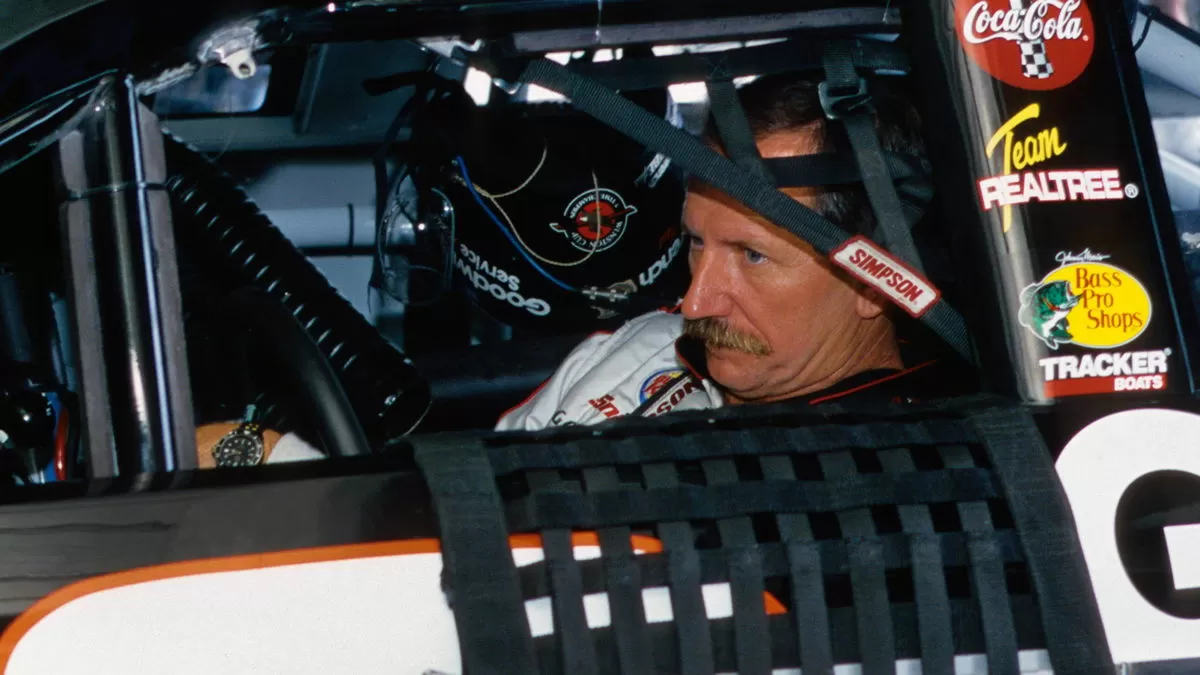
On February 18, 2001, the world of NASCAR was forever changed when Dale Earnhardt, one of the greatest drivers in the sport’s history, tragically lost his life at the Daytona 500. The news sent shockwaves through the racing community and left fans devastated. But as time passed, it became clear that the events of that day would also lead to significant and necessary changes in NASCAR.
Earnhardt’s final lap at the Daytona 500 was marked by intense racing and high speeds. As he fought for position, he made contact with Sterling Marlin, causing his car to veer sharply to the right and slam head-on into the outside retaining wall at speeds of over 170 mph. It was a devastating accident that would claim the life of a racing legend.
Years later, as the NASCAR community reflects on that tragic day, it’s clear that the impact of Earnhardt’s death went far beyond the racing world. In a recent interview, Mike Helton, NASCAR’s president at the time of the accident, opened up about how the tragedy forced the sport to confront some of its biggest issues.
“We were forced to take a hard look at ourselves and the sport we love,” Helton said. “The loss of Dale brought us face to face with our own demons and forced us to address them head-on.”
One of the biggest changes to come out of the tragedy was the implementation of new safety measures. The death of Earnhardt was a wake-up call for NASCAR, and it was clear that something needed to be done to prevent similar accidents in the future. As a result, extensive research was conducted, and significant improvements were made to cars, tracks, and safety equipment.
One of the most significant changes was the introduction of the Head and Neck Support (HANS) device, a restraint system that helps prevent head and neck injuries in the event of a crash. NASCAR also mandated the use of energy-absorbing foam barriers, known as SAFER barriers, at all tracks to reduce the impact of crashes. And stricter regulations were put in place for seatbelts, helmets, and other safety equipment.
These changes have significantly improved the safety of drivers and have helped prevent serious injuries and fatalities in the years since Earnhardt’s death. But it’s not just safety measures that have changed in NASCAR. The tragedy also prompted a significant shift in the sport’s culture.
“We had to take a hard look at our driver code of conduct and make sure that we were holding everyone accountable for their actions,” Helton explained. “We wanted to create a safer, more respectful environment for everyone involved in the sport.”
NASCAR has taken steps to not only improve safety but also to promote a more inclusive and diverse environment. In recent years, the sport has implemented programs such as Drive for Diversity, which provides opportunities for women and minority drivers, and the NASCAR Green initiative, which focuses on making the sport more environmentally friendly.
While the changes brought about by the tragedy of Earnhardt’s death were necessary, they were not without their challenges. The implementation of new safety measures and the overhaul of the sport’s culture required time, effort, and a significant financial investment. But Helton believes that these changes have ultimately made NASCAR a better and stronger organization.
“We had to make tough decisions, and we faced a lot of criticism, but it was all worth it,” he said. “We have become a safer, more responsible, and more inclusive sport because of it.”
Looking back on that fateful day in February 2001, it’s clear that the loss of Dale Earnhardt brought about significant changes in NASCAR. The tragedy was a catalyst for progress, forcing the sport to confront its problems and make necessary improvements. And while we will always mourn the loss of one of racing’s greatest icons, we can also take solace in the fact that his legacy continues to inspire positive change in the sport he loved.
