
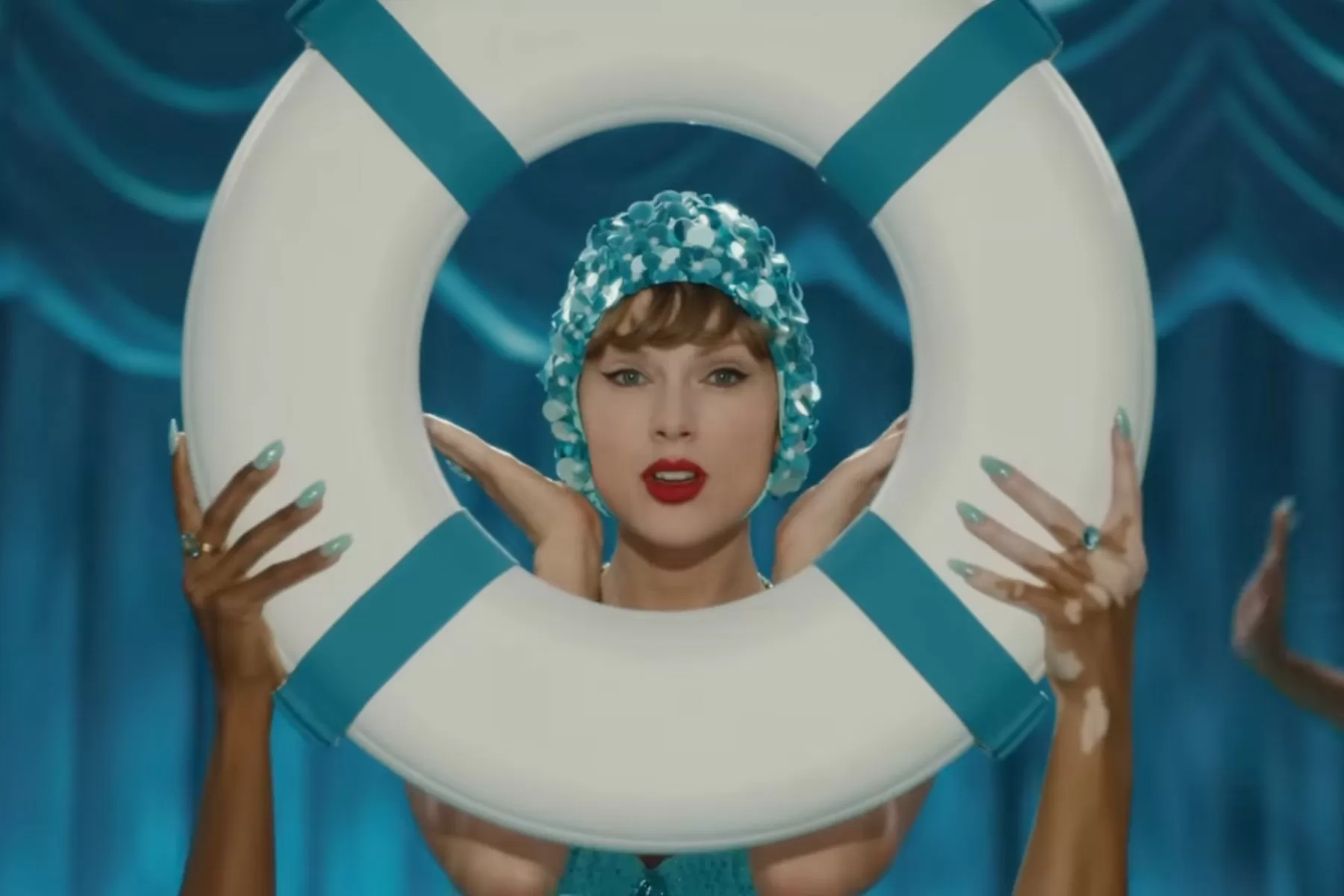
In the age of YouTube and TikTok, it’s easy to assume that music videos have lost their relevance. After all, with the quick and constant consumption of content, it’s hard to imagine anyone sitting down to watch a full-length music video anymore. However, despite the ever-changing landscape of the music industry, videos still hold immense value. They may not hold the same level of superstar-worthy budgets, but their impact and importance are undeniable.
Since the advent of MTV in the 1980s, music videos have played a crucial role in the success of artists. With the rise of the channel and its influence on popular culture, music videos became an essential promotional tool for musicians. Artists spent exorbitant amounts of money on high-quality music videos with elaborate sets, visually stunning effects, and celebrity cameos. These videos became much more than just a way to promote a song; they became a form of art and a reflection of the artist’s image.
Fast forward to the present, and things have changed drastically. The rise of digital platforms has made it easier for artists to release their music videos without having to rely on the traditional model of television broadcasting. This has opened up opportunities for more independent artists to showcase their creativity and talent through low-budget music videos. However, with the ease of distribution comes the challenge of standing out in a sea of content.
In the post-MTV era, where music videos are no longer a novelty but a common occurrence, it has become harder to justify spending large amounts of money on them. This is especially true for superstar-level budgets, as the return on investment may not be as significant as it used to be. With social media and streaming platforms dictating the trends and driving the industry, it’s no longer enough to have a visually stunning music video. It needs to have a strong and unique concept that resonates with the audience.
Despite this shift, music videos still hold immense value. They provide a visual representation of the artist’s brand and showcase their creativity and artistry. In fact, music videos are often the first introduction to an artist for many people. With the attention span of audiences getting shorter, a well-made music video can capture their interest and leave a lasting impression. This is especially important for new and emerging artists who are trying to break into the industry.
Moreover, music videos hold the power to bring songs to life in a way that no other medium can. They have the ability to enhance the emotional impact of a song and create a connection with the listener. For example, who can forget the iconic dance scenes in Michael Jackson’s “Thriller” or the cinematic masterpiece that is Beyoncé’s “Lemonade”? These videos not only elevated the songs to a whole new level but also solidified the artists’ status as legends.
Furthermore, with the rise of social media and viral content, music videos have the potential to reach a global audience in a matter of hours. The music video for Luis Fonsi’s “Despacito” featuring Daddy Yankee became the first video to reach 6 billion views on YouTube. This opened up opportunities for artists to break into international markets and reach audiences they may not have been able to target otherwise.
But perhaps the most significant value of music videos is their ability to create a visual representation of a song that can be enjoyed for years to come. Long gone are the days when music videos were only aired for a short period of time on TV. With the internet, music videos have become timeless, and they can be appreciated and enjoyed by fans for years after their release. They also serve as a nostalgic reminder of a particular time or era in music.
In conclusion, while it may be harder to justify superstar-level budgets for music videos in the post-MTV age, their value and importance cannot be denied. They may not hold the same level of influence and impact as they once did, but they still play a crucial role in the success of artists and their music. With technology constantly evolving and shaping the music industry, music videos will continue to evolve and adapt, proving their worth and value in the ever-changing landscape of the music world. And for that, we should be grateful and continue to support and appreciate the art of music videos.
