
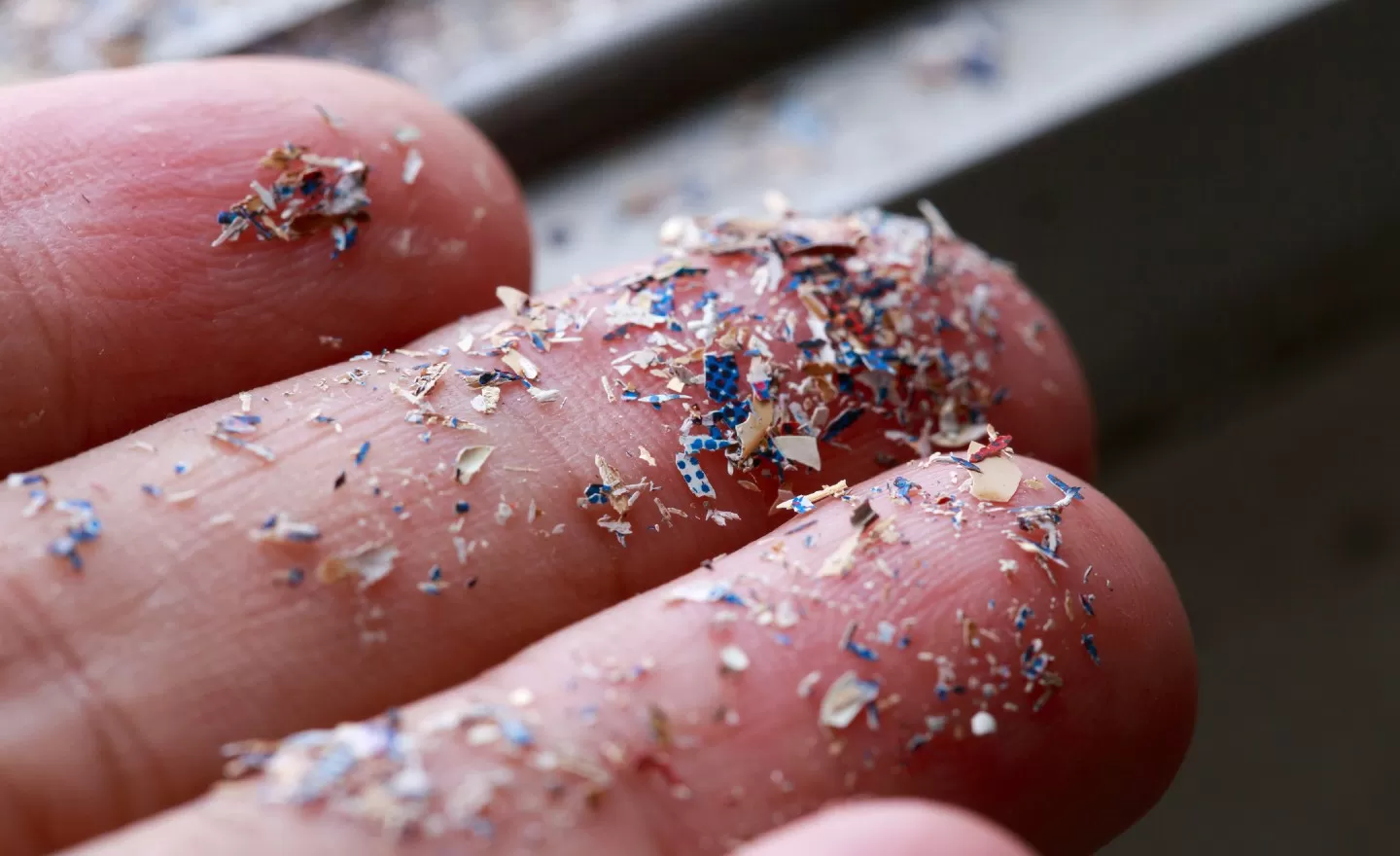
The Environmental Protection Agency (EPA) has announced plans to propose a study on microplastics and pharmaceuticals in our drinking water. This could potentially lead to the establishment of limits for these substances, making it a significant step towards ensuring the safety of our water supply. The move has been hailed as a victory for the Make America Healthy Again (MAHA) movement, a group of voters who have been advocating for stricter regulations on chemicals in our environment.
The issue of microplastics and pharmaceuticals in our water has been a growing concern for many years. Microplastics, tiny pieces of plastic that are less than 5 millimeters in size, have been found in alarming amounts in our oceans, rivers, and even tap water. These particles come from a variety of sources, including plastic waste, cosmetics, and clothing. They pose a threat to marine life and can also make their way into our food chain, potentially causing harm to human health.
Similarly, pharmaceuticals, including prescription drugs and over-the-counter medications, have been detected in our water supply. These substances can enter our waterways through improper disposal or by being excreted by humans and animals. While the levels of these drugs may be low, there is still concern about the long-term effects on human health and the environment.
The EPA’s decision to study these substances in our drinking water is a significant step towards addressing these concerns. The agency plans to gather data on the presence of microplastics and pharmaceuticals in our water and assess any potential risks they may pose. This information will then be used to determine if limits need to be set for these substances in our drinking water.
The Trump administration has been quick to tout this move as a win for the MAHA movement. This group of voters has been vocal about their concerns regarding the use of chemicals in our environment and the potential impact on public health. By taking action on microplastics and pharmaceuticals, the EPA is showing its commitment to addressing these concerns and protecting the health of Americans.
This announcement has been met with praise from environmental groups and health advocates. They see it as a positive step towards ensuring the safety of our water supply and protecting the well-being of our communities. The EPA’s decision to study these substances is a clear indication that the agency is taking the health and safety of Americans seriously.
However, there are also skeptics who question the motives behind this move. Some believe that the Trump administration is using this as a way to gain support from the MAHA movement and distract from other environmental issues that have been neglected. They argue that the administration has a history of rolling back environmental regulations and this move may be seen as a way to appease voters without actually taking meaningful action.
Despite these concerns, the EPA’s decision to study microplastics and pharmaceuticals in our drinking water is a positive step forward. It shows that the agency is willing to listen to the concerns of the public and take action to address them. This move has the potential to not only protect our water supply but also restore trust in the EPA and its commitment to safeguarding the environment.
In conclusion, the EPA’s proposal to study microplastics and pharmaceuticals in our drinking water is a significant development in the fight for a healthier and safer America. It is a step towards addressing the concerns of the MAHA movement and ensuring the well-being of our communities. With this move, the EPA is showing its dedication to protecting the environment and the health of all Americans. Let us hope that this study leads to concrete actions that will make our water supply cleaner and safer for generations to come.
