
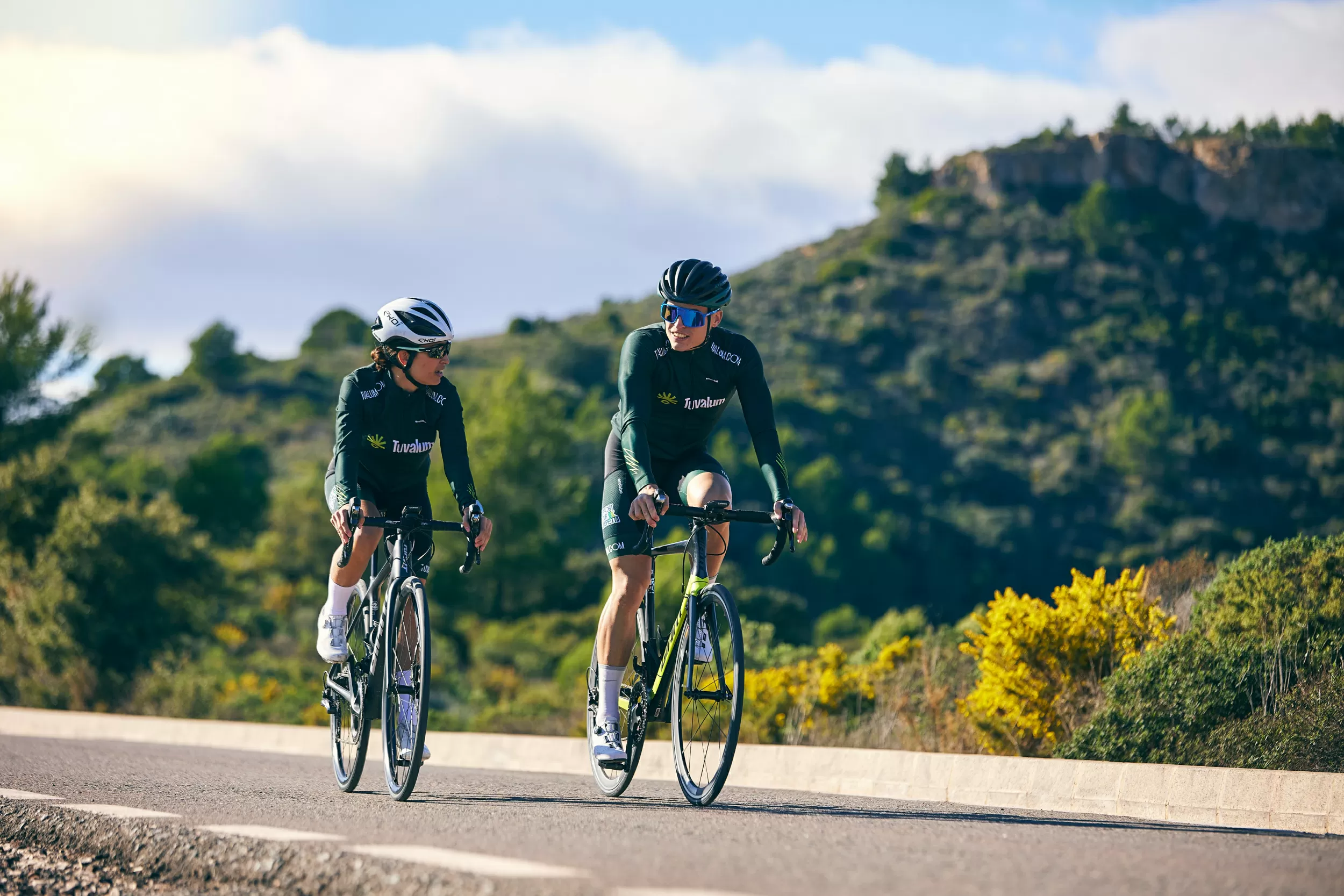
Cycling is a fantastic sport that not only provides a great cardio workout, but also allows you to explore new places and connect with nature. Whether you are a beginner or an experienced rider, incorporating the right training techniques and nutrition is crucial for improving your performance and achieving your long-distance cycling goals. In this bike fitness guide, we will cover the key elements of aerobic base building, cycling cadence, and endurance nutrition to help you reach your full potential on the saddle.
Aerobic base building is the foundation of any successful cycling training program. It involves gradually increasing your cardiovascular fitness through long, steady rides at a moderate intensity. This type of training helps to improve your endurance, making it easier for you to sustain longer rides without feeling fatigued. To build your aerobic base, start by incorporating longer rides into your training schedule, gradually increasing the duration and intensity as your fitness improves. Aim for at least three to four rides per week, with one long ride on the weekends. Don’t be afraid to push yourself, but also listen to your body and take rest days when needed.
Another important aspect of cycling is maintaining a proper cadence. Cadence refers to the number of pedal revolutions per minute (rpm). A higher cadence, typically between 80-100 rpm, is recommended for long-distance cycling as it helps to conserve energy and reduce strain on the muscles. To improve your cadence, focus on spinning the pedals smoothly and efficiently rather than pushing hard on each stroke. It may take some time to get used to, but with practice, you will find that a higher cadence will make your rides more enjoyable and less tiring.
In addition to training, proper nutrition is key for long-distance cycling performance and recovery. Before a ride, make sure to fuel your body with a balanced meal that includes complex carbohydrates, lean protein, and healthy fats. This will provide you with sustained energy and prevent you from feeling sluggish during your ride. During your ride, aim to consume 30-60 grams of carbohydrates per hour to maintain your energy levels. This can be in the form of energy gels, bars, or sports drinks. It is also important to stay hydrated by drinking water regularly throughout your ride.
After a long ride, your body needs proper nutrition to recover and repair the muscles. Within 30 minutes of completing your ride, consume a balanced meal that includes protein to help repair muscle tissue and carbohydrates to replenish your glycogen stores. This will help to prevent muscle soreness and fatigue, allowing you to bounce back quicker for your next ride. It is also beneficial to include some anti-inflammatory foods in your post-ride meal, such as turmeric, ginger, or tart cherry juice, to aid in muscle recovery.
Apart from proper nutrition, rest and recovery are also crucial for long-distance cycling performance. Make sure to listen to your body and take rest days when needed. This will allow your muscles to repair and strengthen, ultimately improving your overall performance. Incorporating active recovery, such as light cycling, stretching, or foam rolling, can also help to prevent muscle tightness and soreness.
In addition to training and nutrition, it is important to have the right gear for long-distance cycling. A well-fitted bike and comfortable cycling attire can make a huge difference in your performance and overall enjoyment. Make sure to invest in a good pair of cycling shorts with a padded chamois to prevent saddle sores and discomfort. It is also important to wear a helmet and use lights and reflectors for safety, especially when riding in low light conditions.
Lastly, remember to have fun and enjoy the journey. Long-distance cycling can be challenging, but the sense of accomplishment and the beautiful scenery you will encounter along the way make it all worth it. Set realistic goals and be patient with your progress. With consistent training, proper nutrition, and rest, you will see improvements in your performance and reach your long-distance cycling goals.
In conclusion, building a strong aerobic base, maintaining a proper cadence, and fueling your body with the right nutrition are essential for long-distance cycling performance and recovery. Remember to listen to your body, invest in the right gear, and have fun on your rides. With dedication and determination, you can achieve your cycling goals and take your performance to the next level. So hop on your bike, pedal away, and enjoy the ride!
