
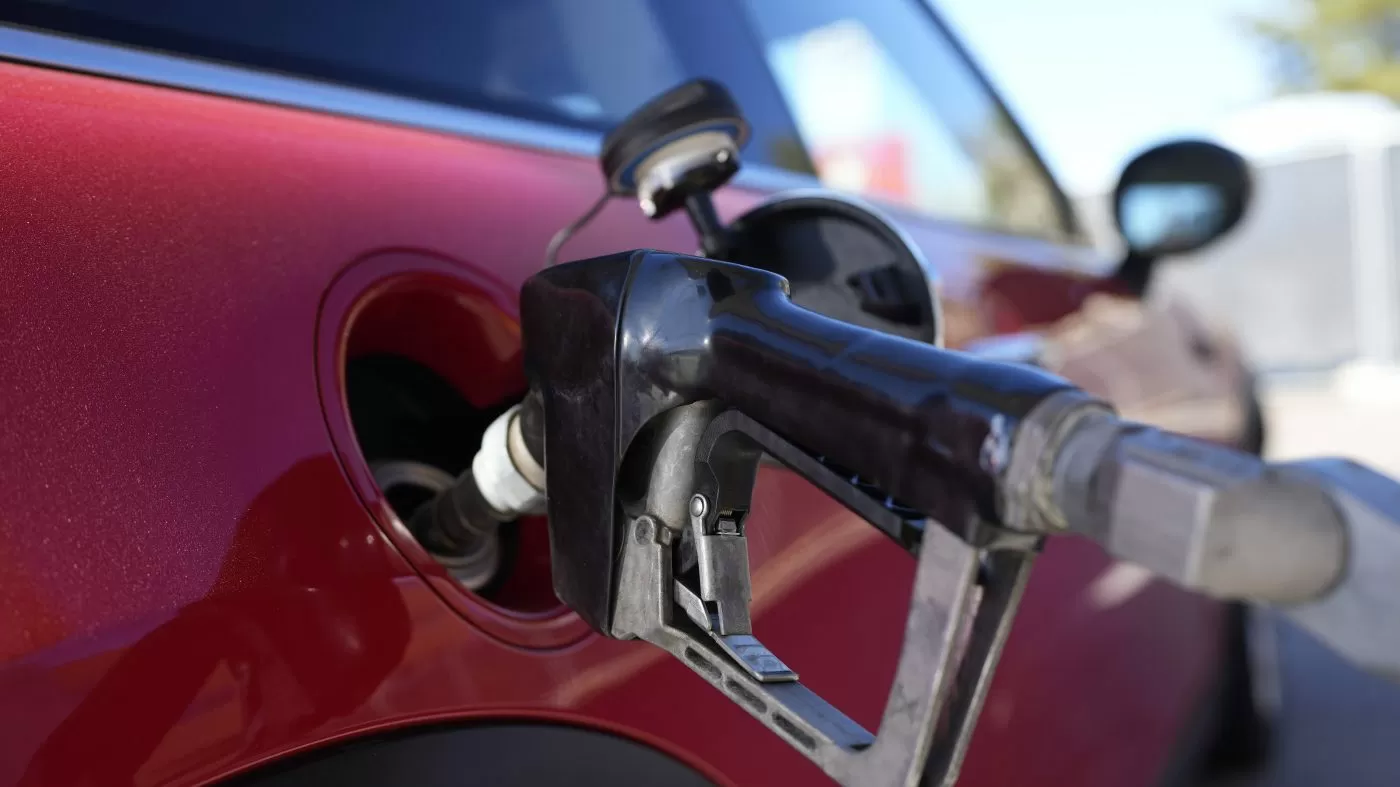
Gas prices have been a hot topic in recent years, with soaring prices causing frustration and financial strain for many. And while you may have noticed that gas prices vary from state to state, the difference may have never been more apparent than now. In California, gas prices have reached nearly $6 per gallon, while in Oklahoma, prices are a much more reasonable $3.27. So why such a drastic difference? Let’s break it down.
The first factor to consider is the cost of crude oil. Crude oil is the main component in gasoline and its price can fluctuate greatly. In California, the cost of crude oil is higher due to supply and demand. The state relies heavily on oil imports, especially from foreign countries, which drives up the cost. In addition, California has strict environmental regulations, which require a special blend of gasoline that is more expensive to produce. This special blend is meant to reduce emissions, but it comes at a higher cost to consumers.
On the other hand, Oklahoma has a more favorable situation when it comes to crude oil. The state is one of the top oil-producing states in the country, meaning they have a greater supply of crude oil. This supply helps keep the cost of gas lower. Additionally, Oklahoma does not have the same strict environmental regulations as California, so the cost of producing gasoline is lower.
Another key factor in the varying gas prices is state taxes. Each state sets its own gas tax, which is added to the price of gas at the pump. In California, the state tax is over $0.50 per gallon, while in Oklahoma, it is just over $0.19 per gallon. This significant difference in taxes contributes greatly to the price difference between the two states.
It’s also important to consider the overall cost of living in each state. California has a much higher cost of living compared to Oklahoma, which means that gas stations in the state need to charge more to cover their expenses. They also have higher operating costs due to stricter regulations and environmental requirements. In Oklahoma, the cost of living is lower, so gas stations can afford to charge less for gas.
Additionally, location plays a role in gas prices. California is further from the Gulf Coast, where most refineries are located, so it costs more to transport the gasoline to the state. In contrast, Oklahoma is closer to these refineries, making transportation costs lower. This also contributes to the different gas prices between the two states.
It’s important to note that gas prices can also vary within the same state. In California, gas prices can differ by as much as $1.50 per gallon between cities. This can be due to local taxes, competition between gas stations, and proximity to refineries. Similarly, in Oklahoma, gas prices can vary by $0.30 per gallon between cities.
So what can consumers do about these varying gas prices? Unfortunately, not much. The cost of crude oil, state taxes, and other factors are out of our control. However, there are ways to save on gas, regardless of where you live. One option is to carpool or use public transportation whenever possible. This not only helps reduce gas consumption, but it also cuts down on the wear and tear of your vehicle. Another option is to use gas price comparison websites and apps to find the cheapest gas in your area. And of course, driving more fuel-efficient vehicles can also help save money on gas in the long run.
In conclusion, as frustrating as it may be to see gas prices vary so much by state, there are valid reasons behind it. Factors such as the cost of crude oil, state taxes, cost of living, and location all play a role in determining gas prices. While we may not have control over these factors, there are ways to save on gas and be mindful of our consumption. So the next time you fill up your tank, remember that gas prices are not just dependent on the cost of gas itself, but also a variety of other factors.
