
Money, Not Just Talent, Dictates the Top Tier of Women’s College Basketball: Coaches Speak Out
Women’s college basketball has come a long way in terms of popularity and recognition in recent years. The sport has seen a surge in talent and competition, with more and more young women choosing to pursue their dreams on the court. However, behind the glitz and glamour of the game, there is a harsh reality that many coaches are finally starting to speak out about – the growing spending gap in women’s basketball.
On paper, women’s college basketball looks deeper than ever before. With talented players, dedicated coaches, and passionate fans, the sport seems to be thriving. But when it comes to competing for championships, the same programs keep showing up. And the reason behind this is simple – money.
In the world of college sports, money plays a significant role in determining a team’s success. And unfortunately, women’s basketball is no exception. The top programs in the country have the resources and financial backing to recruit the best players, provide top-notch facilities, and offer attractive incentives to their coaches. As a result, these programs dominate the sport, leaving little room for other teams to break into the top tier.
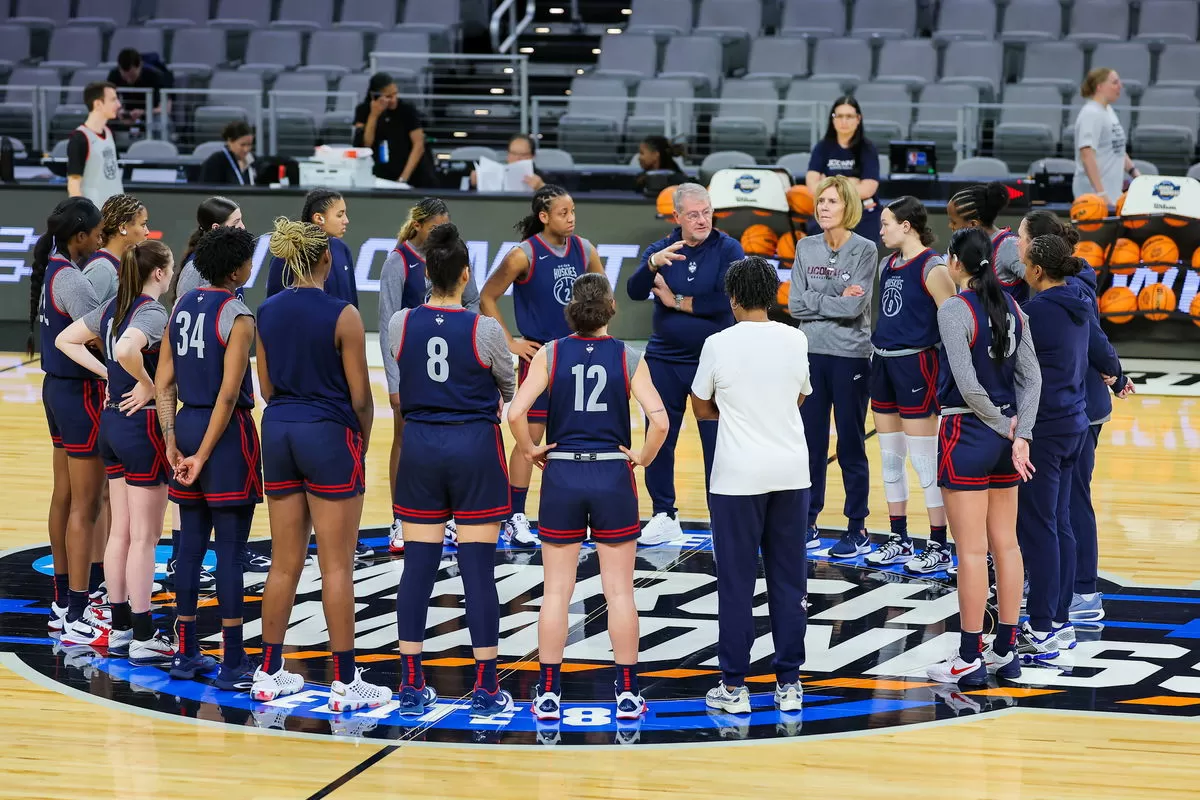
Coaches across the country have been silently struggling with this issue for years. But now, they are finally breaking their silence and calling for more resources to level the playing field. In an interview with EssentiallySports, University of Connecticut women’s basketball coach Geno Auriemma said, “It’s not just about having a talented player on your team; it’s about having the resources to support that player and give her the best chance to succeed.”
Auriemma’s sentiments are echoed by many other coaches, who believe that the spending gap in women’s basketball is hindering the growth and development of the sport. With limited resources, smaller programs are unable to compete with the top teams, leading to a lack of diversity in the sport. This not only affects the overall competitiveness of women’s basketball but also limits the opportunities for players from smaller schools to showcase their talent on a national stage.
The spending gap is also reflected in the salaries of women’s basketball coaches. While top coaches in men’s basketball can earn millions of dollars, the highest-paid women’s basketball coach, Dawn Staley of the University of South Carolina, earns just over $1 million. This stark difference in pay is a clear indication of the disparity in resources and support for women’s basketball.
But it’s not just about the money. Coaches are also calling for more recognition and respect for the women’s game. Despite the success and achievements of top women’s basketball programs, the sport still receives significantly less media coverage and attention compared to men’s basketball. This lack of exposure not only affects the growth of the sport but also makes it difficult for coaches to attract top talent to their programs.
The good news is that steps are being taken to address the spending gap in women’s basketball. The NCAA recently announced a $1 million grant to support women’s basketball programs at smaller schools. This is a positive step towards providing more resources and opportunities for these programs to compete at the highest level.
But more needs to be done. Coaches are calling for increased investment in women’s basketball, both at the collegiate and professional level. They believe that with more resources, the sport can continue to grow and reach new heights. And as a result, we will see a more diverse and competitive landscape in women’s college basketball.
In conclusion, money, not just talent, is now dictating the top tier of women’s college basketball. The spending gap in the sport is hindering its growth and limiting opportunities for players and coaches. But with coaches finally breaking their silence and calling for more resources, we can hope to see a more level playing field in the future. It’s time to give women’s basketball the recognition and support it deserves, and together, we can take the sport to new heights.
