
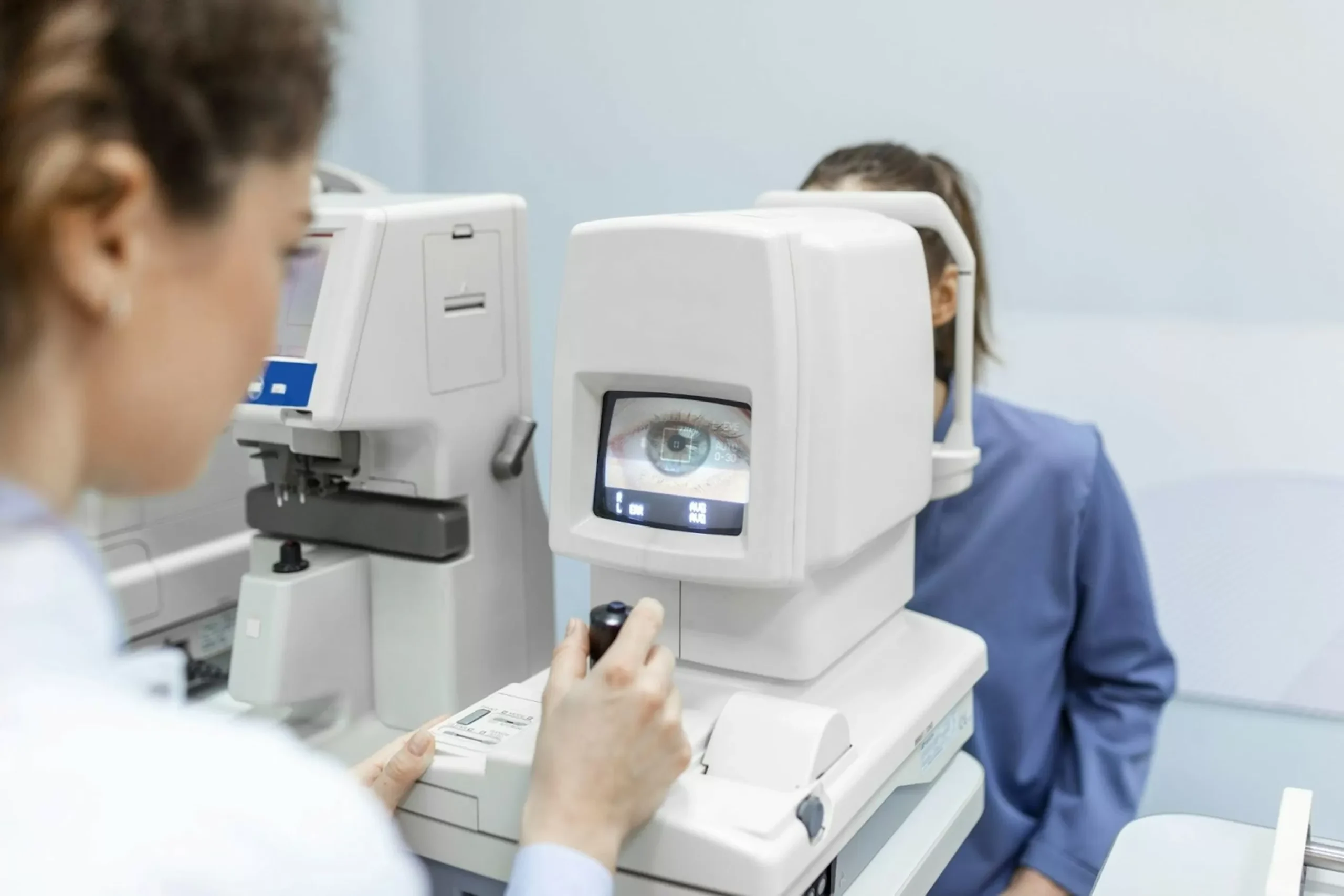
In the field of ophthalmology, early detection of eye diseases is crucial for successful treatment. The retina, a thin layer of tissue at the back of the eye, is responsible for capturing images and sending them to the brain for processing. Any changes or abnormalities in the retina can have a significant impact on vision and overall eye health. Traditional eye examinations have been the go-to method for detecting such changes, but with the advancements in technology, specialized equipment such as fundus cameras and scanning laser ophthalmoscopes are now being used to detect even the most subtle changes in the retina.
Melchert Eye Care, a leading eye care clinic, recognizes the importance of these digital tools in diagnosing and treating eye diseases. They note that while traditional examinations are still valuable, they often miss subtle changes that can be easily captured by digital equipment. This is where specialized equipment comes into play, providing clinicians with a more detailed and accurate assessment of the retina.
Fundus cameras are one of the most commonly used digital tools in ophthalmology. They capture high-resolution images of the retina, allowing clinicians to examine the structure and health of the retina in detail. This is especially beneficial in detecting diseases such as diabetic retinopathy, macular degeneration, and glaucoma, which can cause irreversible damage to the retina if left untreated. With fundus cameras, clinicians can detect these diseases at an early stage, allowing for timely intervention and better outcomes for patients.
Another digital tool that has revolutionized the field of ophthalmology is the scanning laser ophthalmoscope (SLO). This device uses laser light to produce detailed images of the retina, providing a 3D view of its structure and function. SLO is particularly useful in detecting changes in the retinal blood vessels, which can indicate various diseases such as hypertension and atherosclerosis. These changes can be subtle and easily missed during a traditional eye examination, but with SLO, clinicians can accurately diagnose and monitor these conditions.
One of the significant advantages of using specialized equipment in eye care is the ability to detect changes in the retina at an early stage. As the saying goes, prevention is better than cure, and this holds true for eye diseases as well. By detecting changes in the retina early on, clinicians can implement appropriate treatment plans to prevent further damage and preserve vision. This is especially crucial for conditions like macular degeneration, where early intervention can slow down the progression of the disease and improve outcomes for patients.
Moreover, digital tools provide a more comprehensive and detailed assessment of the retina, allowing for a more accurate diagnosis. This is particularly beneficial for patients with complex eye conditions, where a traditional examination may not provide enough information for a proper diagnosis. With specialized equipment, clinicians can identify and monitor changes in the retina that may not be visible to the naked eye, leading to better treatment outcomes.
In addition to their diagnostic capabilities, digital tools also offer convenience and efficiency in the clinical setting. With fundus cameras and SLOs, clinicians can capture images of the retina quickly and easily, reducing the time patients spend in the clinic. This is especially beneficial for patients with mobility issues or those who have a hard time sitting still during a traditional eye examination. The images captured by these devices can also be stored and accessed easily, making it easier for clinicians to track changes in the retina over time.
It is worth noting that traditional eye examinations are still essential in the field of ophthalmology. However, with the use of specialized equipment, clinicians can provide a more comprehensive and accurate assessment of the retina. This is crucial in detecting changes in the retina that may not be visible during a traditional examination.
In conclusion, the use of specialized equipment such as fundus cameras and scanning laser ophthalmoscopes has greatly improved the detection and treatment of eye diseases. These digital tools offer a more detailed and accurate assessment of the retina, allowing for early detection and intervention. As Melchert Eye Care emphasizes, while traditional examinations are still valuable, digital tools have become an indispensable part of modern eye care, ensuring better outcomes for patients.
