
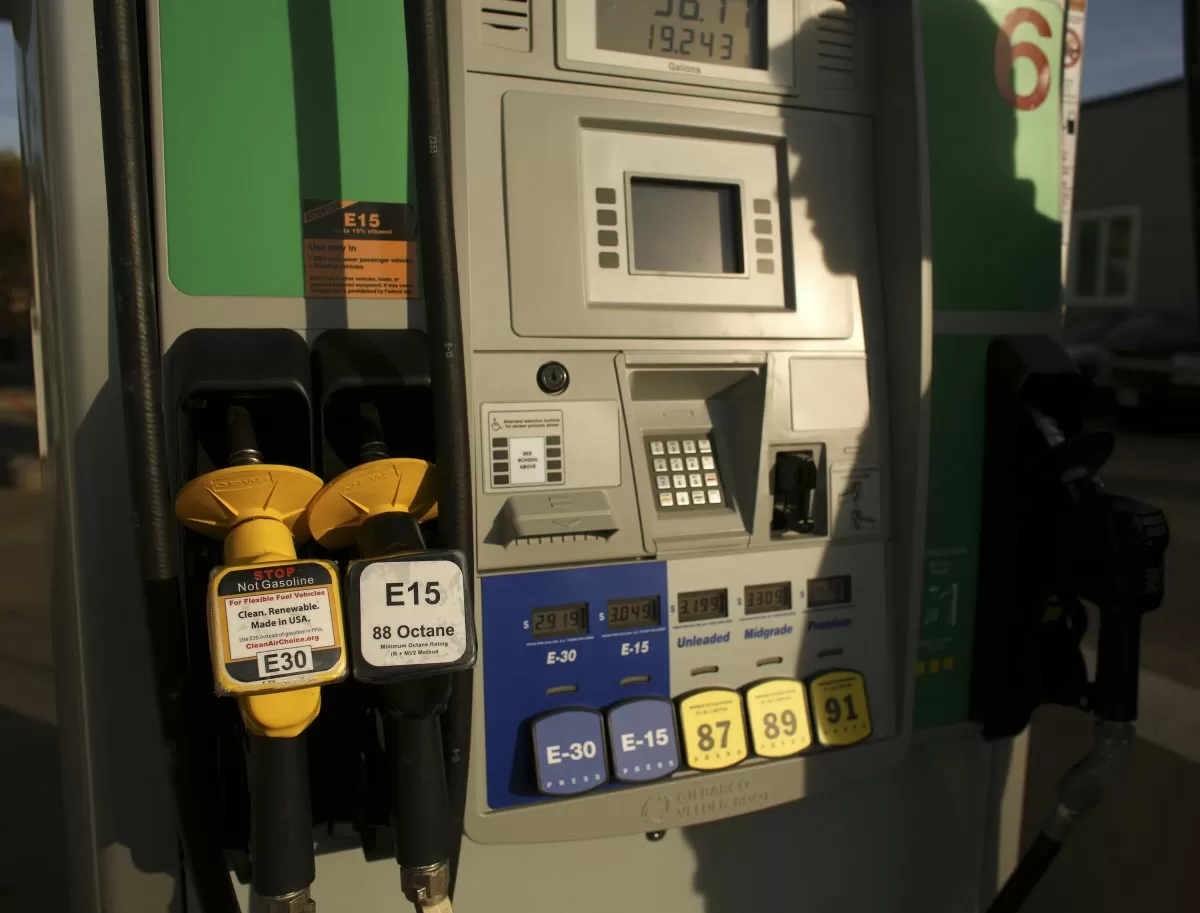
E15, also known as unleaded 88, is a relatively new type of gasoline that has been gaining popularity in recent years. This fuel blend contains 15% ethanol, which is a renewable and cleaner-burning alternative to traditional gasoline. One of the main reasons for its growing popularity is its lower price compared to regular unleaded gasoline. However, it is important to note that not all vehicles are compatible with this higher ethanol blend.
Firstly, let’s understand why E15 is cheaper than regular unleaded gasoline. Ethanol is a biofuel that is primarily made from corn, making it a domestically produced and renewable source of energy. This means that the production and distribution costs of ethanol are significantly lower than those of traditional gasoline, which is largely imported. As a result, E15 is typically priced lower than regular unleaded gasoline, making it an attractive option for budget-conscious consumers.
But before you rush to fill up your tank with E15, it is crucial to know if your vehicle can handle this higher ethanol blend. While most modern cars are designed to run on E15, there are still many vehicles on the road that are not compatible with this fuel. This is because E15 has a higher octane rating than regular unleaded gasoline, which means it burns at a higher temperature and can cause damage to engines that are not built to withstand it.
So, how do you know if your vehicle can handle E15? The easiest way is to check your owner’s manual or contact your car manufacturer. They will be able to tell you if your vehicle is approved for E15 use. Another way is to look for a label on your fuel door or gas cap that indicates the acceptable ethanol blend for your car. If you are still unsure, it is best to stick to regular unleaded gasoline to avoid any potential damage to your engine.
For those whose vehicles are compatible with E15, there are many benefits to using this fuel blend. As mentioned earlier, ethanol is a cleaner-burning fuel, which means it produces fewer emissions compared to traditional gasoline. This is not only better for the environment but also for your car’s engine. The higher oxygen content in E15 helps to keep your engine running cleaner and smoother, resulting in improved performance and fuel efficiency.
Moreover, using E15 can also have a positive impact on our economy and energy security. As ethanol is produced domestically, it reduces our dependence on foreign oil and creates jobs in the agriculture and biofuel industries. It also helps to diversify our energy sources, making us less vulnerable to fluctuations in oil prices.
In addition to its economic and environmental benefits, E15 is also a great option for those who own flex-fuel vehicles. These vehicles are designed to run on any ethanol blend up to E85, which contains 85% ethanol. By using E15, flex-fuel vehicle owners can still take advantage of the benefits of ethanol while saving money at the pump.
In conclusion, E15, or unleaded 88, is a cheaper and cleaner alternative to regular unleaded gasoline. However, it is important to note that not all vehicles can accommodate this higher ethanol blend. If your car is not approved for E15 use, it is best to stick to regular unleaded gasoline to avoid any potential damage to your engine. But for those whose vehicles are compatible, using E15 can bring many benefits, including cost savings, improved engine performance, and a positive impact on the environment and economy. So, the next time you fill up your tank, consider giving E15 a try and see the difference it can make.
