
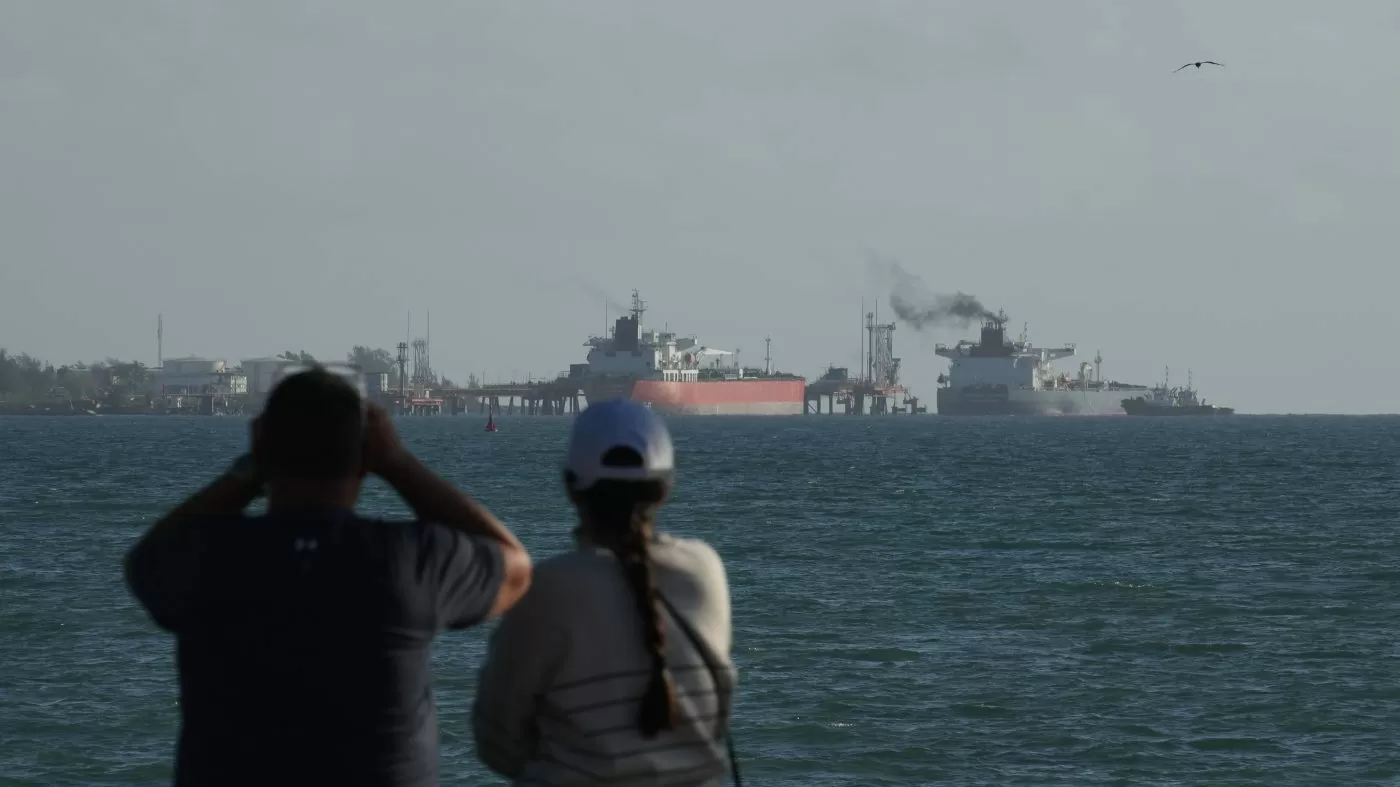
A Russian oil tanker has made headlines this week as it docked in Cuba on Tuesday, defying the United States’ blockade on shipments to the country. The arrival of the Anatoly Kolodkin vessel with 730,000 barrels of crude oil is a significant event for the Cuban people, as it is likely to meet their daily demand for the next nine to ten days.
The Trump administration has been pushing for regime change in Havana, and the U.S. blockade on Cuba is a part of this strategy. However, the arrival of the Russian oil tanker is a clear message that Cuba has strong allies who are willing to support them in the face of such aggressive tactics.
The Anatoly Kolodkin, owned by the Russian state-owned oil company Rosneft, has become a symbol of solidarity and friendship between Russia and Cuba. The vessel’s arrival is a testament to the strong economic and political ties between the two countries, which have remained strong despite the U.S. blockade.
For the Cuban population, the arrival of the tanker is a much-needed relief. Cuba has been facing a severe fuel shortage due to the U.S. sanctions, which have made it difficult for the country to import oil from other countries. This has resulted in long lines at gas stations and limited transportation, causing inconvenience for the Cuban people.
But with the arrival of the Anatoly Kolodkin, the Cuban government can now ensure that the population’s daily needs are met, at least for the next nine to ten days. This will provide some much-needed respite for the people and help alleviate their daily struggles.
The Russian oil tanker’s arrival also highlights the importance of international cooperation and solidarity in the face of adversity. While the U.S. is trying to isolate Cuba, Russia’s support has been a crucial lifeline for the country. This further strengthens the long-standing friendship between the two nations, which has stood the test of time.
Moreover, Russia’s assistance to Cuba goes beyond just this oil shipment. Over the years, Russia has provided significant support to Cuba in various sectors, including healthcare, education, and defense. This has helped Cuba to withstand the U.S. blockade and continue its development despite the challenges.
The U.S. blockade on Cuba has been in place for over six decades, and it has caused immense harm to the Cuban people. It is a clear violation of international law and has been condemned by the United Nations every year for the past 28 years. The arrival of the Russian oil tanker is a powerful message that the world stands in solidarity with Cuba and rejects the U.S.’s hostile policies.
In addition to providing much-needed relief to the Cuban people, the arrival of the Russian oil tanker also has economic implications. Cuba has significant oil reserves, but it lacks the technology and resources to extract and refine it. With Russia’s support, Cuba can now tap into its oil reserves and reduce its dependency on imports.
The U.S. blockade has also affected Cuba’s oil industry, as the country has been unable to modernize its refineries and explore new oil fields. With Russia’s assistance, Cuba can now upgrade its oil infrastructure and potentially increase its production in the future.
In conclusion, the arrival of the Russian oil tanker in Cuba is a significant event that has brought hope and relief to the Cuban people. It is a testament to the strong friendship and cooperation between Russia and Cuba, and a message to the world that solidarity and support can overcome any challenges. While the U.S. continues to push for regime change in Cuba, the arrival of the Anatoly Kolodkin serves as a reminder that Cuba has strong allies who will stand by them in their fight against adversity.
