
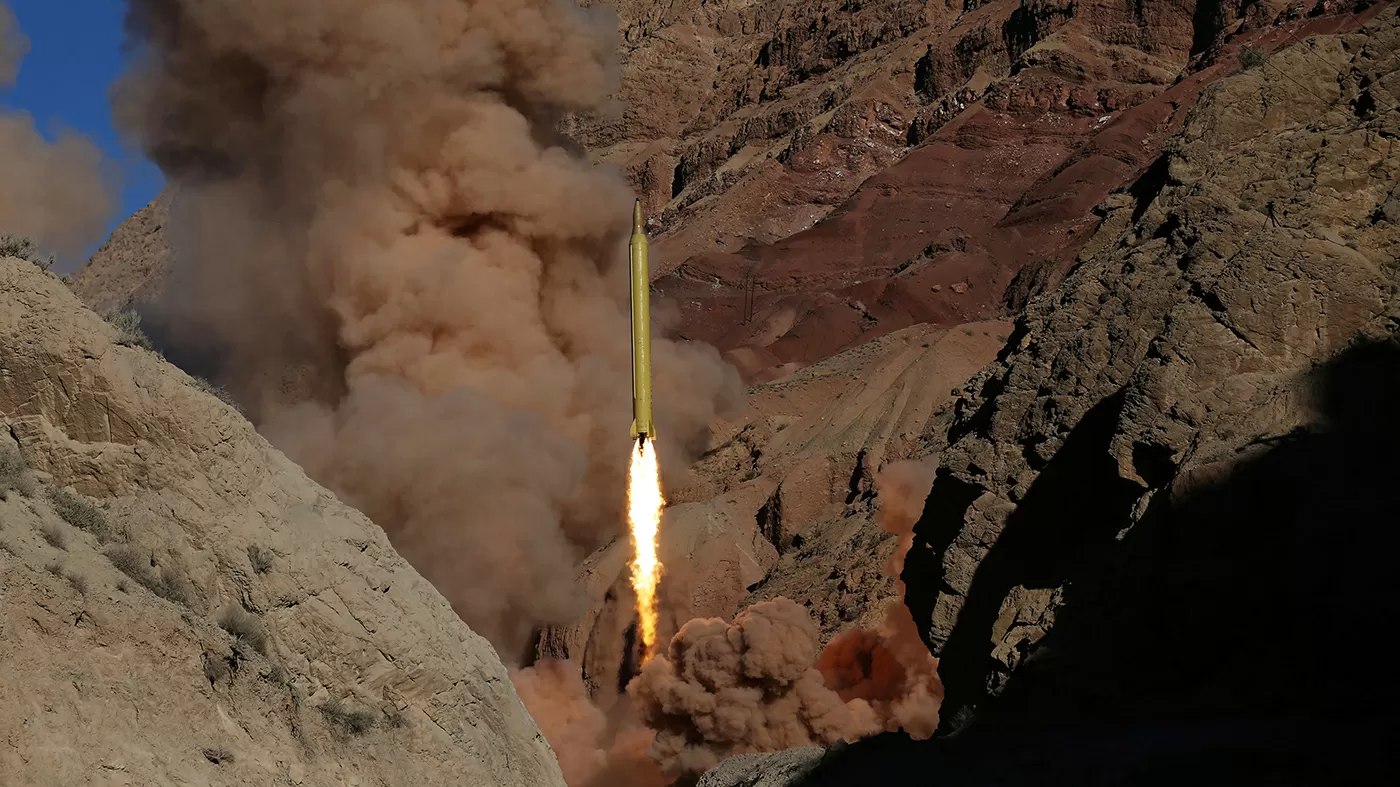
Oil prices have once again surged as the war in Iran continues and President Trump’s threats of further escalations loom over the market. On Monday morning, the international benchmark Brent crude was trading at around $114 per barrel, a significant increase from last week’s prices which were hovering around $100 to $105 per barrel. This spike in oil prices has been ongoing since the start of the conflict in Iran.
The ongoing tensions between the United States and Iran have caused a major disruption in the global oil market. The fear of supply disruptions and potential military actions have led to a sharp increase in oil prices. This has not only affected the oil industry but also has a ripple effect on the global economy. As oil prices continue to rise, consumers can expect to see an increase in the cost of everyday goods and services.
The main reason for the surge in oil prices is the fear of supply disruptions. Iran is one of the world’s largest oil producers and any conflict in the region could lead to a disruption in their oil exports. This has caused major oil companies to halt their operations in the region and has led to a decrease in production. In addition, the ongoing tensions have also affected other major oil-producing countries in the region, causing a decrease in their production as well.
President Trump’s threats of further escalations have only added to the uncertainty in the market. The possibility of a full-blown war between the two nations has caused panic among investors and has led to a surge in oil prices. The unpredictability of the situation has made it difficult for oil companies to plan for the future, causing further instability in the market.
The increase in oil prices has also been exacerbated by the recent attacks on oil tankers in the Gulf of Oman. These attacks have raised concerns about the safety of oil transportation in the region and have added to the already tense situation. As a result, insurance costs for oil tankers have increased, which is another factor contributing to the rise in oil prices.
The rise in oil prices has also been welcomed by oil-producing countries, especially those in the OPEC (Organization of the Petroleum Exporting Countries) cartel. These countries have been struggling with low oil prices for the past few years and the recent surge has provided some much-needed relief. However, this may not be good news for other countries, especially those heavily reliant on oil imports. The increase in oil prices could lead to an increase in their import bills, putting a strain on their economies.
In addition to the geopolitical factors, there are also other factors that have contributed to the rise in oil prices. The ongoing trade war between the United States and China has caused a slowdown in the global economy, leading to a decrease in demand for oil. However, with the recent surge in oil prices, it is evident that the demand for oil is still strong, which is a positive sign for the global economy.
Despite the current situation, there is hope that the oil market will stabilize in the near future. The recent tensions between the United States and Iran have shown signs of de-escalation, with both sides expressing a desire for a peaceful resolution. This has led to a slight decrease in oil prices, providing some relief to the market.
Moreover, there are also efforts being made by major oil-producing countries to stabilize the market. OPEC and its allies have agreed to extend their production cuts until March 2020, which is expected to help balance the market and prevent a further increase in oil prices. In addition, major oil companies have also announced plans to increase their production in the coming months, which could help ease the pressure on oil prices.
In conclusion, the recent surge in oil prices due to the ongoing war in Iran and President Trump’s threats of further escalations has caused major disruptions in the global oil market. The fear of supply disruptions and the uncertainty surrounding the situation have led to a sharp increase in oil prices. However, with efforts being made to stabilize the market, there is hope that the situation will improve in the near future. Until then, consumers can expect to see an increase in the cost of goods and services, but hopefully, the market will stabilize and bring some relief to both producers and consumers.
