
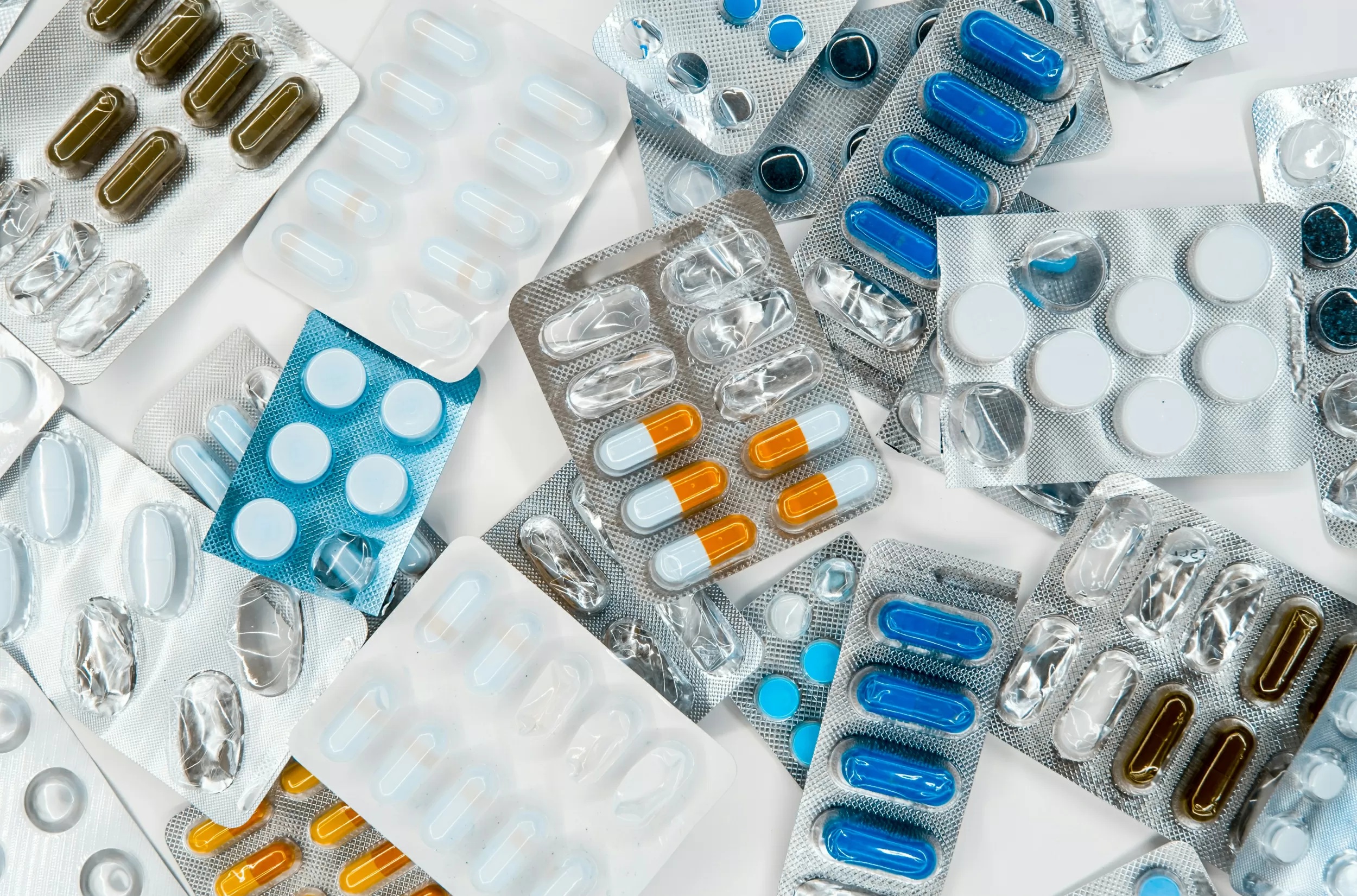
Antibiotics are powerful medications that have revolutionized the field of medicine. They have saved countless lives and have been instrumental in treating bacterial infections. However, with the widespread use of antibiotics, there has been a rise in antibiotic resistance, making it crucial for us to understand how antibiotics work, the different types available, and the risks associated with antibiotic resistance.
How do antibiotics work?
Antibiotics are medications that are used to fight bacterial infections. They work by either killing the bacteria or stopping them from multiplying. Bacteria are tiny organisms that can cause a range of illnesses, from minor skin infections to life-threatening diseases. When our bodies are unable to fight off these bacteria on their own, antibiotics are prescribed to help eliminate the infection.
Different types of antibiotics
There are several types of antibiotics, each with its own specific mechanism of action. The most commonly used antibiotics are penicillins, cephalosporins, tetracyclines, macrolides, and fluoroquinolones. Penicillins, such as amoxicillin and ampicillin, work by weakening the cell wall of bacteria, causing them to burst. Cephalosporins, like cephalexin and ceftriaxone, also target the cell wall of bacteria but are more effective against a broader range of bacteria.
Tetracyclines, such as doxycycline and tetracycline, work by inhibiting the production of proteins in bacteria, preventing them from growing and multiplying. Macrolides, like erythromycin and azithromycin, also target protein production but are usually used for respiratory and skin infections. Fluoroquinolones, such as ciprofloxacin and levofloxacin, work by interfering with the DNA of bacteria, preventing them from replicating.
Antibiotic resistance risks
While antibiotics have been a lifesaver for many, their misuse and overuse have led to an alarming rise in antibiotic resistance. Antibiotic resistance occurs when bacteria develop the ability to survive and multiply despite being exposed to an antibiotic. This is usually due to the excessive use of antibiotics, either by not completing a prescribed course or using them for conditions that do not require them.
The consequences of antibiotic resistance are severe. It makes infections harder to treat, leading to longer hospital stays, higher medical costs, and, in some cases, death. It also puts vulnerable groups, such as children, elderly, and those with weakened immune systems, at a higher risk of contracting infections that were once easily treatable.
Prevention and proper treatment strategies
The best way to prevent antibiotic resistance is by using antibiotics responsibly. This means only using antibiotics when prescribed by a doctor for a bacterial infection and completing the full course as instructed. It is also essential to avoid using antibiotics for viral infections, such as the common cold, as they are not effective against viruses.
Proper hygiene practices, such as washing hands regularly, can also help prevent the spread of bacterial infections. When it comes to treatment, it is crucial to follow the prescribed dosage and duration of the antibiotic. It is also essential to inform your doctor if you have any allergies or are taking any other medications that may interact with the antibiotic.
In some cases, your doctor may also recommend probiotics to help restore the balance of good bacteria in your body. Probiotics are live bacteria and yeasts that are similar to the beneficial bacteria found in our bodies. They can help prevent the overgrowth of harmful bacteria and may also reduce the risk of antibiotic-associated diarrhea.
In conclusion, antibiotics have played a vital role in treating bacterial infections, but their overuse has led to a rise in antibiotic resistance. It is crucial for us to use antibiotics responsibly and follow proper hygiene practices to prevent the spread of bacterial infections. By doing so, we can help preserve the effectiveness of antibiotics and ensure their continued use in treating infections. Remember, responsible use of antibiotics today can save lives tomorrow.
