
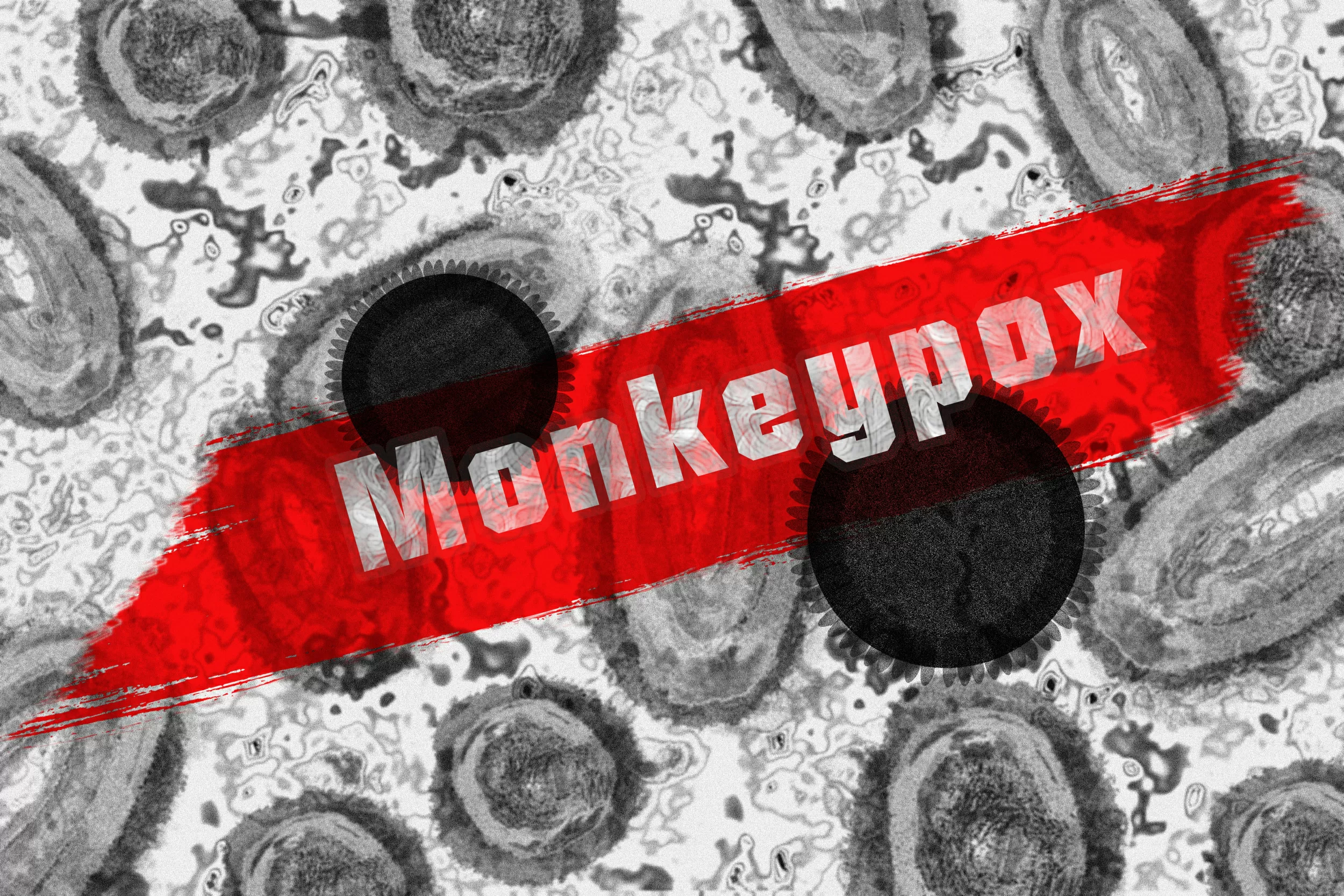
Monkeypox, a rare but potentially serious viral disease, has been making headlines recently due to its spread in various parts of the world. As travelers, it is important to be aware of this disease and take necessary precautions to protect ourselves and others. In this guide, we will cover everything you need to know about monkeypox, including its symptoms, vaccination, prevention measures, and travel advisory updates, to ensure a safe and worry-free trip.
Symptoms:
Monkeypox is a zoonotic disease, meaning it is transmitted from animals to humans. The virus is primarily found in monkeys, rodents, and other wild animals, but can also be spread from person to person through respiratory droplets or contact with infected body fluids. The symptoms of monkeypox are similar to those of smallpox, but milder. They usually appear within 5-21 days after exposure and include fever, headache, muscle aches, and swollen lymph nodes. A rash may also develop, starting on the face and spreading to other parts of the body. In severe cases, the rash may become pustular and can lead to scarring.
Vaccination:
Currently, there is no specific treatment or vaccine available for monkeypox. However, the smallpox vaccine has been found to be effective in preventing the disease. This vaccine is not routinely given anymore, but can be obtained from certain health clinics for those who are at high risk of exposure. It is important to note that the smallpox vaccine may not provide complete protection against monkeypox, but it can reduce the severity of the disease.
Prevention Measures:
The best way to prevent monkeypox is to avoid contact with infected animals and people. If you are traveling to areas where monkeypox is prevalent, here are some precautions you can take:
1. Avoid contact with wild animals: Do not touch or handle any wild animals, including monkeys, rodents, and bats. Also, do not eat or handle bushmeat, as it may be contaminated with the virus.
2. Practice good hygiene: Wash your hands frequently with soap and water, especially after coming in contact with animals or their habitats. If soap and water are not available, use an alcohol-based hand sanitizer.
3. Avoid crowded areas: As monkeypox can be transmitted through respiratory droplets, it is important to avoid crowded areas, such as markets and public transportation, where you may come in close contact with infected individuals.
4. Use personal protective equipment: If you are a healthcare worker or are caring for someone with monkeypox, make sure to wear gloves, masks, and other protective gear to avoid contact with infected body fluids.
Travel Advisory Updates:
The World Health Organization (WHO) and the Centers for Disease Control and Prevention (CDC) regularly provide updates and travel advisories for areas where monkeypox has been reported. It is important to stay informed and follow their recommendations before and during your trip. If there is an ongoing outbreak in a particular area, it is best to avoid traveling there until the situation improves.
In conclusion, monkeypox is a rare disease, but it is important for travelers to be aware of it and take necessary precautions to protect themselves. By avoiding contact with infected animals, practicing good hygiene, and staying informed, you can reduce your risk of contracting the virus. If you experience any symptoms of monkeypox during or after your trip, seek medical attention immediately. Remember, prevention is always better than cure. Stay safe and have a happy and healthy journey!
