
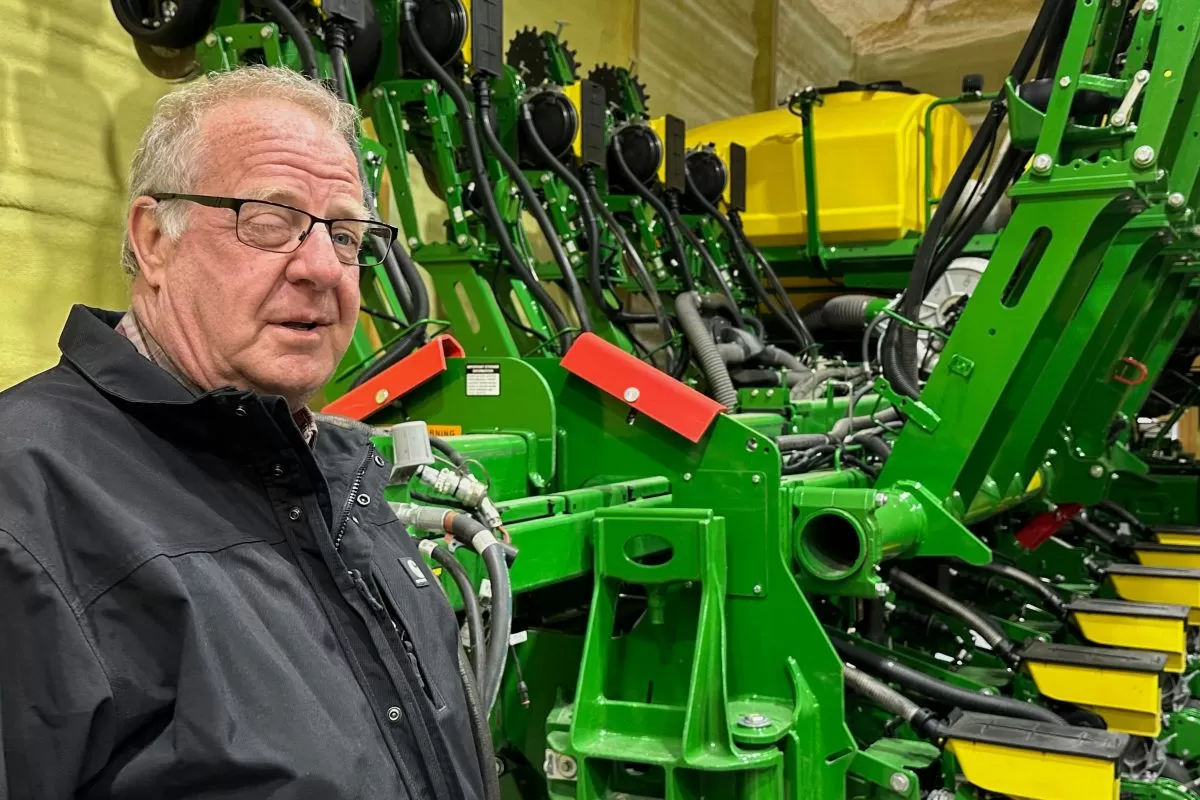
In the agricultural industry, fertilizer plays a crucial role in enhancing crop growth and yield. However, in recent times, there has been a shortage of fertilizer in certain areas, making it difficult for some farmers to obtain it. This issue has raised concerns and has become a topic of discussion among farmers. It is a worrying situation as some farmers may not be able to obtain fertilizer at any price.
Fertilizer is a key component for successful crop production. It provides the essential nutrients that are necessary for plant growth, such as nitrogen, phosphorus, and potassium. These nutrients are crucial for the development of healthy plants and are vital for achieving high yields. Without proper fertilization, crops become susceptible to diseases, pests, and yield reduction. Therefore, the shortage of fertilizer can have a significant impact on the agriculture sector and the livelihood of farmers.
One of the main reasons for the shortage of fertilizer is the disruption of supply chains due to the ongoing COVID-19 pandemic. The closure of borders and restrictions on transportation have resulted in delays and shortages in fertilizer deliveries. This has affected not only small-scale farmers but also large-scale commercial farmers who heavily rely on fertilizer for their crops. As a result, many farmers are struggling to obtain the necessary amount of fertilizer for their fields.
Another factor contributing to the shortage is the increase in demand for fertilizer. With the growing population, there is a need for increased food production. This has led to an increase in the demand for fertilizer, but the supply has not been able to keep up. Moreover, the rise in prices of fertilizer has also made it difficult for farmers to afford it. This has created a situation where some farmers may not be able to obtain fertilizer at any price.
The shortage of fertilizer has also been exacerbated by the weather conditions in some regions. Torrential rains and floods have damaged crops, resulting in the need for more fertilizer to aid in the recovery process. In such situations, even if farmers can afford fertilizer, they may not be able to obtain it due to the shortage.
The shortage of fertilizer is a pressing issue that needs to be addressed urgently. Without adequate fertilization, the agricultural sector will suffer, and the food supply for the growing population will be affected. The good news is that steps are being taken to address this issue. Governments, both at the national and international level, are working towards resolving the supply chain disruptions and ensuring the availability of fertilizer. They are also exploring alternative options such as promoting the use of organic fertilizers and increasing subsidies for farmers to purchase fertilizers.
Furthermore, there have been initiatives to educate farmers on the judicious use of fertilizers. It is essential to understand that the overuse of fertilizers can be harmful to the environment and the health of consumers. Therefore, educating farmers on proper fertilization practices can reduce the demand for fertilizer and alleviate the shortage.
As a community, we can also support our farmers by buying locally produced and sustainable crops. This not only helps in reducing the demand for imported fertilizers but also supports our local farmers who are struggling with the shortage. Additionally, we can also promote sustainable farming practices that reduce the reliance on chemical fertilizers and promote natural fertilization methods.
In conclusion, the shortage of fertilizer is a pressing issue that needs to be addressed urgently. It is a situation that can affect the livelihood of farmers and have a significant impact on food security. However, with collective efforts from governments, farmers, and communities, we can overcome this challenge. Let us support our farmers and work towards a sustainable and resilient agriculture sector. Together, we can ensure that no farmer is left without the necessary fertilizers for their crops.
