
From Berries to Fatty Fish: A Practical Guide to Building a Heart-Healthy Foods Routine
High blood pressure, also known as hypertension, is a common health issue that affects millions of people worldwide. It occurs when the force of blood against the walls of your arteries is consistently too high, putting extra strain on your heart and blood vessels. If left untreated, high blood pressure can lead to serious health problems such as heart disease, stroke, and kidney failure.
Fortunately, there are many ways to manage and lower blood pressure, and one of the most effective methods is through a healthy diet. Research has shown that certain foods can have a significant impact on blood pressure levels, making them an essential part of a heart-healthy foods routine. In this article, we will explore some of these foods and provide a practical guide to incorporating them into your daily diet.
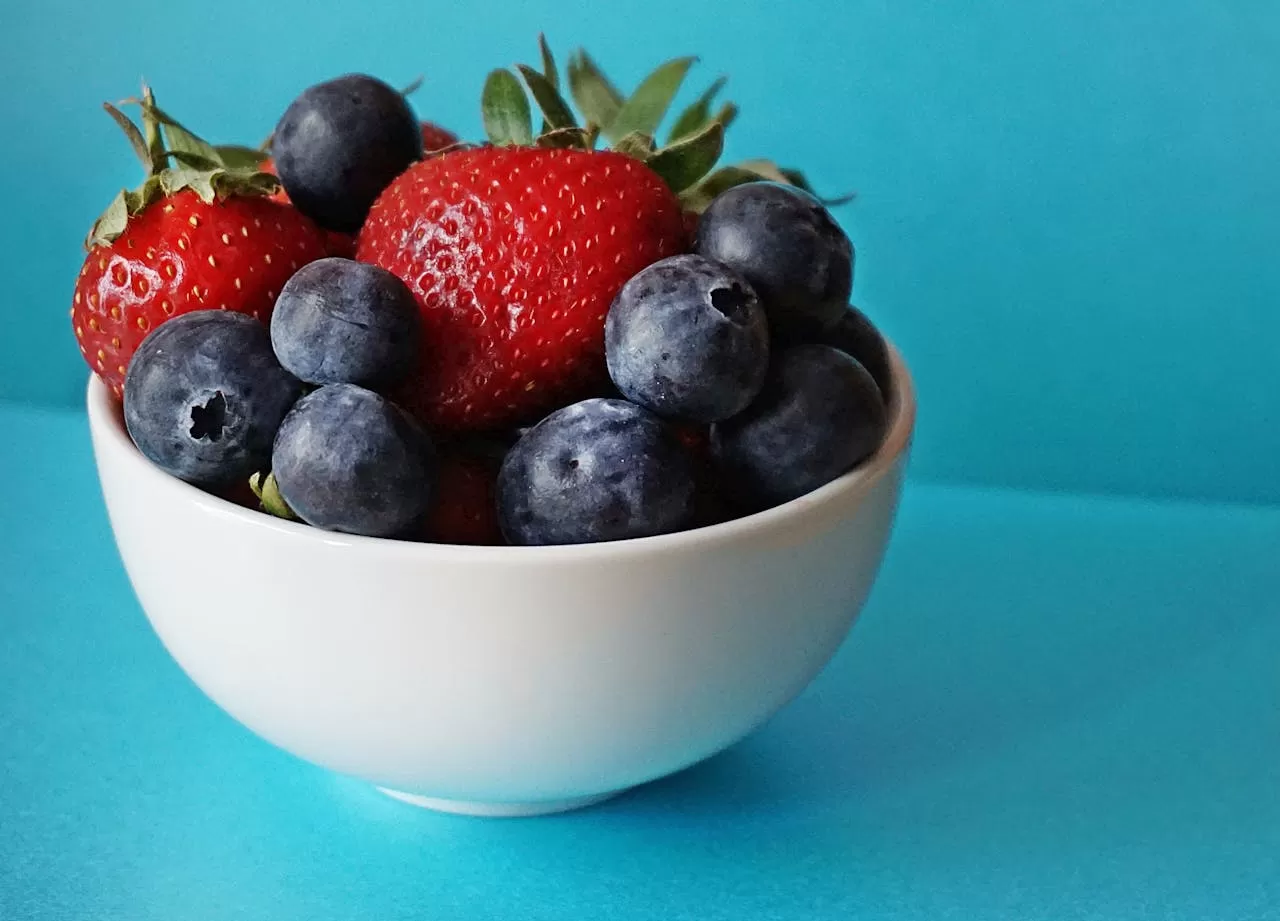
Berries
Berries are not only delicious but also packed with nutrients that can help lower blood pressure. They are rich in antioxidants, which can protect your cells from damage and reduce inflammation in the body. Studies have shown that regular consumption of berries, such as blueberries, strawberries, and raspberries, can help lower blood pressure and improve overall heart health.
To incorporate more berries into your diet, try adding them to your breakfast cereal, oatmeal, or yogurt. You can also enjoy them as a snack or add them to salads for a burst of flavor and nutrition.
Leafy Greens
Leafy greens, such as spinach, kale, and collard greens, are another excellent addition to a heart-healthy diet. They are rich in potassium, a mineral that helps regulate blood pressure by counteracting the effects of sodium. Potassium also helps relax the walls of blood vessels, making it easier for blood to flow and reducing strain on the heart.
Leafy greens are versatile and can be incorporated into meals in various ways. You can add them to smoothies, soups, stir-fries, or enjoy them as a side dish. Aim to include at least one serving of leafy greens in your meals every day for maximum benefits.
Fatty Fish
Fatty fish, such as salmon, mackerel, and sardines, are excellent sources of omega-3 fatty acids, which have been shown to have a positive effect on blood pressure. These healthy fats can help reduce inflammation, improve blood vessel function, and lower blood pressure levels. Regular consumption of fatty fish has also been linked to a reduced risk of heart disease and stroke.
To incorporate more fatty fish into your diet, aim to have at least two servings per week. You can bake, grill, or poach them for a healthy and delicious meal. If you are not a fan of fish, you can also consider taking omega-3 supplements to reap the benefits.
Olive Oil
Olive oil is a staple in the Mediterranean diet, which is known for its heart-healthy benefits. It is rich in monounsaturated fats, which can help lower blood pressure and reduce the risk of heart disease. Olive oil also contains antioxidants and anti-inflammatory compounds that can protect against high blood pressure.
To reap the benefits of olive oil, use it as your primary cooking oil and in salad dressings. However, keep in mind that it is high in calories, so use it in moderation.
Nuts and Seeds
Nuts and seeds are not only delicious but also packed with nutrients that can help lower blood pressure. They are rich in healthy fats, fiber, and minerals such as magnesium and potassium, all of which play a role in regulating blood pressure. Studies have shown that regular consumption of nuts and seeds can help reduce blood pressure levels and improve overall heart health.
To incorporate more nuts and seeds into your diet, enjoy them as a snack, add them to salads, or use them as a topping for yogurt or oatmeal. However, keep in mind that they are high in calories, so it is essential to consume them in moderation.
In addition to incorporating these foods into your diet, it is also crucial to limit your intake of processed and high-sodium foods, as they can contribute to high blood pressure. It is also essential to maintain a healthy weight, exercise regularly, and manage stress levels to keep your blood pressure in check.
In conclusion, a heart-healthy foods routine is not only beneficial for managing and lowering blood pressure but also for overall health and well-being. By incorporating these foods into your diet and making healthy lifestyle choices, you can
