
Microplastics have been making headlines in recent years, and for good reason. These tiny plastic particles, measuring less than 5 millimeters in size, have been found in alarming quantities in our oceans, freshwater sources, and even in the air we breathe. But what many people may not realize is that microplastics can also enter our bodies, posing potential health risks. In this article, we will explore how microplastics enter the human body, where they are found, and the emerging research on their potential health effects. We will also discuss ways to reduce our everyday exposure to these harmful particles.
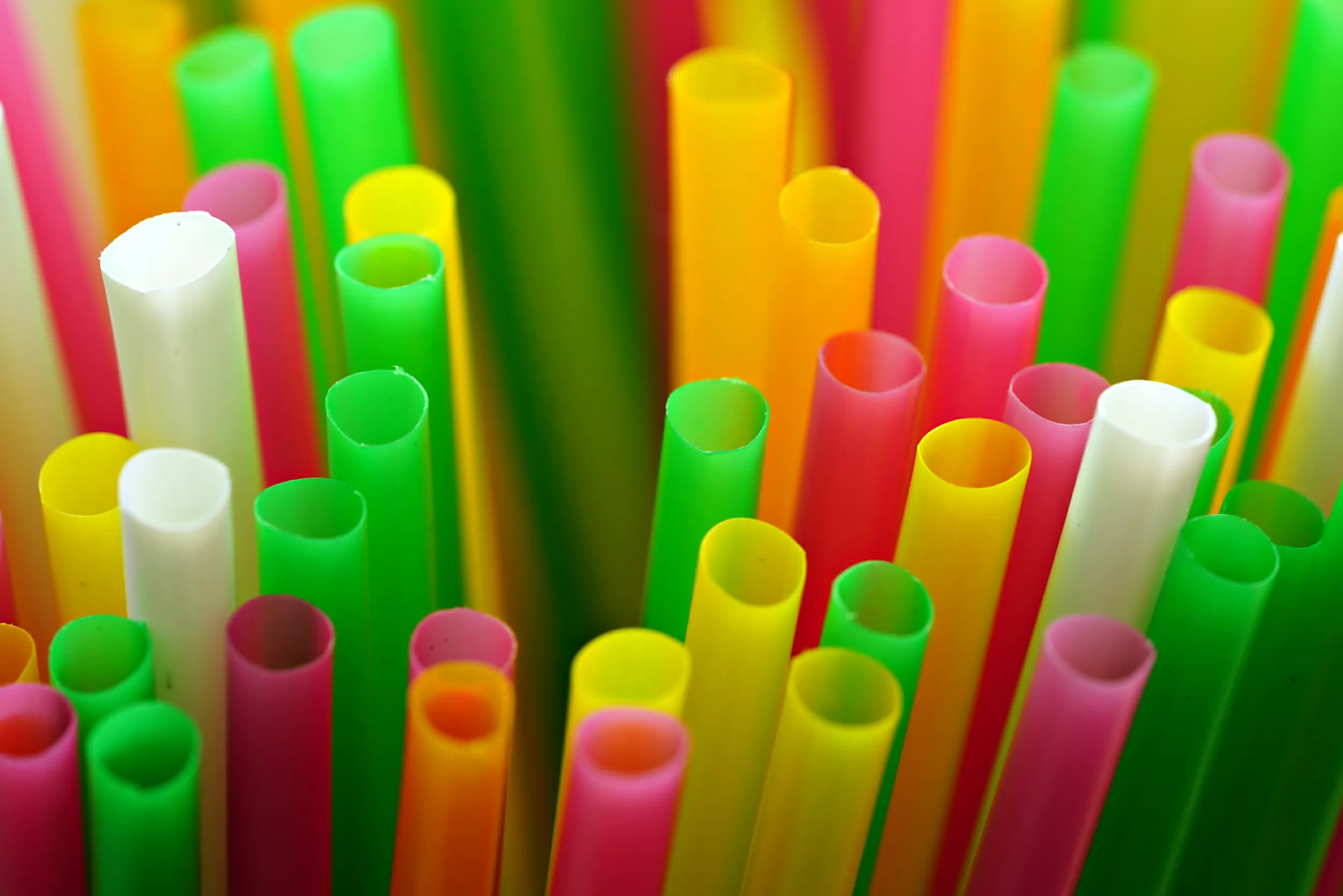
Microplastics are everywhere – from the clothes we wear to the beauty products we use. These tiny particles come from the breakdown of larger plastic objects, such as water bottles, straws, and packaging materials. They can also come from the shedding of synthetic fibers from our clothing and the microbeads found in some cosmetics and cleaning products.
There are two main ways in which microplastics enter the human body – ingestion and inhalation. When we consume food and water, we can unknowingly ingest microplastics that have contaminated our food sources. A study by the World Wildlife Fund found that on average, a person could be consuming up to five grams of plastic every week – equivalent to a credit card’s weight. This is because microplastics have been found in marine animals, such as fish and shellfish, which ultimately end up on our plates. Microplastics have also been found in tap and bottled water, which can be another source of ingestion.
Inhalation is another way in which microplastics can enter our bodies. A recent study by King’s College London found that microplastics were present in 90% of the air samples taken from different locations in London. These particles can be inhaled into our lungs and potentially enter our bloodstream.
So, now that we know how microplastics enter our bodies, the question is – what are the potential health effects? While research on the specific health effects of microplastics on humans is still in the early stages, there are some concerning findings. Studies have shown that microplastics can accumulate in our bodies, causing inflammation and damage to organs. They have also been linked to reproductive and developmental issues, as well as an increased risk of certain types of cancer.
One of the main concerns with microplastics is their ability to absorb and release harmful chemicals. These chemicals can include pesticides, flame retardants, and other toxic substances, which can then enter our bodies along with the microplastics. The long-term effects of this exposure are still unknown, but there is growing evidence of potential harm.
However, there is also promising research being conducted on ways to reduce our exposure to microplastics. One such approach is through wastewater treatment plants. These facilities are responsible for removing microplastics from our sewage systems, preventing them from entering our water sources. Some countries, such as the Netherlands, have already implemented advanced filtration systems to remove microplastics from wastewater.
Individual actions can also make a significant impact in reducing our exposure to microplastics. Choosing natural and biodegradable materials over synthetic ones can help decrease the amount of plastic waste in the environment. Additionally, avoiding single-use plastic items, such as straws and plastic bags, can also make a difference. Opting for reusable alternatives, like metal straws and cloth bags, can significantly reduce the amount of plastic waste we produce.
Another way to reduce everyday exposure to microplastics is by being cautious of the products we use. Avoiding products with microbeads, such as some exfoliators and toothpaste, can help decrease microplastic pollution. Reading ingredient labels and opting for products with natural, eco-friendly ingredients is a great way to minimize our exposure to these particles.
In conclusion, microplastics are a growing concern for human health, with their presence in our food, water, and air. While the research is still ongoing, there is evidence of potential harm from these tiny plastic particles. However, by being mindful of our actions and making small changes in our daily routines, we can help reduce our exposure to microplastics and protect our health. Let’s work together to find solutions and create a cleaner, healthier environment for ourselves and future generations.
