
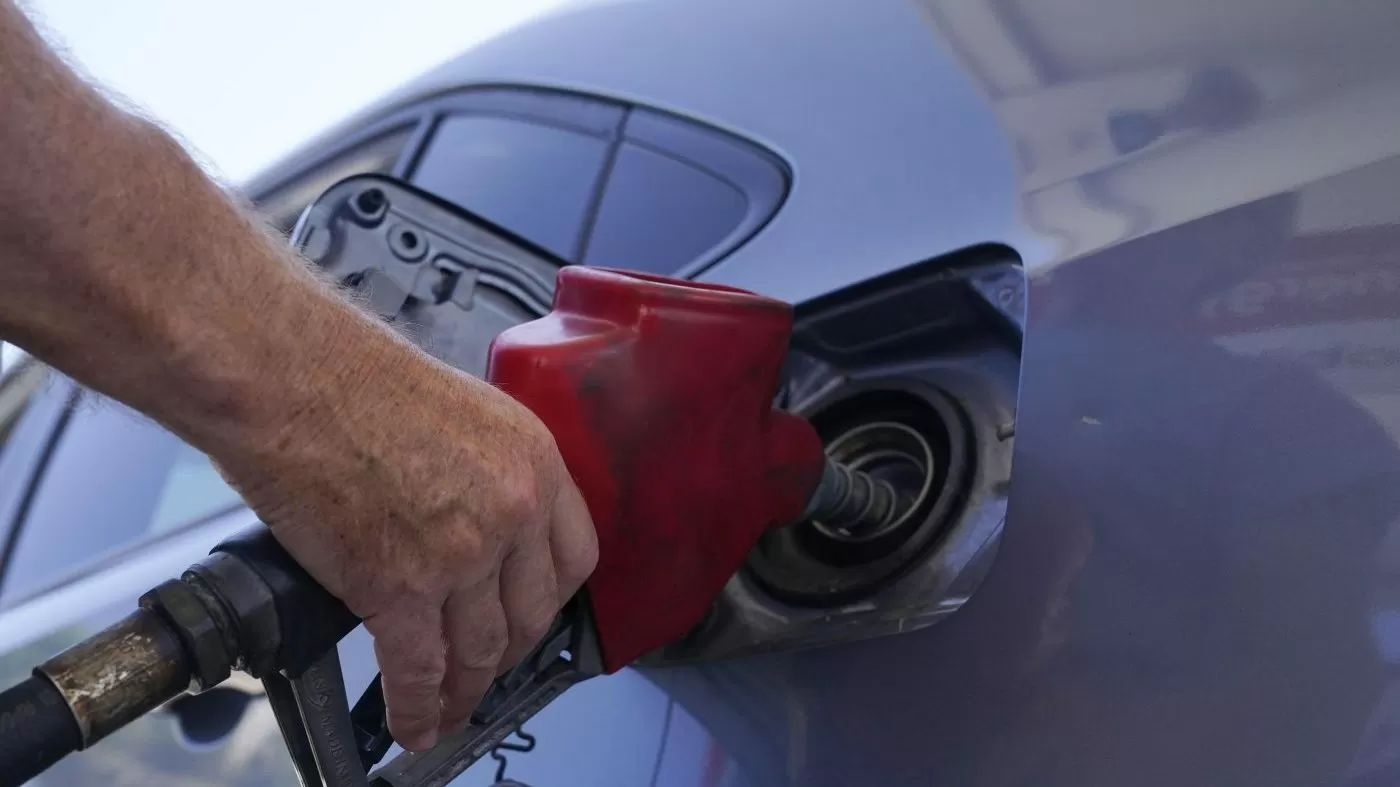
When gas prices suddenly spike, it can feel like a punch to the gut for consumers. The thought of filling up your tank and watching the numbers on the pump climb higher and higher can be painful. But there is something you can do to ease the burden and stretch your fuel just a little bit farther: change the way you drive.
It may seem like a small adjustment, but the way you drive can have a significant impact on your gas mileage. By making a few simple changes, you can save money at the pump and reduce your carbon footprint. So, let’s take a look at some driving habits that can help you get the most out of your fuel.
First and foremost, slow down. We all know the temptation to speed, especially when we’re running late or in a hurry. But driving at high speeds can significantly decrease your gas mileage. According to the U.S. Department of Energy, every 5 mph you drive over 50 mph is like paying an additional $0.20 per gallon of gas. So, by simply slowing down and driving at a more moderate speed, you can save money on gas.
Another tip is to avoid aggressive driving. Rapid acceleration, braking, and speeding can all contribute to poor gas mileage. By driving more calmly and smoothly, you can improve your fuel efficiency and save money. Plus, aggressive driving is not only bad for your wallet, but it’s also dangerous for you and other drivers on the road.
Next, try to avoid idling. Sitting in traffic or waiting for a train to pass can be frustrating, but idling your car wastes gas. If you anticipate being stopped for more than 30 seconds, it’s better to turn off your engine. Restarting your car uses less fuel than idling for an extended period. So, the next time you’re stuck in traffic, turn off your engine and save some gas.
Proper maintenance of your vehicle is also crucial for good gas mileage. Regular tune-ups, oil changes, and tire rotations can all improve your car’s performance and fuel efficiency. Make sure to follow your car’s recommended maintenance schedule and keep your tires properly inflated. Underinflated tires can decrease your gas mileage by up to 0.3% for every 1 psi drop in pressure.
In addition to these driving habits, there are also some technological advancements that can help you save on gas. Many newer cars come equipped with fuel-saving features such as automatic start-stop systems and eco-driving modes. These features can help you optimize your driving and improve your gas mileage. If you’re in the market for a new car, consider these fuel-saving options.
Lastly, consider carpooling or using public transportation. Not only will this help reduce your gas expenses, but it’s also better for the environment. By sharing a ride with others, you can decrease the number of cars on the road and reduce your carbon footprint. Plus, you can save money on gas and possibly even enjoy a more relaxed commute.
In conclusion, when gas prices spike, it’s easy to feel helpless and frustrated. But by changing the way you drive, you can take control of your fuel consumption and save money. Remember to slow down, avoid aggressive driving, and properly maintain your vehicle. And if possible, consider alternative modes of transportation. By making these small changes, you can stretch your fuel just a little bit farther and ease the pain at the pump. So, let’s all do our part and drive smarter for a better future.
