
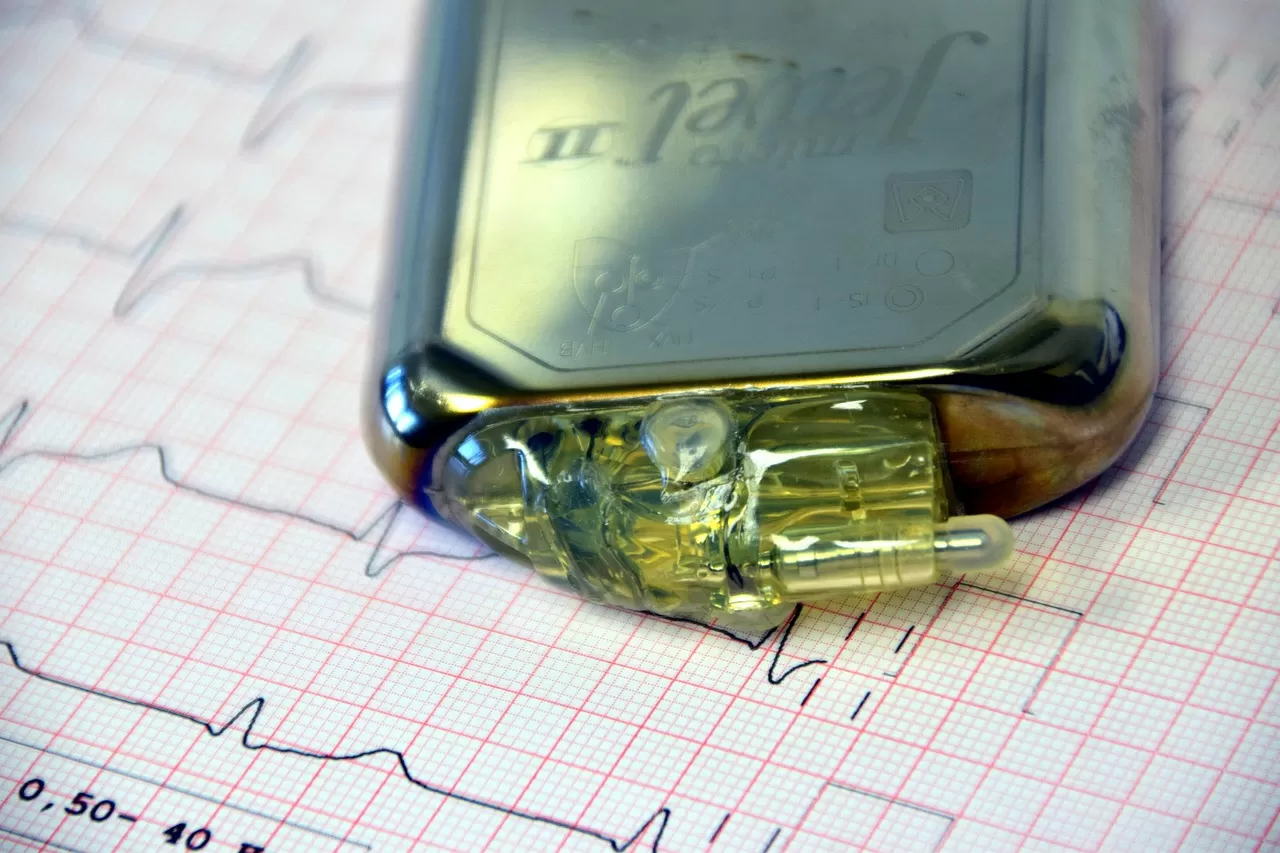
The human heart is a remarkable organ, beating around 100,000 times a day to keep our bodies functioning. However, sometimes our heart’s natural rhythm can become disrupted, leading to conditions such as bradycardia, tachycardia, and other arrhythmias. In such cases, medical intervention may be necessary to regulate the heart’s rhythm and prevent potential complications. Two common devices used for this purpose are pacemakers and implantable cardioverter-defibrillators (ICDs). While both serve the same purpose, they differ in terms of pacing, shocks, implantation, and long-term heart rhythm care. In this article, we will explore the differences between a pacemaker and ICD and how they are used to treat various heart rhythm disorders.
Pacemakers and ICDs are both small, battery-operated devices that are implanted under the skin in the chest area. They work by sending electrical impulses to the heart to regulate its rhythm. However, the main difference between the two lies in their functions. A pacemaker is primarily used for bradycardia, a condition in which the heart beats too slowly. It does this by sending small electrical signals to the heart muscle to maintain a steady heart rate. On the other hand, an ICD is used for more serious conditions such as tachycardia, a condition in which the heart beats too fast, or other arrhythmias that can cause a sudden cardiac arrest. It works by continuously monitoring the heart’s rhythm and delivering a shock to restore a normal rhythm if needed.
Another significant difference between a pacemaker and ICD is the type of shocks they deliver. A pacemaker delivers low-energy electrical impulses to pace the heart, whereas an ICD can deliver both low and high-energy shocks. The high-energy shocks are used in life-threatening situations, while the low-energy shocks are used to correct minor rhythm disturbances. This feature makes an ICD more versatile and suitable for treating a wider range of heart rhythm disorders.
The implantation process for a pacemaker and ICD also differs. A pacemaker is usually placed under the skin near the collarbone, with thin wires called leads connected to the heart. These leads deliver the electrical signals from the pacemaker to the heart muscle. In contrast, an ICD is placed under the skin, and one or more leads are positioned inside the heart itself. This allows the ICD to continuously monitor the heart’s rhythm and deliver shocks if necessary.
After the implantation of a pacemaker or ICD, regular follow-up appointments are necessary to ensure that the device is functioning correctly. However, the long-term care for these devices differs. Pacemaker patients need to have their device checked every 3-6 months, while ICD patients require more frequent check-ups every 3-4 months. This is because ICDs need to be monitored more closely to detect any irregularities in the heart’s rhythm and deliver timely shocks if needed. Additionally, ICD patients may also need to avoid certain activities that could interfere with the device, such as contact sports or high-intensity exercises.
In terms of longevity, pacemakers and ICDs differ as well. A pacemaker battery typically lasts for 5-15 years, depending on how often it is used. Once the battery runs out, a simple procedure is performed to replace it. On the other hand, ICD batteries tend to last for 3-7 years. However, since ICDs are more complex devices, the replacement procedure is more involved and requires a hospital stay.
In conclusion, both pacemakers and ICDs are life-saving devices that are used to regulate the heart’s rhythm. While they have some similarities, they differ in terms of pacing, shocks, implantation, and long-term care. Pacemakers are primarily used for bradycardia and deliver low-energy signals to pace the heart. In contrast, ICDs are used for more serious conditions and can deliver both low and high-energy shocks. The implantation process and follow-up care also differ between the two devices. It is essential to consult with a cardiologist to determine which device is best suited for an individual’s specific condition. With the advancement of technology, these devices continue to improve and provide better outcomes for patients with heart rhythm disorders.
