
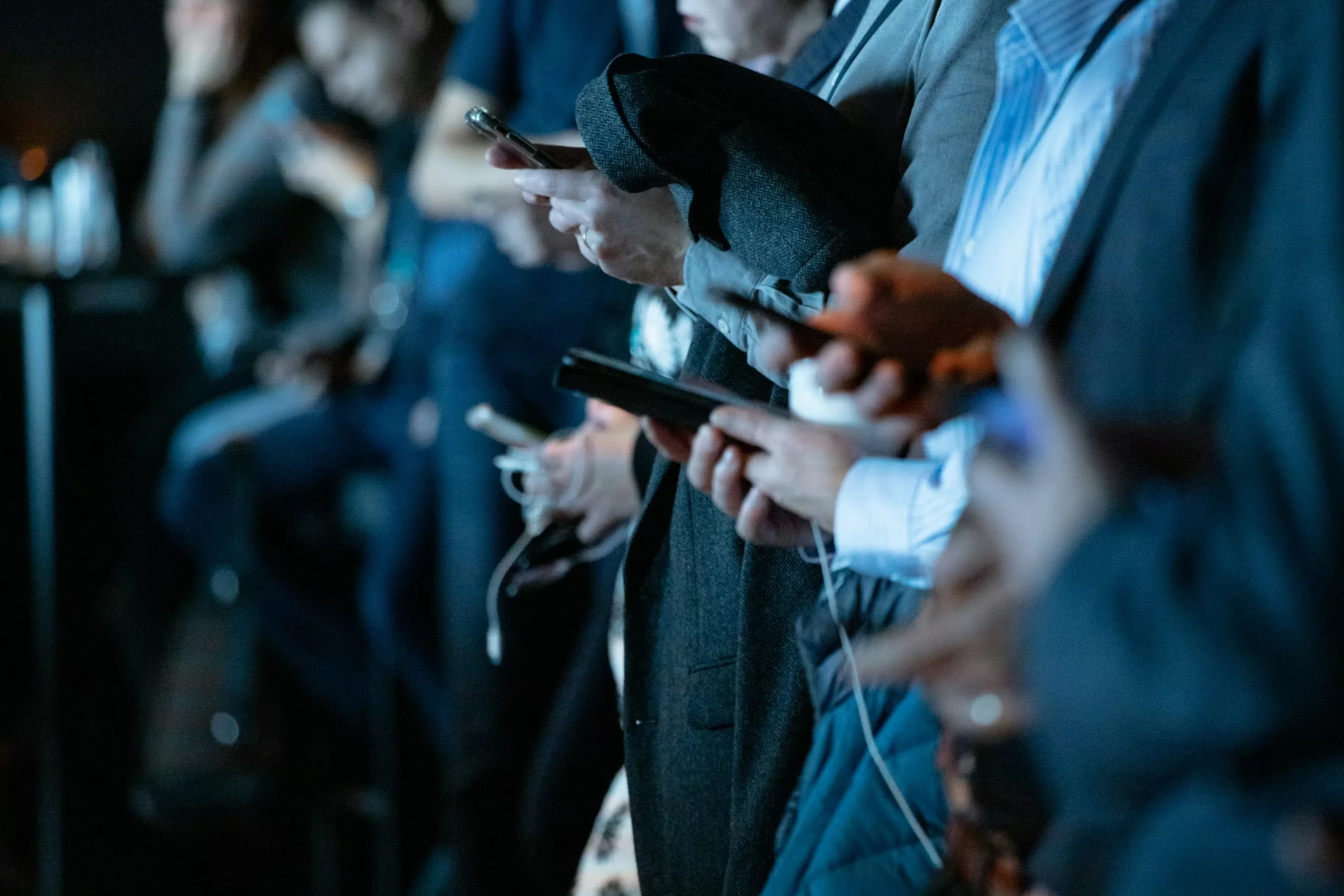
Social media has become an integral part of our daily lives, connecting us to friends, family, and the world around us. However, with its constant stream of information and interactions, it can also bring about feelings of anxiety and stress. This phenomenon, known as social media anxiety, has been studied by psychologists who have identified various factors that contribute to its development. In this article, we will explore these factors and their impact on mental health, as well as ways to cope with social media anxiety.
One of the main causes of social media anxiety is the fear of missing out, also known as FOMO. This is the feeling of anxiety or unease that arises when we believe others are having more fun or experiencing better things than we are. With social media, we are bombarded with images and updates of our friends and acquaintances living seemingly perfect lives. This can lead to feelings of inadequacy and the fear of being left behind. Psychologists explain that FOMO is rooted in our basic human need for social connection and acceptance. When we feel like we are missing out on these connections, it can trigger anxiety and even depression.
Another factor that contributes to social media anxiety is social comparison. With the constant exposure to carefully curated images and posts on social media, it is easy to fall into the trap of comparing our lives to others. This can lead to feelings of inadequacy, low self-esteem, and even envy. Psychologists suggest that this constant comparison can be damaging to our mental health, as it creates an unrealistic standard of perfection that is impossible to achieve.
Cyberbullying is another issue that has become prevalent on social media platforms. With the anonymity and distance that social media provides, people can easily engage in hurtful and harmful behavior towards others. This can have a significant impact on the mental health of the victim, causing feelings of anxiety, depression, and even suicidal thoughts. Psychologists emphasize the need for stricter measures to prevent cyberbullying and for individuals to be mindful of their online behavior.
In addition to these factors, social media can also disrupt our sleep patterns, leading to further mental health issues. The blue light emitted from screens can suppress the production of melatonin, the hormone responsible for regulating our sleep-wake cycle. This can result in difficulty falling asleep and poor quality of sleep, which can have a negative impact on our overall well-being. Furthermore, the constant scrolling and checking of social media can also disrupt our sleep as it keeps our minds stimulated and prevents us from fully relaxing.
So, how can we cope with social media anxiety? Psychologists suggest setting boundaries and limiting our time on social media. This can include turning off notifications, designating specific times to check social media, and avoiding it before bedtime. It is also essential to practice self-care and engage in activities that bring us joy and relaxation. This can include spending time with loved ones, exercising, or pursuing a hobby. Additionally, it is crucial to remember that what we see on social media is often a highlight reel and not a true reflection of someone’s life. By focusing on our own journey and not comparing it to others, we can reduce feelings of anxiety and improve our mental health.
In conclusion, social media anxiety is a real and growing issue that can have a significant impact on our mental health. The fear of missing out, social comparison, cyberbullying, and sleep disruption are all contributing factors to this phenomenon. However, by setting boundaries, practicing self-care, and being mindful of our online behavior, we can reduce the negative effects of social media on our mental well-being. Let us use social media as a tool for connection and positivity, rather than a source of anxiety and stress.
