
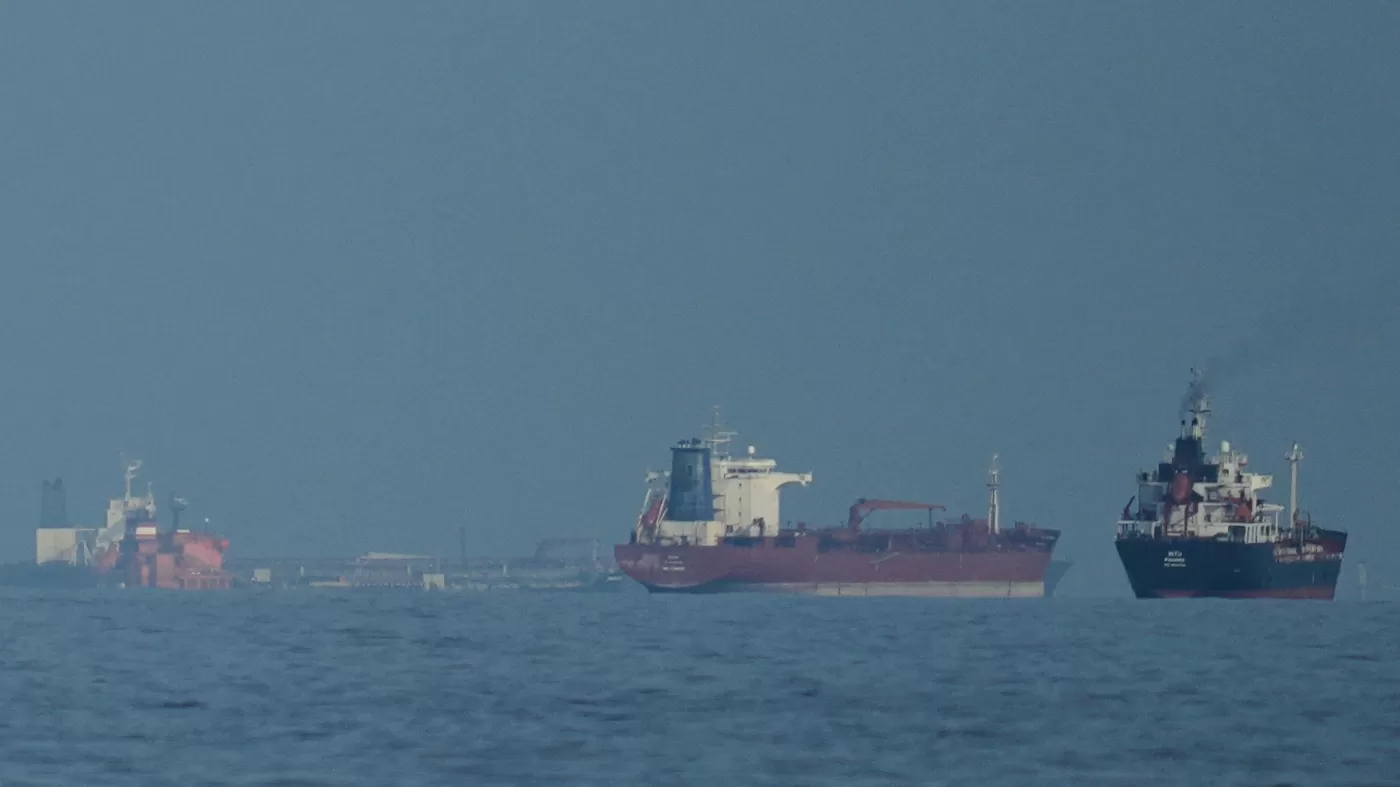
Crude oil prices eased slightly on Thursday morning after briefly climbing above $100 overnight, as Iran made moves to tighten its grip on the Strait of Hormuz in an effort to increase economic pressure amidst the ongoing war. The international benchmark, Brent crude oil, was trading about 4.7 percent higher at approximately $98 per barrel.
The recent escalation of tensions in the Middle East has caused a surge in oil prices, with fears of supply disruptions and potential conflict driving up the cost of crude. However, the market saw a slight relief as prices eased this morning, following a brief spike in response to Iran’s actions.
The Strait of Hormuz, located between Iran and Oman, is a crucial shipping route for the global oil trade, with about one-fifth of the world’s oil passing through its narrow waters. Iran’s recent actions, including the seizure of a British oil tanker and the attempted capture of a British-flagged vessel, have raised concerns about the safety and stability of this vital waterway.
The Iranian government has been using these tactics as a means to retaliate against the economic sanctions imposed by the United States, which have severely impacted their oil exports. By asserting control over the Strait of Hormuz, Iran hopes to put pressure on the international community and force them to ease the sanctions.
However, experts believe that these actions will only lead to further isolation and economic hardship for Iran. The country’s economy is heavily reliant on oil exports, and any disruptions to their oil trade will have a significant impact on their already struggling economy.
In addition, the global oil market is well-equipped to handle any potential supply disruptions. The Organization of the Petroleum Exporting Countries (OPEC) and its allies, including Russia, have been closely monitoring the situation and have assured that they are ready to step in and increase production if necessary.
Furthermore, the United States, one of the world’s largest oil producers, has also stated that it is prepared to use its strategic reserves to stabilize the market in case of any major disruptions.
Despite these reassurances, the oil market remains volatile, with prices fluctuating in response to any developments in the ongoing conflict. However, experts believe that the market will eventually stabilize as the situation in the Middle East becomes clearer.
In the meantime, consumers can expect to see a slight increase in fuel prices, but it is unlikely to have a significant impact on their daily lives. The current oil prices are still relatively low compared to the highs seen in 2018, and with the market’s ability to handle any disruptions, there is no need to panic.
Moreover, the recent easing of tensions between the United States and Iran has also provided some relief to the market. The two countries have shown a willingness to engage in dialogue, and this has raised hopes of a potential resolution to the ongoing conflict.
In conclusion, the slight dip in crude oil prices this morning is a positive sign for the global economy. While the situation in the Middle East remains uncertain, the market has shown resilience and is well-equipped to handle any potential disruptions. As always, it is essential for consumers to stay informed and not be swayed by short-term fluctuations in the market. Let us remain optimistic and hope for a peaceful resolution to the ongoing conflict in the Middle East.
