
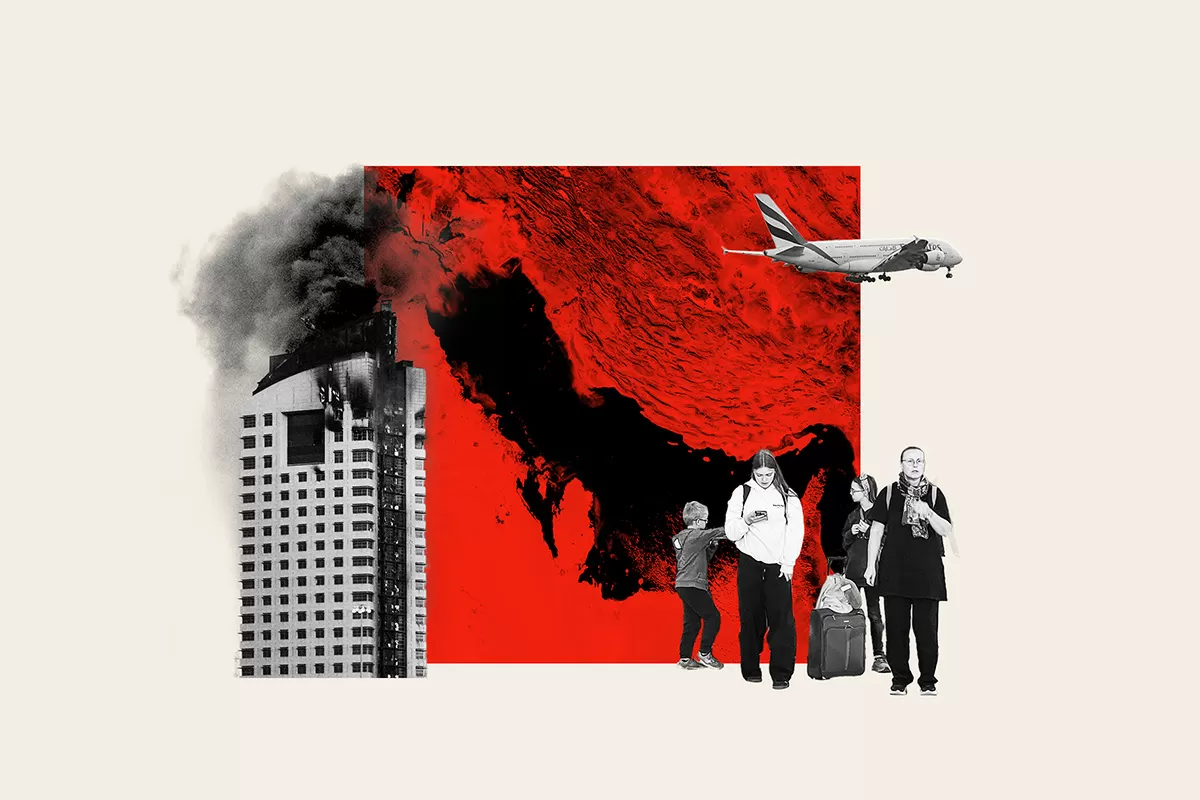
Analysts from all six GCC states have expressed their growing frustration with the United States’ approach to the ongoing war with Iran, according to a recent report by Newsweek. The Gulf Cooperation Council (GCC) is a political and economic alliance of six countries in the Arabian Peninsula, including Bahrain, Kuwait, Oman, Qatar, Saudi Arabia, and the United Arab Emirates. These countries have been closely monitoring the escalating tensions between the US and Iran, and their analysts have now come forward to voice their concerns.
The US and Iran have been at odds for decades, with both countries engaging in a war of words and actions. However, the recent events have raised concerns among the GCC states, as they fear the consequences of a potential conflict in the region. The killing of Iranian General Qasem Soleimani by a US drone strike in January and the retaliatory missile attacks by Iran on US military bases in Iraq have only added fuel to the fire.
The analysts from the GCC states have expressed their frustration with the US approach to the war with Iran, stating that it has been ineffective and counterproductive. They believe that the US has not taken into consideration the potential impact of its actions on the region and has failed to understand the complexities of the situation.
One of the main concerns raised by the analysts is the lack of a clear strategy from the US. They argue that the US has been acting impulsively and without a long-term plan, which has only led to further escalation of tensions. The US has also been criticized for its inconsistent policies towards Iran, with analysts pointing out that the US has been flip-flopping between threats of war and calls for negotiations.
Furthermore, the analysts have also highlighted the negative impact of the US sanctions on Iran. These sanctions have not only hurt the Iranian economy but have also affected the economies of the GCC states. The GCC countries have close economic ties with Iran, and the sanctions have disrupted their trade and investment relations. This has caused frustration among the GCC states, as they believe that the US is not considering the impact of its actions on its allies in the region.
The analysts have also expressed their disappointment with the lack of communication and consultation from the US. They argue that the US has not consulted with the GCC states before taking any actions against Iran, despite the fact that these countries are directly affected by the ongoing conflict. This lack of communication has created a sense of mistrust among the GCC states towards the US, and they feel that their concerns are being ignored.
The GCC states have also raised concerns about the potential for a wider conflict in the region. They fear that the US and Iran’s actions could lead to a full-blown war, which would have devastating consequences for the entire region. The analysts have urged the US to exercise restraint and to consider the potential consequences of its actions on the region’s stability.
In light of these concerns, the analysts have called for a more diplomatic and strategic approach to the war with Iran. They believe that the US should engage in meaningful dialogue with Iran and work towards finding a peaceful resolution to the conflict. The GCC states have also offered their support in facilitating these talks and have urged the US to consider their perspectives and concerns.
In conclusion, the analysts from the GCC states have expressed their growing frustration with the US approach to the war with Iran. They believe that the US has been acting impulsively and without a clear strategy, which has only led to further escalation of tensions. The GCC states have called for a more diplomatic and strategic approach to the conflict and have offered their support in finding a peaceful resolution. It is now up to the US to consider these concerns and work towards de-escalating the situation in the region.
