
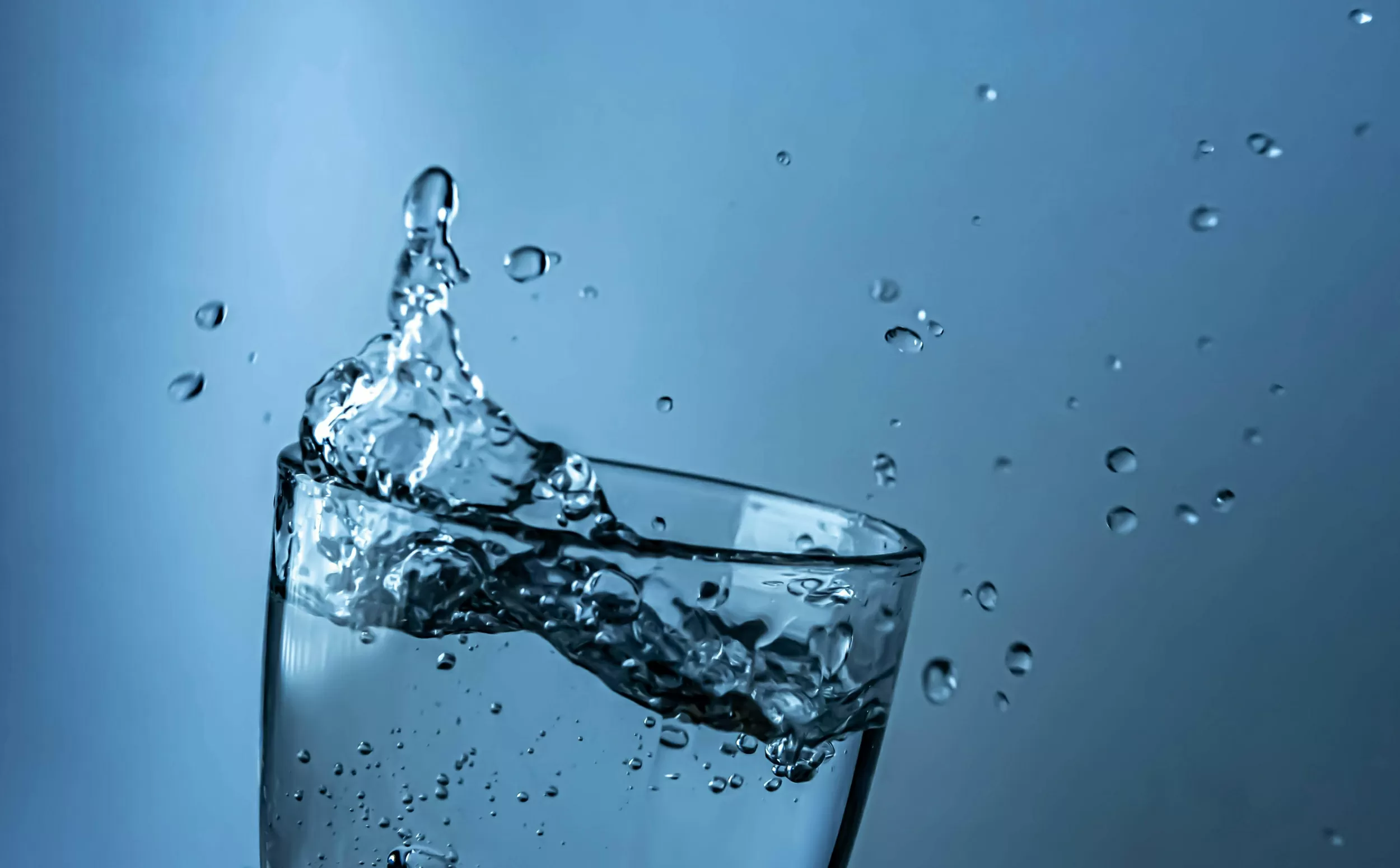
Dehydration occurs when the body loses more fluids than it takes in. It can be caused by a variety of factors, and if left untreated, can lead to serious health complications. Understanding the causes of dehydration, as well as the symptoms, risk factors, and prevention strategies, is essential for maintaining a healthy fluid balance and avoiding potential complications.
Symptoms of Dehydration:
The first and most common symptom of dehydration is thirst. This is your body’s way of telling you that it needs more fluids. Other symptoms may include dry mouth, fatigue, dizziness, and dark-colored urine. In more severe cases, symptoms can progress to include rapid heartbeat, low blood pressure, and even confusion or loss of consciousness.
Causes of Dehydration:
There are several factors that can contribute to dehydration. The most obvious cause is not drinking enough fluids, especially during physical activity or in hot weather. In addition, certain health conditions such as diabetes or kidney disease can affect the body’s ability to regulate fluids and lead to dehydration. Other common causes include diarrhea, vomiting, and excessive sweating.
Risk Factors:
Some individuals are more at risk for dehydration than others. Infants and young children, in particular, are more susceptible because their bodies have a higher percentage of water and their ability to regulate fluids is not fully developed. Older adults are also at a higher risk due to age-related changes in the body, as well as a decreased thirst sensation. People who engage in strenuous physical activity or work in hot environments are also at a higher risk for dehydration.
Hydration Prevention Strategies:
The best way to prevent dehydration is to stay hydrated. This means drinking plenty of fluids throughout the day, especially during physical activity or when exposed to hot weather. Water is the best option, but other beverages such as sports drinks, fruit juices, or coconut water can also help replenish lost fluids and electrolytes. It is important to note that caffeinated and alcoholic beverages can actually contribute to dehydration, so they should be consumed in moderation.
In addition to staying hydrated, there are other strategies that can help prevent dehydration. These include:
1. Monitoring Fluid Intake: Keeping track of how much fluids you are consuming can help ensure you are meeting your body’s needs. It is recommended to drink at least 8 glasses of water a day, but individual needs may vary.
2. Eating Water-Rich Foods: Some foods, such as watermelon, cucumber, and lettuce, have a high water content and can contribute to your overall fluid intake. Including these foods in your diet can help prevent dehydration.
3. Dressing Appropriately: When engaging in physical activity or spending time in hot weather, wearing light-colored and loose-fitting clothing can help regulate body temperature and prevent excessive sweating.
4. Taking Breaks: If you are working or exercising in a hot environment, it is important to take regular breaks and cool down to prevent excessive fluid loss.
5. Re-hydrating After Illness: If you have been experiencing diarrhea or vomiting, it is important to replenish lost fluids and electrolytes with water, sports drinks, or oral rehydration solutions.
In conclusion, dehydration is a common and potentially dangerous condition that can be prevented with proper hydration strategies. It is important to be aware of the causes and symptoms of dehydration and take steps to maintain a healthy fluid balance. By staying hydrated and following other prevention strategies, you can help ensure your body is functioning at its best and avoid potential complications. Remember, if you feel thirsty, it is already a sign that your body needs more fluids, so listen to your body and drink up!
