
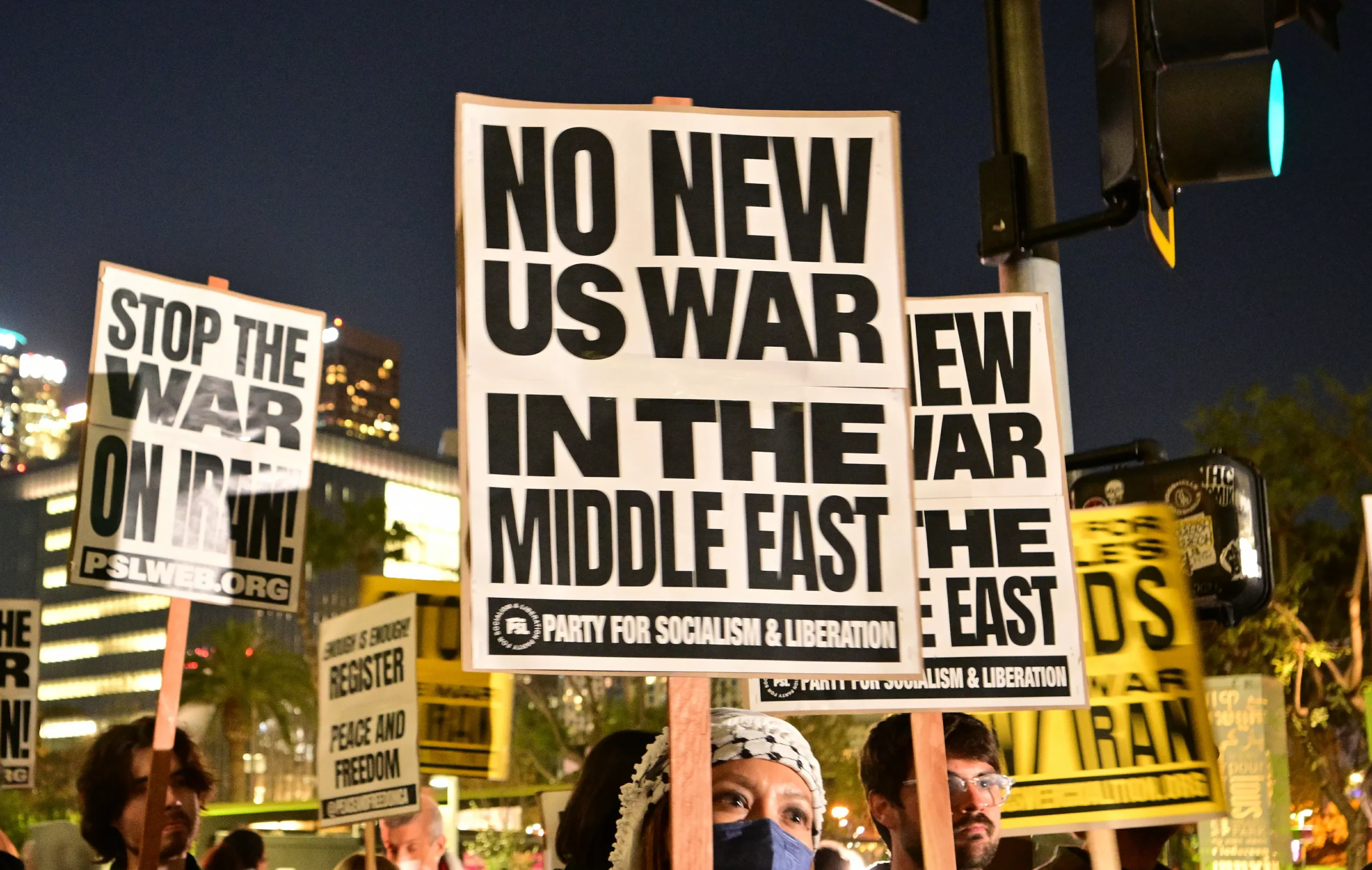
As tensions between the United States and Iran continue to escalate, the conversation around the conflict has taken over social media and online platforms. People from all over the world are voicing their opinions and concerns about the potential consequences of a war in the Middle East. However, amidst these discussions, a new argument has emerged – the retirement of the term “Middle East.”
For decades, the term “Middle East” has been used to describe a region that encompasses countries such as Iran, Iraq, Syria, and Saudi Arabia. It has become a common term in political discussions, news reports, and everyday conversations. But as the world becomes more interconnected and globalized, many are questioning the validity and relevance of this term.
The argument for retiring the term “Middle East” stems from the fact that it was coined by Western powers during the colonial era. It was used to categorize and label a diverse group of countries and cultures, often with a negative connotation. This term has also been criticized for its Eurocentric perspective, as it places Europe at the center of the world and everything else as “the East.”
Moreover, the term “Middle East” is not geographically accurate. It implies that the region is located in the middle of the world, which is not the case. In fact, many argue that the term “West Asia” or “Southwest Asia” would be more appropriate, as it accurately reflects the location of these countries.
But beyond the historical and geographical inaccuracies, the retirement of the term “Middle East” is also a call for a shift in mindset. By using this term, we are perpetuating a narrative that these countries are all the same, with similar cultures, beliefs, and values. This is far from the truth. Each country in this region has its own unique history, culture, and identity. By lumping them all together under one label, we are erasing their individuality and diversity.
Furthermore, the term “Middle East” has become synonymous with conflict and turmoil. Whenever we hear this term, we immediately think of war, terrorism, and instability. This not only perpetuates negative stereotypes but also ignores the rich and vibrant cultures that exist in these countries. By retiring this term, we can shift the focus from conflict to the beauty and diversity of this region.
The retirement of the term “Middle East” is not a new concept. In recent years, there have been calls for its replacement with more accurate and inclusive terms. In 2018, the United Nations officially changed the name of its regional office from “UN Regional Office for the Middle East” to “UN Regional Office for West Asia.” This was a significant step towards acknowledging the inaccuracy and bias of the term “Middle East.”
But the retirement of this term is not just about changing labels. It is about recognizing and respecting the identities of these countries and their people. It is about breaking away from the colonial mindset and embracing a more inclusive and accurate perspective.
Some may argue that changing a term will not solve the deep-rooted issues in this region. And they are right. The retirement of the term “Middle East” is just the first step towards a larger conversation about decolonization and inclusivity. But it is an important step nonetheless.
So, what can we do to retire the term “Middle East”? First and foremost, we need to start using more accurate and inclusive terms when referring to this region. We can also educate ourselves and others about the history and implications of this term. And most importantly, we need to listen to the voices of those who are directly affected by this label and support their call for change.
In conclusion, as the world watches and discusses the potential consequences of a war in the Middle East, we must also reflect on the language we use to describe this region. The retirement of the term “Middle East” is not just a linguistic change, but a step towards a more inclusive and accurate representation of this diverse and complex region. Let us embrace this change and work towards a more inclusive and respectful world.
