
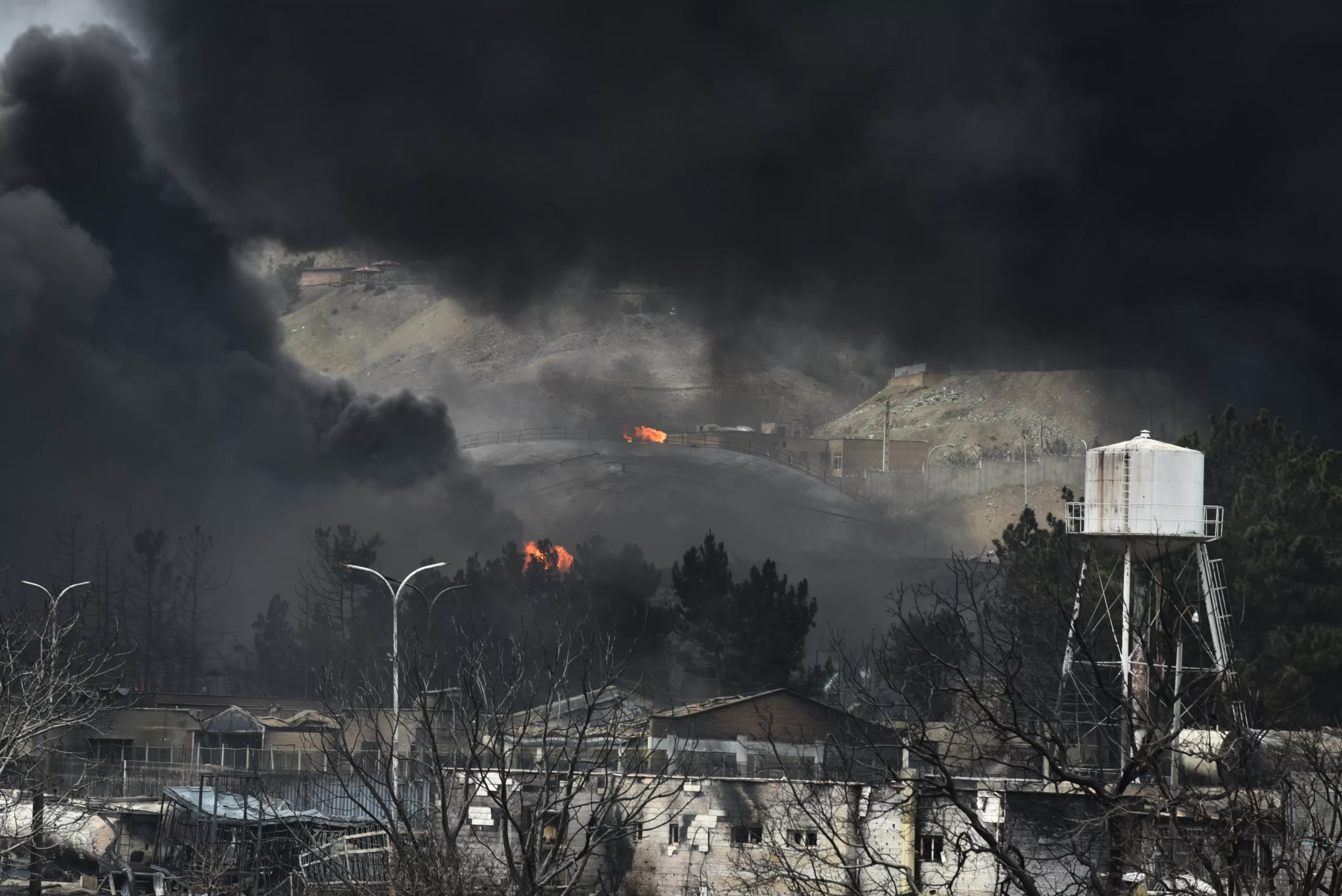
The global oil market has been shaken by recent events as the cost of oil surged past $100 a barrel. This sudden increase in price comes after Iran named Mojtaba Khamenei as its new supreme leader. The news has sent shockwaves through the industry and has left many wondering what this means for the future of oil prices.
The announcement of Mojtaba Khamenei as the new supreme leader of Iran has caused a stir in the international community. Khamenei, who is the son of the late Ayatollah Ali Khamenei, is known for his hardline stance on foreign policy and his close ties to the country’s powerful Revolutionary Guards. This has raised concerns about the stability of the region and the impact it will have on the global oil market.
The cost of oil has been on a steady rise in recent months, with tensions in the Middle East and supply disruptions in Venezuela and Libya contributing to the increase. However, the news of Khamenei’s appointment has caused a sharp spike in prices, with experts predicting that it could reach $150 a barrel in the coming weeks.
The rise in oil prices has far-reaching implications for the global economy. As oil is a crucial component in almost every industry, the increase in its cost will have a domino effect on the prices of goods and services. This will ultimately lead to a rise in inflation and put a strain on consumers’ wallets.
The impact of this surge in oil prices will be felt by both developed and developing countries. For developed nations, the rise in oil prices will lead to an increase in transportation costs, which will affect the prices of goods and services. This will have a direct impact on the cost of living for citizens. Developing countries, on the other hand, will face even more significant challenges as they heavily rely on oil imports. The increase in oil prices will put a strain on their already fragile economies and could potentially lead to social and political unrest.
The situation is further complicated by the fact that Iran is one of the world’s largest oil producers, with the capacity to produce over 4 million barrels per day. With Khamenei’s hardline stance on foreign policy, there are concerns that the country’s oil exports could be affected, leading to a decrease in global oil supply. This, in turn, will drive prices even higher.
The news of Khamenei’s appointment has also raised concerns about the stability of the region. Iran has been at odds with the United States and its allies for years, and Khamenei’s appointment could further escalate tensions. This could potentially lead to a disruption in oil production and supply in the region, which will have a significant impact on global oil prices.
In light of these developments, it is crucial for the international community to closely monitor the situation in Iran and its impact on the global oil market. It is also essential for countries to diversify their energy sources and reduce their reliance on oil to mitigate the effects of any future price spikes.
In conclusion, the cost of oil has surged past $100 a barrel after Iran named Mojtaba Khamenei as its new supreme leader. This sudden increase in prices has raised concerns about the stability of the region and the impact it will have on the global economy. It is crucial for countries to closely monitor the situation and take necessary measures to mitigate the effects of this surge in oil prices. Let us hope for a peaceful resolution to the tensions in the Middle East and a stable global oil market in the future.
