
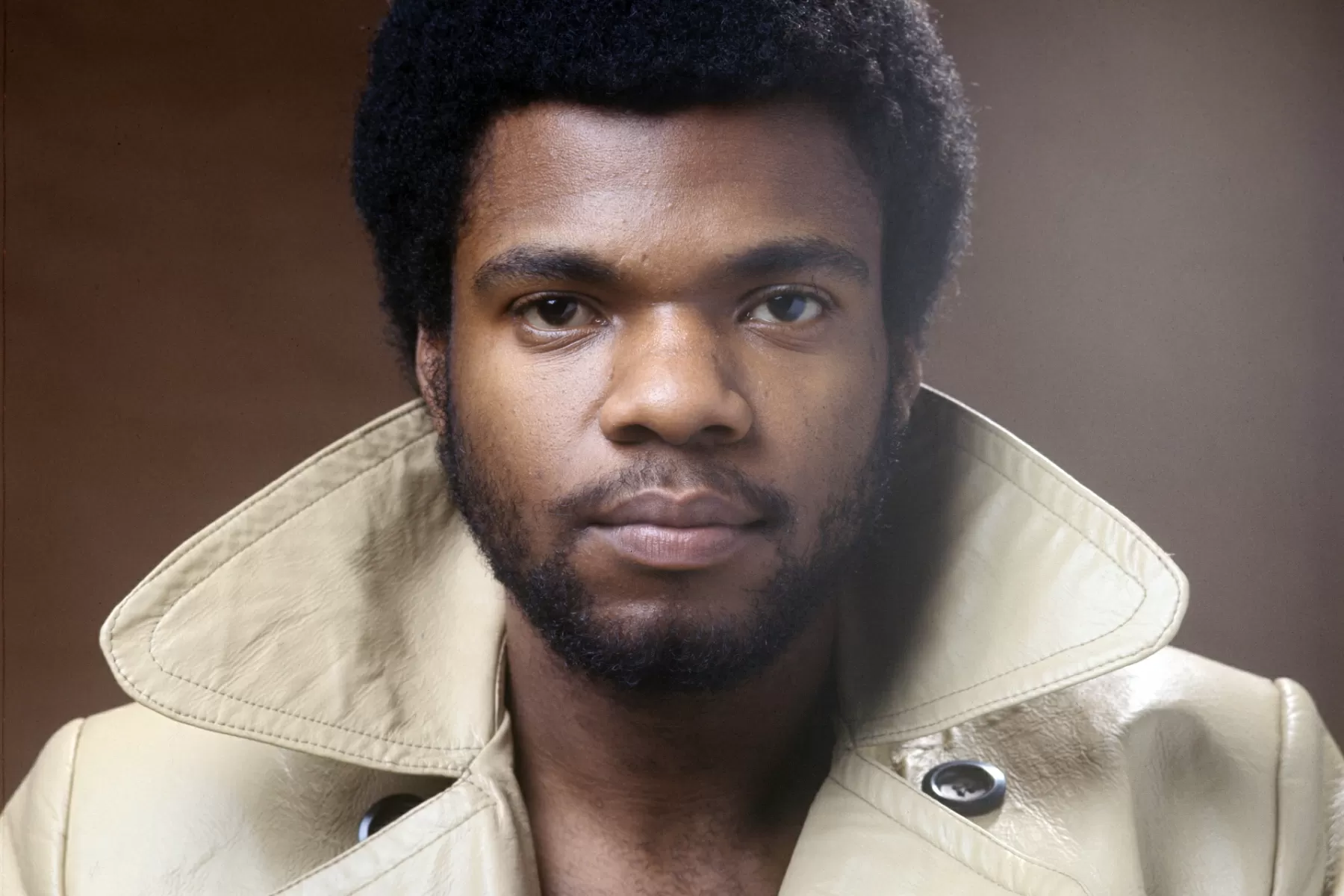
Billy Preston: That’s the Way God Planned It – A Musical Journey of Collaboration and Success
Billy Preston, known as the “Fifth Beatle”, was an incredibly talented musician who left an indelible mark on the music industry. His soulful voice and exceptional skills on the keyboard made him a sought-after collaborator for some of the biggest names in the business. From The Beatles to The Rolling Stones, Sly Stone to Barbra Streisand, Billy Preston’s music transcended genres and generations. And his album, aptly titled “That’s the Way God Planned It”, stands as a testament to his remarkable talent and the power of collaboration.
Released in 1969, “That’s the Way God Planned It” was Billy Preston’s fourth studio album. It featured a collection of songs that showcased his unique blend of gospel, soul, and rock music. But what made this album truly special was the list of collaborators that joined forces with Billy Preston to create a musical masterpiece.
One of the most significant collaborations on the album was with The Beatles. Billy Preston first met the iconic band in 1962 when they were touring together in Germany. He impressed them with his skills on the keyboard and was invited to play on their hit song “Get Back”. This marked the first time a guest musician was credited on a Beatles single. The success of “Get Back” led to Billy Preston’s involvement in the band’s final album, “Abbey Road”. His contributions can be heard on tracks such as “I Want You (She’s So Heavy)” and “Something”, which he played on the iconic Hammond organ. The Beatles’ influence on Billy Preston’s music is evident on “That’s the Way God Planned It”, with songs like “Do What You Want” and “Right Now” showcasing a similar sound to The Beatles’ work.
Another notable collaboration on the album was with The Rolling Stones. Billy Preston’s friendship with Mick Jagger and Keith Richards led to his involvement in their album “Sticky Fingers”. He played the piano on the hit song “Can’t You Hear Me Knocking” and also joined the band on their 1972 tour. The Stones’ influence can be heard on “That’s the Way God Planned It” in songs like “Let Us All Get Together Right Now” and “You’ve Been Acting Strange”, which have a similar rock and blues vibe.
But Billy Preston’s collaborations were not limited to just rock bands. He also worked with the legendary funk musician, Sly Stone. The two met while touring together in the late 1960s and quickly became friends. They collaborated on several songs, including the hit single “Hot Fun in the Summertime”. This friendship and musical connection can be heard on “That’s the Way God Planned It”, with the funky and upbeat track “That’s the Way God Planned It (Parts 1 & 2)”.
The album also featured collaborations with other influential musicians such as Eric Clapton, George Harrison, and Barbra Streisand. Eric Clapton, who was a fan of Billy Preston’s work, played guitar on the track “Morning Star”. George Harrison, who had previously worked with Billy Preston on The Beatles’ “Let It Be” album, played on “As I Get Older”. And Barbra Streisand joined forces with Billy Preston on the soulful ballad “All Things (Must) Pass”.
“That’s the Way God Planned It” was not only a showcase of Billy Preston’s collaborations with some of the biggest names in the music industry, but it also displayed his exceptional songwriting skills. The album’s title track, “That’s the Way God Planned It”, is a powerful and uplifting gospel song that became a hit single and earned Billy Preston a Grammy nomination.
In addition to the collaborations and songwriting, “That’s the Way God Planned It” also highlighted Billy Preston’s incredible vocal range and his ability to infuse soul and emotion into his music. His powerful voice can be heard on tracks like “The Same Thing Again” and “It Doesn’t Matter”, which showcase his versatility as an artist.
Unfortunately, “That’s the Way God Planned It” did not receive the recognition it deserved upon its initial release. However, over the years, it has become a cult classic and is considered one of Billy Preston’s best works. The album’s message of unity, love, and faith is still relevant today, making it a timeless piece
