
Maintaining good oral hygiene is essential for overall health and well-being. Brushing our teeth twice a day is a crucial part of this routine, but have you ever stopped to think about the type of toothbrush you use and how it affects your gum health? The truth is, the type of toothbrush you use can have a significant impact on the health of your gums. In this article, we will explore the differences between electric and manual toothbrushes, soft-bristle designs, and powered plaque removal, and how they can contribute to healthier gums.
Electric vs Manual Toothbrushes
The debate between electric and manual toothbrushes has been ongoing for years. While both types of toothbrushes can effectively clean your teeth, there are some key differences that can affect your gum health.
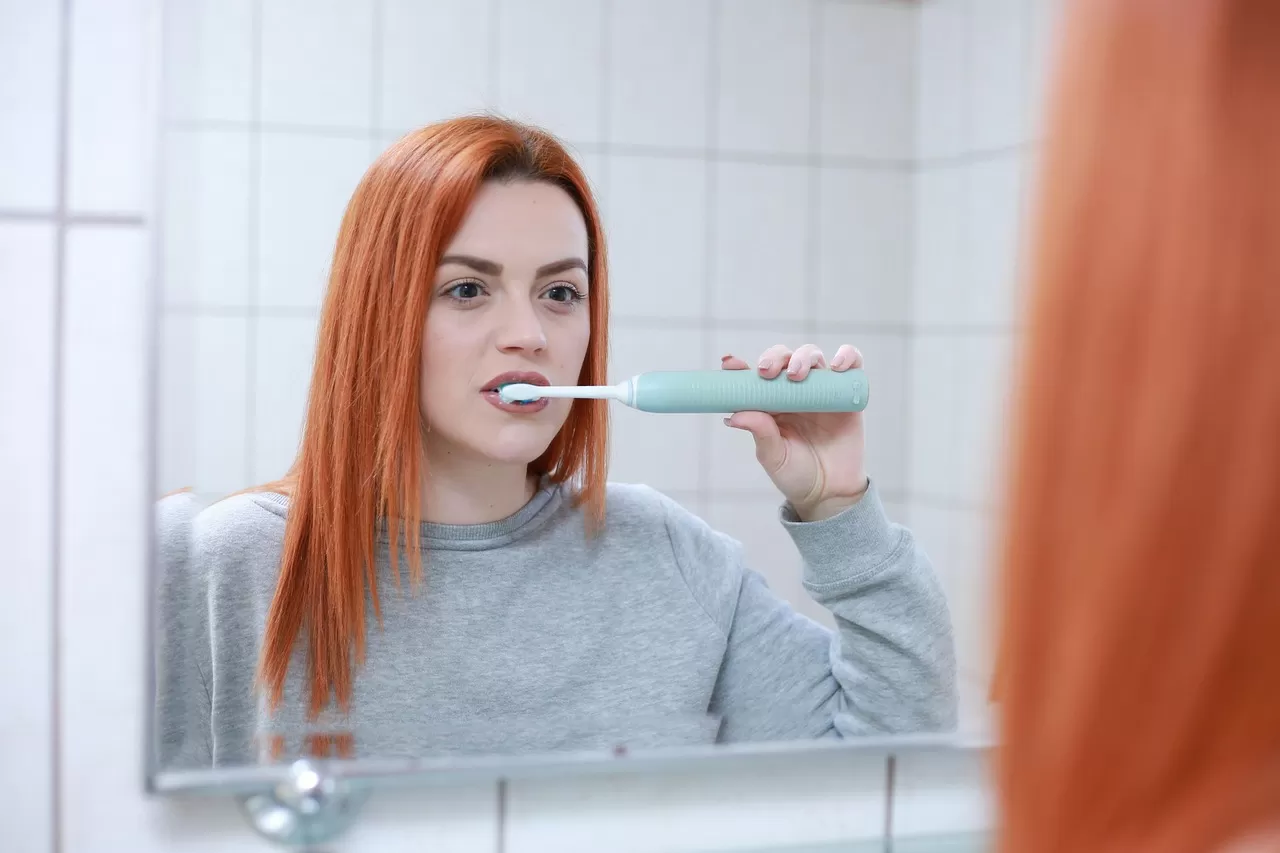
Electric toothbrushes are powered by a motor that moves the bristles in a circular or back-and-forth motion, providing a more thorough and consistent cleaning compared to manual toothbrushes. This can be especially beneficial for those who have difficulty brushing properly, such as children or individuals with limited dexterity.
Moreover, electric toothbrushes often come with a built-in timer, ensuring that you brush for the recommended two minutes. This can be helpful in preventing overbrushing, which can lead to gum recession and damage.
On the other hand, manual toothbrushes require more effort and technique to effectively clean your teeth. If not used correctly, they can cause gum irritation and recession. However, manual toothbrushes are more affordable and easily accessible, making them a popular choice for many.
Soft-Bristle Designs
Another important factor to consider when it comes to gum health is the type of bristles on your toothbrush. Soft-bristle toothbrushes are recommended by dentists as they are gentle on the gums and can effectively remove plaque and food particles without causing damage.
Hard-bristle toothbrushes, on the other hand, can be too abrasive and cause gum irritation and recession. They can also wear down the enamel on your teeth, making them more susceptible to cavities and sensitivity.
Powered Plaque Removal
Plaque is a sticky film of bacteria that forms on our teeth and can lead to gum disease if not removed regularly. While both electric and manual toothbrushes can effectively remove plaque, powered plaque removal tools, such as water flossers and sonic toothbrushes, can provide an extra level of cleaning.
Water flossers use a stream of water to remove plaque and food particles from between your teeth and along the gum line. This can be especially beneficial for those with braces or other dental appliances that make flossing difficult.
Sonic toothbrushes use high-frequency vibrations to break up plaque and provide a deeper clean compared to traditional toothbrushes. They are also gentle on the gums and can be a great option for those with sensitive teeth.
The Importance of Healthy Gums
Maintaining healthy gums is crucial for overall oral health. Gum disease, also known as periodontal disease, is a common condition that affects the gums and can lead to tooth loss if left untreated. It is caused by a buildup of plaque and bacteria along the gum line, which can irritate and inflame the gums.
Symptoms of gum disease include red, swollen, and bleeding gums, bad breath, and receding gums. If you experience any of these symptoms, it is important to visit your dentist for a proper diagnosis and treatment.
In addition to regular brushing and flossing, using the right type of toothbrush can help prevent gum disease and maintain healthy gums. It is also important to visit your dentist regularly for professional cleanings and check-ups.
In conclusion, the type of toothbrush you use can have a significant impact on the health of your gums. Electric toothbrushes can provide a more thorough and consistent cleaning, while soft-bristle designs and powered plaque removal tools can help prevent gum irritation and disease. Remember to brush your teeth twice a day for two minutes and visit your dentist regularly for a healthy and happy smile.
