
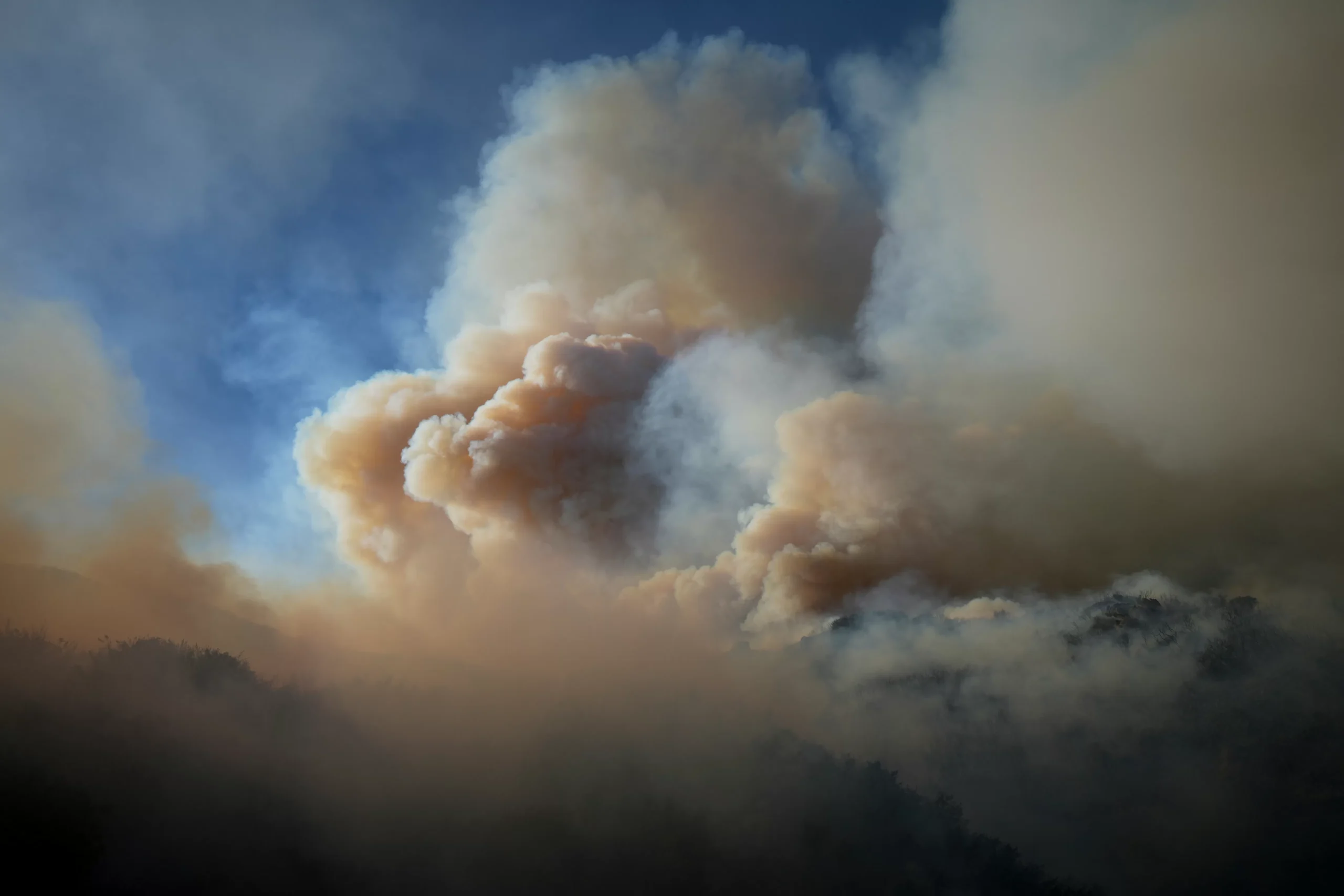
In recent years, wildfires have become an increasingly devastating problem in the United States. From the iconic orange skies over California to the thick smoke that blankets cities and towns, the impact of these fires is impossible to ignore. While the immediate and visible effects of wildfires are concerning, a new study has shed light on a more insidious consequence of these events – chronic exposure to wildfire smoke has been linked to tens of thousands of deaths annually in the United States.
The study, published on Wednesday in the journal Science Advances, examined the effects of long-term exposure to tiny particulates from wildfire smoke over a span of 15 years, from 2006 to 2020. The results are alarming – an average of 24,100 deaths per year can be attributed to the chronic exposure to pollution from wildfires. This number is more than double the previous estimates of 11,000 annual wildfire-related deaths.
The study’s findings highlight the urgent need for more action to address the growing problem of wildfires and their impact on human health. The researchers used data from the Environmental Protection Agency (EPA) and analyzed it in conjunction with satellite imagery of wildfire smoke to model the long-term exposure to air pollution.
The results showed that chronic exposure to wildfire smoke is particularly harmful to the most vulnerable populations – children, the elderly, and those with pre-existing respiratory and cardiovascular conditions. This is because the tiny particles, known as PM2.5, can penetrate deep into the lungs and enter the bloodstream, causing a range of health problems such as asthma, heart attacks, and even premature death.
The study’s lead author, Dr. Ana Rappold, a research epidemiologist at the EPA, stated, “This is the first study to examine the long-term impacts of wildfire smoke on mortality in the United States. Our findings highlight the need for further research and immediate action to mitigate the effects of wildfire smoke on human health.”
While the study focused on the United States, the impact of wildfires is a global issue. In recent years, devastating wildfires have ravaged countries such as Australia and Brazil, and the effects of these events are felt far beyond their borders. This study serves as a wake-up call to governments and policymakers worldwide to take action to prevent and mitigate the effects of wildfires.
The study also highlights the need for individuals to take precautions to protect themselves from the harmful effects of wildfire smoke. During periods of wildfire activity, it is crucial to monitor air quality levels and limit outdoor activities, especially for vulnerable populations. In addition, using air purifiers and wearing masks when going outside can help reduce exposure to harmful particles.
The researchers also stress the importance of addressing the root cause of the issue – climate change. Wildfires are becoming more frequent and severe due to rising temperatures, droughts, and other environmental factors. It is imperative to reduce greenhouse gas emissions and work towards a more sustainable future to prevent further damage to our planet and the health of its inhabitants.
The study’s findings serve as a stark reminder that the consequences of climate change are not just limited to extreme weather events but also have a profound impact on human health. We must act now to address this growing problem and protect the health and well-being of our communities.
In conclusion, the new study published in Science Advances has shed light on the devastating effects of chronic exposure to pollution from wildfires. The findings serve as a call to action for governments, policymakers, and individuals to take immediate and effective steps to address the issue. Together, we can work towards a healthy and sustainable future for all.
