
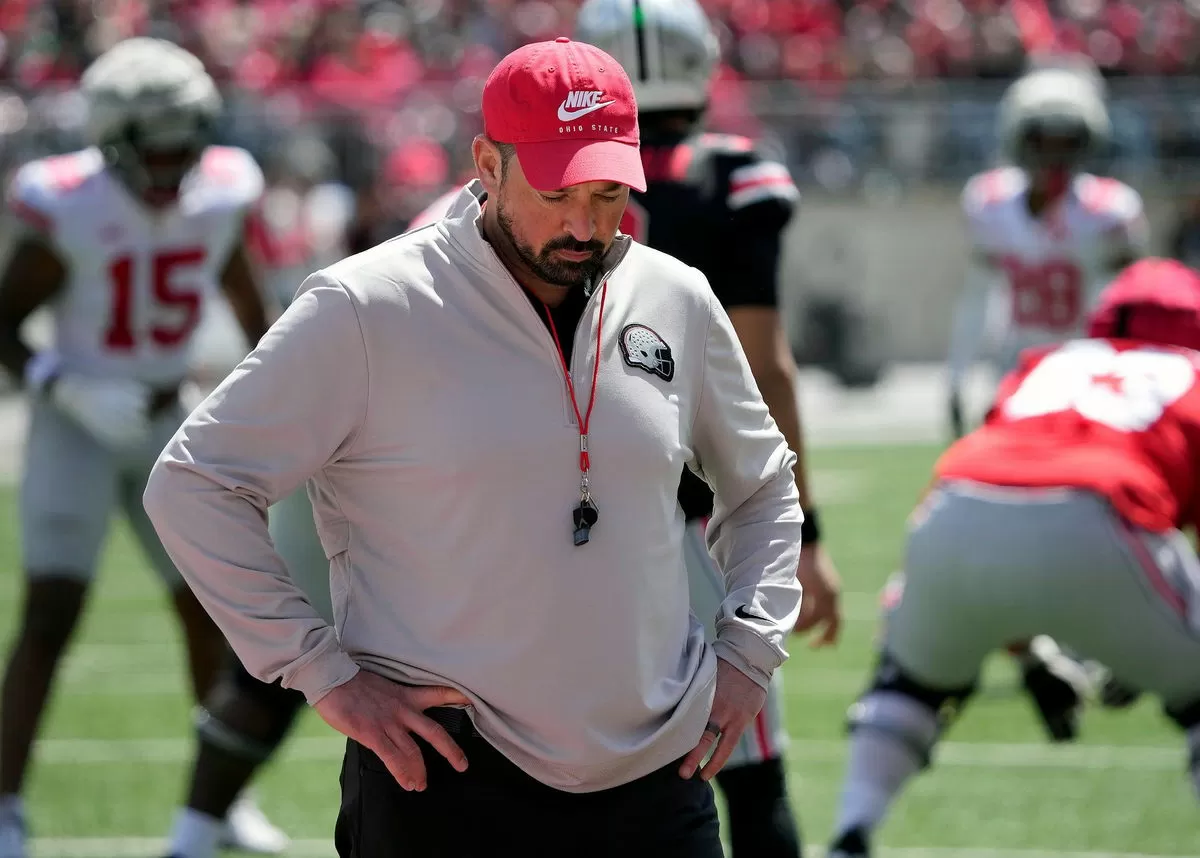
Last October, the world of college football was rocked by a bold move made by Wayne High School WR Jamier Brown. The highly-touted recruit, who had pledged to play for Ryan Day and Ohio State, decided to take a stand against the Ohio High School Athletic Association (OHSAA) and its ban on Name, Image, and Likeness (NIL) rights for student-athletes. Brown, with the support of his mother Jasmine Brown, who acted as his guardian, filed a lawsuit against the OHSAA, challenging their restrictive policy.
According to the complaint, Brown had the potential to earn over $100,000 through NIL opportunities, but the OHSAA’s ban prevented him from capitalizing on his own talent and hard work. This move by Brown not only highlights the unfairness of the current system but also sheds light on the larger issue of student-athletes being denied the right to profit from their own image and brand.
The timing of this lawsuit is crucial, as the NCAA is currently in the process of reviewing its NIL policies. With the growing popularity and commercialization of college sports, it is high time that student-athletes are given the opportunity to benefit from their own success. And Brown’s case is a perfect example of why this change is necessary.
The OHSAA’s ban on NIL rights not only restricts student-athletes from earning money, but it also hinders their personal and professional growth. In today’s digital age, social media presence and branding are crucial for any individual, especially for athletes. By denying them the right to promote themselves and their personal brand, the OHSAA is limiting their potential for future opportunities.
Moreover, the ban also goes against the principles of fair play and equal opportunity. Student-athletes put in countless hours of hard work and dedication to excel in their sport, and they deserve to be rewarded for their efforts. By prohibiting them from earning money through NIL, the OHSAA is creating an uneven playing field, where some athletes have the opportunity to profit from their talents, while others are denied this right.
It is heartening to see Brown and his mother take a stand against this unjust policy. Their courage and determination to fight for what is right should be commended. And while their lawsuit may have been unsuccessful, it has sparked a much-needed conversation about the rights of student-athletes and the need for change in the current system.
However, the sad news for Ryan Day and Ohio State is that Brown’s plea has gone unheard. As one of the top recruits in the country, Brown’s commitment to the Buckeyes was a major win for the program. But with this lawsuit, there is a possibility that Brown may reconsider his decision to play for Ohio State. And if he does, it would be a huge loss for the team.
But more than that, it would be a loss for the state of Ohio. Brown is a talented athlete with a bright future ahead of him, and it would be a shame if he is forced to leave his home state to pursue his dreams elsewhere. Ohio lawmakers need to realize the impact of their policies and take steps to rectify the situation before it’s too late.
In conclusion, Brown’s lawsuit against the OHSAA may not have yielded the desired result, but it has brought to light the need for change in the current system. It is time for the NCAA and state athletic associations to recognize the rights of student-athletes and allow them to benefit from their own success. And as for Brown, his fight for justice has only just begun, and we can only hope that he will emerge victorious in the end.
