
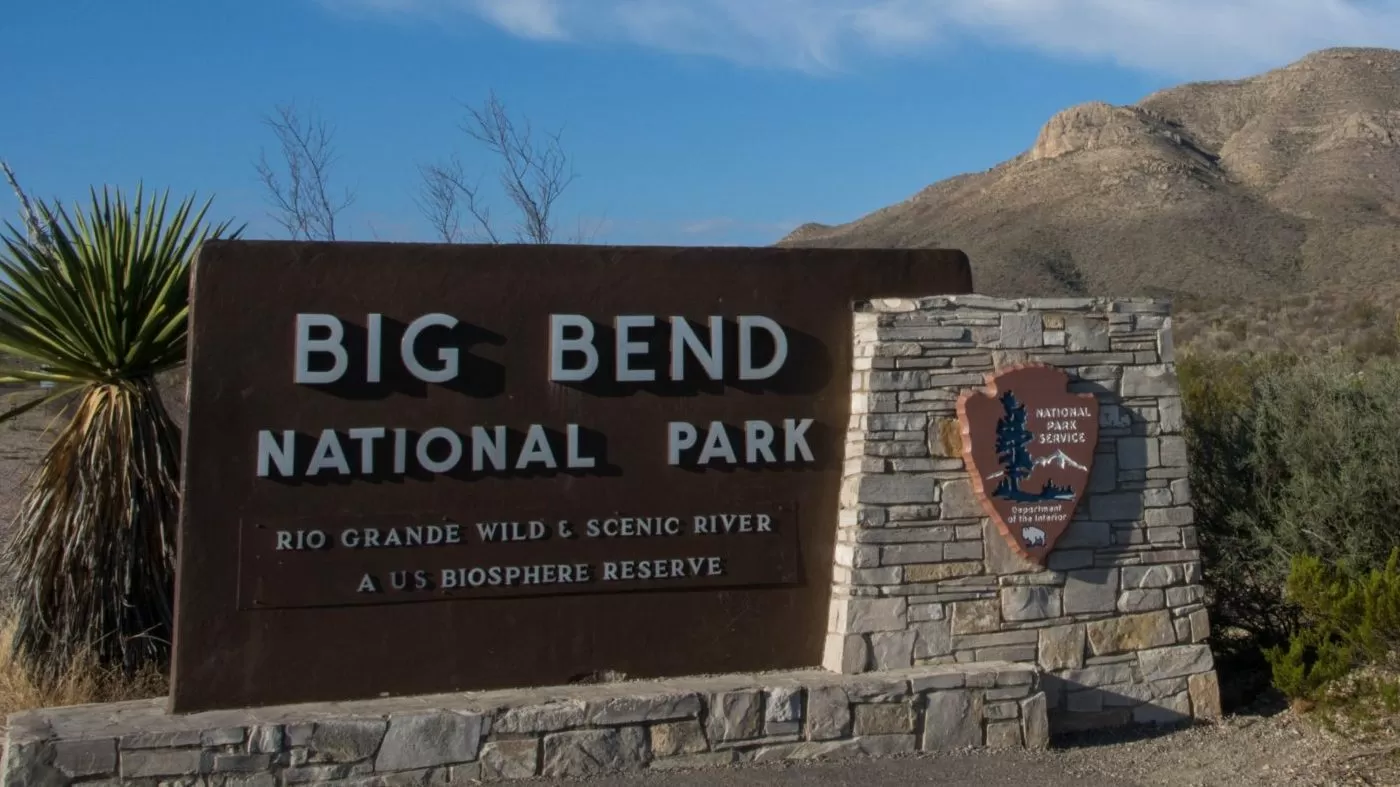
Big Bend National Park, located in Texas along the Rio Grande, is a stunning natural wonder that attracts visitors from all over the world. However, in recent years, the park has been facing a growing problem with invasive tamarisk trees. These trees, also known as salt cedars, have been taking over the park’s landscape, threatening the native vegetation and disrupting the delicate ecosystem.
In an effort to preserve the natural beauty of the park, the National Parks Service has announced a plan to remove these invasive trees from Feb. 12-28. The park resource crews will be cutting down the tamarisk trees and then treating the stumps with the herbicide triclopyr. This method has been proven to effectively kill the trees and prevent them from regrowing.
The decision to remove the tamarisk trees was not taken lightly. The National Parks Service conducted extensive research and consulted with experts before coming up with this plan. It was found that these trees not only harm the native plants, but they also consume large amounts of water, which is a precious resource in the desert environment of Big Bend National Park.
The removal of these trees will not only benefit the park’s ecosystem but also improve the overall visitor experience. The tamarisk trees tend to grow in dense clusters, blocking the views and making it difficult for visitors to access certain areas of the park. With their removal, visitors will be able to fully appreciate the natural beauty of the park and explore it without any hindrance.
The park’s hot springs area, in particular, has been heavily affected by the invasive trees. The hot springs, which are a popular attraction for visitors, have been surrounded by tamarisk trees, making it difficult for visitors to access and enjoy them. With the removal of these trees, the hot springs will once again be easily accessible and a must-visit spot for park-goers.
The National Parks Service has assured that the use of triclopyr is safe for both the environment and humans. The herbicide will only be applied to the stumps of the trees and will not affect any other plants or animals in the area. In fact, the removal of the tamarisk trees will create more space and resources for the native plants to thrive, ultimately benefiting the entire ecosystem.
The park resource crews have been trained and equipped to handle this task efficiently and safely. They will also be monitoring the area after the removal to ensure that no new tamarisk trees sprout up. The National Parks Service is committed to preserving the natural beauty and diversity of Big Bend National Park, and this effort to remove the invasive trees is a testament to that commitment.
The removal of the tamarisk trees is just one step in the ongoing conservation efforts of Big Bend National Park. The park has a long history of preserving its unique ecosystem and providing visitors with an unforgettable experience. This latest initiative will only enhance the park’s beauty and make it an even more desirable destination for nature lovers.
The National Parks Service urges visitors to be patient and understanding during the tree removal process. While there may be some temporary inconveniences, the long-term benefits for the park and its visitors are immeasurable. The park will remain open during this time, and visitors are encouraged to explore and enjoy the other areas of the park.
In conclusion, the National Parks Service’s decision to remove the invasive tamarisk trees from Big Bend National Park is a commendable effort towards preserving the park’s natural beauty and protecting its delicate ecosystem. This initiative will not only benefit the park but also enhance the visitor experience. So let us all support and appreciate this important step towards preserving our beloved national park.
