
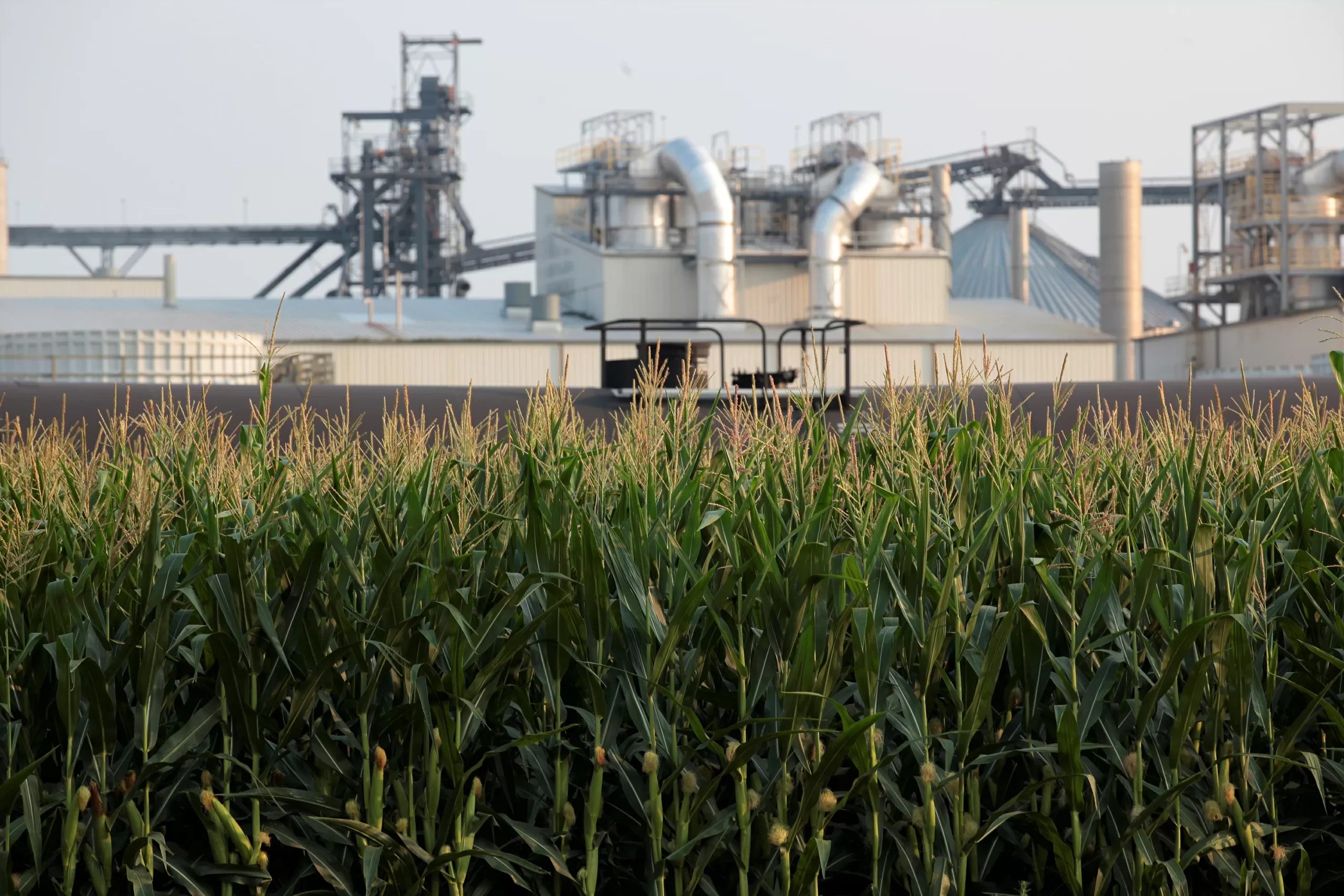
President Trump is making good on his promise to support year-round sales of high-ethanol gasoline, also known as E15, despite ongoing debates in Congress over the issue. During a recent speech in Iowa, Trump reiterated his commitment to the ethanol industry, stating, “In the campaign, I promised to support E15 all year round. And now, I am trusting Speaker [Paul] Ryan to get it done.”
The move to support year-round sales of E15 is seen as a major victory for the ethanol industry, which has been pushing for this change for years. Currently, E15 can only be sold during the summer months due to regulations that restrict the volatility of gasoline, which is higher in E15 compared to traditional gasoline. This restriction has been a major barrier for the ethanol industry, limiting their sales and market share.
With Trump’s support, the ethanol industry is hopeful that this hurdle will finally be removed, allowing for year-round sales of E15. This would not only benefit the industry but also American farmers who produce the corn used to make ethanol. E15, with its higher ethanol content of up to 15 percent, is a more environmentally friendly and cost-effective fuel option for consumers, and its year-round availability would provide a boost to the struggling farming sector.
Trump’s backing of E15 also aligns with his administration’s goal of promoting energy independence and reducing reliance on foreign oil. By supporting the ethanol industry, the US can reduce its dependence on imported oil and strengthen its domestic energy production. This move also supports Trump’s “America First” agenda, which prioritizes the interests of American citizens and businesses.
The President’s announcement has been met with enthusiasm from both the ethanol industry and Iowa farmers. Iowa is the largest producer of ethanol in the US, and the state has been a strong supporter of Trump since the 2016 election. Trump’s visit to Iowa and his support for E15 is seen as a gesture of appreciation to the state and its farmers.
However, the issue of year-round sales of E15 is not without controversy. Some critics argue that allowing E15 to be sold year-round could lead to engine damage in older vehicles that are not designed to handle the higher ethanol content. They also raise concerns about the impact of increased ethanol production on food prices, as corn is a staple crop used for both food and fuel production.
Despite these concerns, the ethanol industry has assured that E15 is safe for all vehicles made after 2001 and that the increase in ethanol production has not affected food prices significantly. They also argue that the benefits of year-round sales of E15, such as reduced emissions and lower fuel costs, far outweigh any potential drawbacks.
In addition to supporting E15, Trump also announced plans to allow the sale of E15 through existing infrastructure, such as gas stations, without the need for expensive modifications. This move would make it easier for consumers to access E15 and further promote its use.
The President’s support for E15 comes at a crucial time for the ethanol industry, which has been struggling due to the ongoing trade war with China and the Environmental Protection Agency’s (EPA) decision to grant waivers to small refineries, exempting them from their biofuel blending obligations. These waivers have significantly reduced the demand for ethanol and caused financial strain for the industry.
Trump’s decision to support E15 and his call for Speaker Ryan to take action on the issue is a significant step towards fulfilling his campaign promise and supporting the ethanol industry. It also sends a strong message of support to American farmers and the agriculture sector as a whole.
In conclusion, President Trump’s endorsement of year-round sales of E15 is a major win for the ethanol industry and American farmers. It aligns with his administration’s goals of promoting energy independence and supporting domestic industries. With the President’s backing, the ethanol industry is hopeful that the barriers to year-round sales of E15 will be removed, allowing for increased production and market share. This move not only benefits the ethanol industry but also has positive implications for the environment, the economy, and American consumers.
