
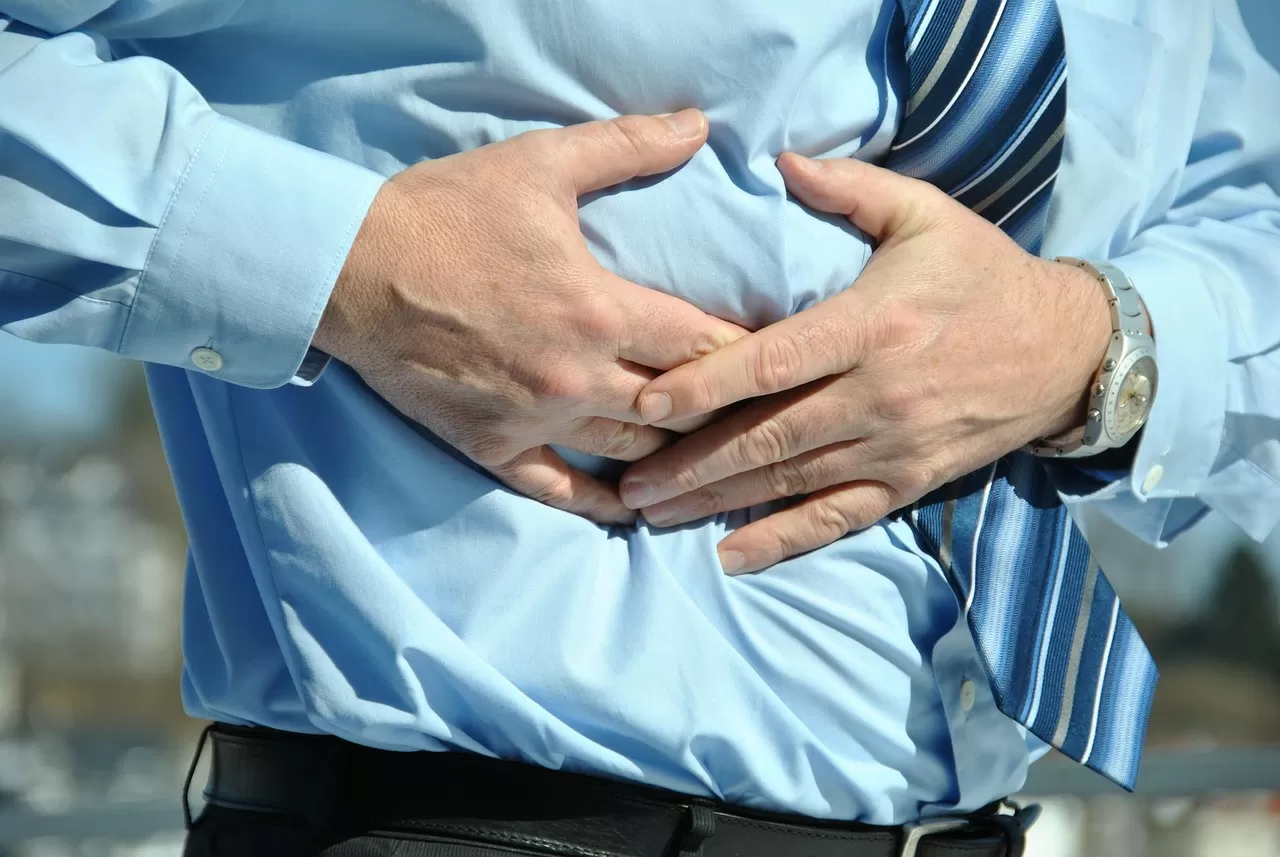
Gallstones are a common digestive health issue that affects millions of people every year. These small, hard deposits form in the gallbladder, a small organ located just below the liver. While many people may have gallstones without experiencing any symptoms, for others, they can cause severe pain and discomfort. In this article, we will learn about gallstones symptoms and gallbladder pain, their causes, diagnosis, treatment options, and when to seek emergency care for digestive health.
Symptoms of Gallstones:
Gallstones do not always cause symptoms, and many people may not even know they have them. However, when symptoms do occur, they can range from mild to severe and may include:
1. Abdominal pain: The most common symptom of gallstones is pain in the upper right part of the abdomen. This pain can be sharp or dull and may come and go.
2. Nausea and vomiting: Gallstones can cause nausea and vomiting, especially after eating a fatty meal.
3. Jaundice: If a gallstone blocks the bile duct, it can lead to jaundice, a yellowing of the skin and whites of the eyes.
4. Fever and chills: An infection in the gallbladder or bile duct may cause fever and chills.
5. Changes in bowel movements: Gallstones can cause changes in bowel movements, including diarrhea or constipation.
If you experience any of these symptoms, it is essential to see a doctor for proper diagnosis and treatment.
Causes of Gallstones:
Gallstones form when there is an imbalance in the substances that make up bile, a fluid that helps break down fats in the small intestine. There are two main types of gallstones: cholesterol stones and pigment stones.
1. Cholesterol stones: These are the most common type of gallstones and are made up of cholesterol and other substances found in bile.
2. Pigment stones: These stones are made up of bilirubin, a substance that gives bile its dark color.
Several factors can contribute to the formation of gallstones, including:
1. Excess cholesterol in bile: When there is too much cholesterol in the bile, it can form into stones.
2. Obesity: Being overweight or obese can increase the risk of developing gallstones.
3. Family history: If someone in your family has had gallstones, you may be more likely to develop them.
4. Age and gender: Gallstones are more common in women over the age of 40.
Diagnosis of Gallstones:
If you have symptoms of gallstones, your doctor may recommend several tests to confirm the diagnosis. These may include:
1. Ultrasound: This is the most common test used to diagnose gallstones. It uses sound waves to create images of the gallbladder and can detect the presence of gallstones.
2. Blood tests: Your doctor may order blood tests to check for signs of infection or to see if your liver function is affected.
3. CT scan: A CT scan can provide more detailed images of the gallbladder and bile ducts.
Treatment Options for Gallstones:
If you have gallstones that are not causing symptoms, your doctor may recommend monitoring them and making lifestyle changes to prevent them from growing or causing problems. However, if you are experiencing symptoms, your doctor may suggest one of the following treatments:
1. Medications: Certain medications can dissolve cholesterol stones, but they may take months or even years to work.
2. Surgery: The most common treatment for gallstones is surgery to remove the gallbladder, called a cholecystectomy. This is a safe and effective procedure, and most people can live a normal life without a gallbladder.
3. Endoscopic retrograde cholangiopancreatography (ERCP): In some cases, doctors may use this procedure to remove stones from the bile ducts.
When to Seek Emergency Care for Gallstones:
While most gallstones do not require emergency care, there are situations where you should seek immediate medical attention. These include:
1. Severe abdominal pain: If you have severe, unrelenting pain in the upper right part of your abdomen, it could be a sign of a gallbladder infection or a blocked bile duct.
2. High fever: A fever over 101°F (38.3°C) can be a sign of an infection and requires immediate medical attention.
3. Jaundice: If you notice yellowing
