
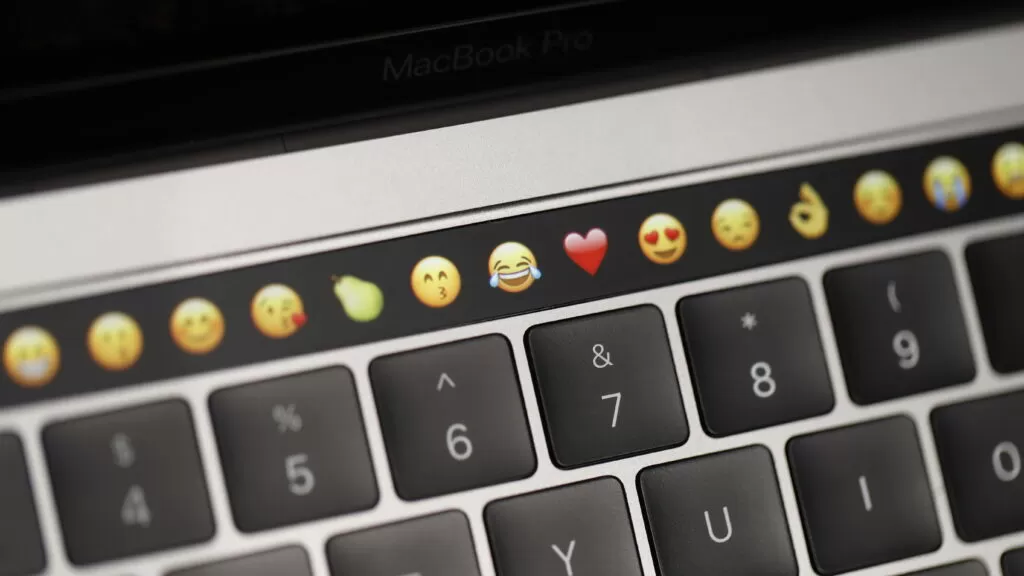
New research has raised an interesting question – could the use of emojis in clinical records potentially impact patient understanding, perceived professionalism, and even legal liability? While emojis have become a ubiquitous part of our daily communication, their use in the healthcare field is relatively new and has sparked a debate among healthcare professionals.
Emojis, which are small digital images or icons that represent emotions, objects, or ideas, have become a popular means of communication in recent years. They have become an integral part of texting, social media, and even email conversations. However, the use of emojis in a more formal setting, such as clinical records, has raised concerns about their potential impact on patient care.
A recent study conducted by researchers at the University of Michigan Medical School examined the use of emojis in clinical notes and how it may affect patient understanding, perceived professionalism, and legal liability. The study found that emojis were being used in clinical records, with the most common ones being the smiling face, thumbs up, and heart emojis. The researchers also found that the use of emojis varied among different healthcare providers, with younger providers more likely to use them compared to their older counterparts.
One of the main concerns raised by the study is the potential impact of emojis on patient understanding. While emojis are generally considered to be a form of nonverbal communication, their meaning can be subjective and open to interpretation. This could lead to confusion or misinterpretation of the information being conveyed in the clinical record, potentially affecting the patient’s understanding of their condition and treatment plan.
Moreover, the use of emojis in clinical records could also impact the perceived professionalism of healthcare providers. The healthcare field is known for its formal and serious nature, and the use of emojis may be seen as unprofessional or even disrespectful by some patients. This could potentially damage the trust and credibility of healthcare providers in the eyes of their patients.
Another concern raised by the study is the potential legal implications of using emojis in clinical records. In the event of a medical malpractice lawsuit, the use of emojis could be seen as unprofessional or even negligent, leading to legal liability for healthcare providers. This could have serious consequences for both the healthcare provider and the patient.
However, it’s important to note that the use of emojis in clinical records is not entirely negative. In fact, some healthcare professionals argue that emojis can be a useful tool in enhancing communication with patients. Emojis can be used to convey empathy, reassurance, or even to lighten up a serious conversation. They can also be helpful in breaking down language barriers and making communication more accessible to patients with limited English proficiency.
Furthermore, the use of emojis in clinical records could also help to humanize the often impersonal and intimidating world of healthcare. It can help to build a sense of rapport and connection between healthcare providers and their patients, ultimately leading to better patient satisfaction and outcomes.
So, what is the verdict on the use of emojis in clinical records? While there are valid concerns about their potential impact on patient understanding, perceived professionalism, and legal liability, it’s important to consider the context and intention behind their use. Inappropriate or excessive use of emojis should be avoided, but when used appropriately, they can be a valuable tool in enhancing communication and building relationships with patients.
In conclusion, the use of emojis in clinical records is a relatively new phenomenon that has sparked a debate among healthcare professionals. While there are valid concerns about their potential impact on patient care, it’s important to also consider the potential benefits they can bring. More research is needed to fully understand the implications of emoji use in clinical records, but for now, it’s up to healthcare providers to use their discretion and judgement when deciding whether to use emojis in their communication with patients.
