
The Trump administration is once again making headlines with its latest proposal to impose more limitations on states’ authorities to block energy projects that run through their waters. This move has sparked both support and criticism, with the administration defending its decision as a necessary step to prevent states from shutting down projects for “political purposes.”
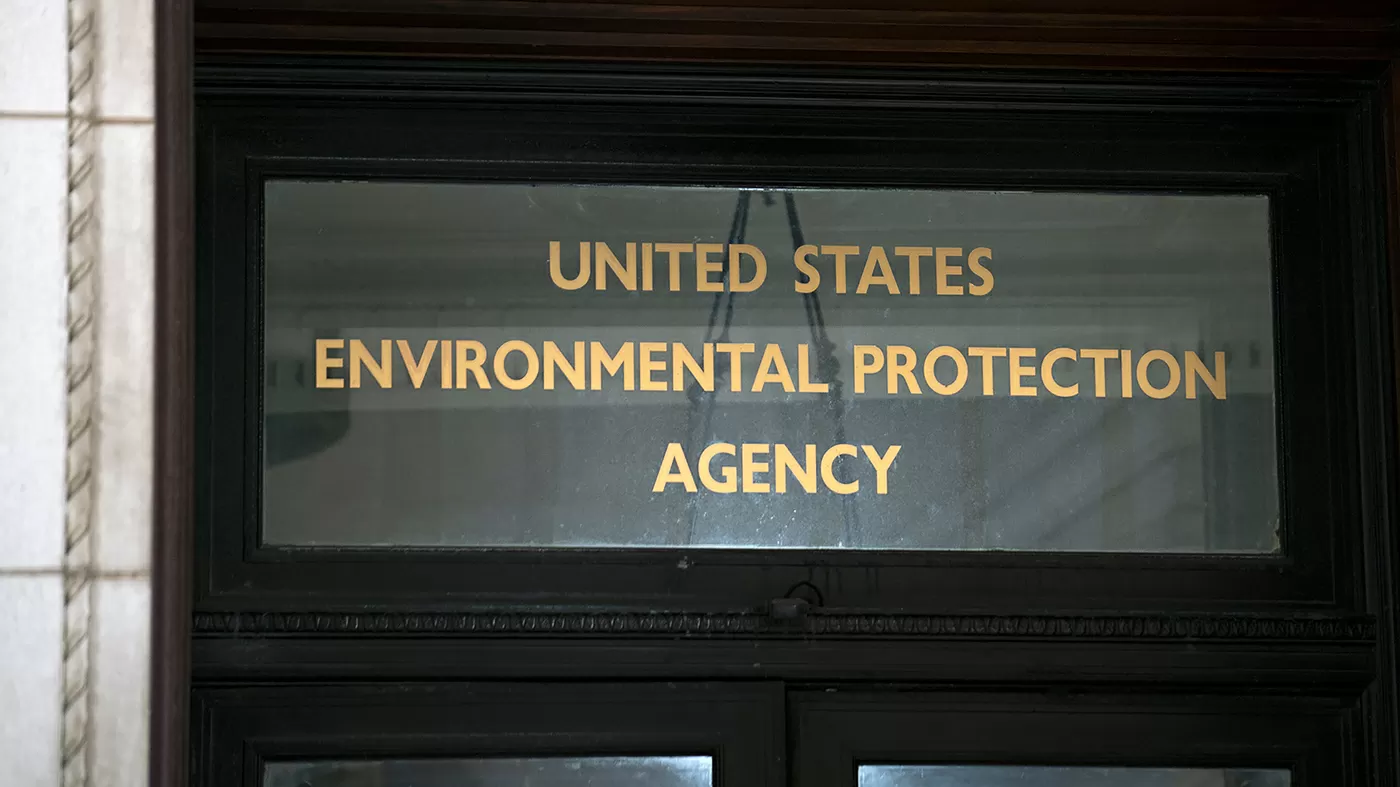
Jess Kramer, who leads the Environmental Protection Agency’s water office, recently announced the proposed changes in a press conference. According to Kramer, the Trump administration is taking action to ensure that states do not have the power to halt energy projects for reasons other than legitimate environmental concerns.
The proposed changes would affect the Clean Water Act, a federal law that regulates the discharge of pollutants into the nation’s waters. Under the current law, states have the authority to issue or deny permits for projects that could potentially harm their waters. This includes pipelines, oil and gas terminals, and other energy infrastructure projects.
However, the Trump administration argues that some states have been abusing this authority by using it as a tool to block energy projects for political reasons. This has led to delays and increased costs for companies seeking to build these projects, ultimately hindering the country’s energy development.
In response, the administration is proposing to limit the scope of states’ authority under the Clean Water Act. The changes would require states to make decisions on permit applications within a strict timeline and provide a detailed explanation if they choose to deny a permit. It would also give the federal government the final say in issuing permits for projects that cross state lines.
The move has been welcomed by the energy industry, which has long been at odds with states over the permitting process. The industry argues that the current system allows states to hold projects hostage, causing unnecessary delays and uncertainty for investors. They believe that the proposed changes will provide much-needed clarity and streamline the permitting process, making it easier to build energy infrastructure.
On the other hand, environmental groups and some states have expressed concerns over the proposed changes. They argue that the Trump administration is trying to strip states of their rights and undermine their ability to protect their waters. They also fear that the changes will weaken environmental regulations and lead to increased pollution in the country’s waters.
However, the Trump administration maintains that the proposed changes will not compromise environmental protection. In fact, they argue that it will improve the process by ensuring that projects are thoroughly reviewed and meet all necessary environmental standards. They also point out that states will still have the authority to deny permits if there are legitimate concerns about the project’s impact on their waters.
The proposed changes have yet to be finalized, and the public will have the opportunity to provide feedback during a 60-day comment period. The Trump administration is hopeful that the changes will be implemented by the end of the year, but it is likely to face legal challenges from states and environmental groups.
In conclusion, the Trump administration’s proposal to limit states’ authority to block energy projects in their waters has sparked a heated debate. While the move has been welcomed by the energy industry, it has faced criticism from environmental groups and some states. However, the administration maintains that the changes are necessary to prevent states from using their authority for political purposes and to ensure that the country’s energy development is not hindered. As the proposal moves forward, it will be interesting to see how it will impact the energy sector and the environment in the long run.
