
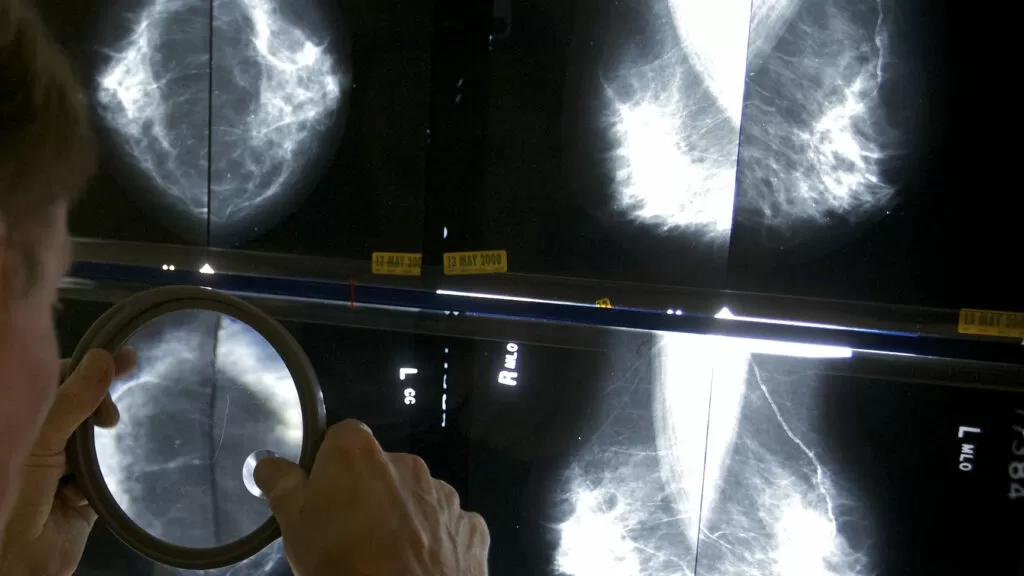
In recent years, artificial intelligence (AI) has made significant strides in the field of healthcare. From detecting diseases to aiding in treatment, AI has proven to be a valuable tool in improving patient outcomes. And now, a new generation of AI algorithms is taking things a step further by not only detecting cancers but also predicting the risk for cardiovascular diseases.
Cardiovascular diseases, including heart attacks and strokes, are the leading cause of death globally. According to the World Health Organization, an estimated 17.9 million people die each year from these diseases, accounting for 31% of all deaths worldwide. With such alarming statistics, it is crucial to find ways to predict and prevent these diseases before they become life-threatening.
This is where AI comes in. Traditional methods of predicting cardiovascular diseases involve analyzing risk factors such as age, gender, family history, and lifestyle habits. While these factors are essential, they do not always provide a complete picture of an individual’s risk. This is where AI algorithms can make a significant difference.
The new generation of AI algorithms uses machine learning techniques to analyze vast amounts of data, including medical records, genetic information, and lifestyle habits. By doing so, they can identify patterns and trends that may not be apparent to human doctors. This allows for a more accurate prediction of an individual’s risk for cardiovascular diseases.
One such AI algorithm is the Cardiovascular Disease Risk Algorithm (CVRA), developed by researchers at the University of Nottingham in the UK. The algorithm uses machine learning to analyze data from over 378,000 patients and can accurately predict an individual’s risk of developing cardiovascular diseases within the next ten years. This is a significant improvement from traditional methods, which can only predict risk for the next five years.
Another promising AI algorithm is the DeepHeart algorithm, developed by researchers at the University of California, San Francisco. This algorithm uses data from wearable devices, such as smartwatches, to predict an individual’s risk for developing cardiovascular diseases. By continuously monitoring heart rate, physical activity, and sleep patterns, the algorithm can detect early signs of heart disease and alert the individual to seek medical attention.
The potential of these AI algorithms goes beyond predicting risk for cardiovascular diseases. They can also help in early detection and treatment. For example, the CVRA algorithm can identify individuals at high risk for heart disease, allowing doctors to intervene early and prevent the disease from progressing. This can save lives and reduce the burden on healthcare systems.
Moreover, these AI algorithms can also help in personalized treatment plans. By analyzing an individual’s data, the algorithms can identify the most effective treatment options for that particular person. This can lead to better outcomes and reduce the risk of adverse effects from treatments that may not be suitable for the individual.
The development of these AI algorithms is a significant step towards precision medicine, where treatments are tailored to an individual’s unique characteristics. This approach has the potential to revolutionize healthcare and improve patient outcomes significantly.
However, like any new technology, there are challenges that need to be addressed. One of the main concerns is the ethical use of AI algorithms. There are concerns about data privacy and the potential for bias in the algorithms. It is crucial for researchers and developers to address these issues and ensure that the algorithms are used ethically and responsibly.
In conclusion, the new generation of AI algorithms that can predict the risk for cardiovascular diseases is a game-changer in the field of healthcare. These algorithms have the potential to save lives, improve patient outcomes, and reduce the burden on healthcare systems. With further research and development, we can expect to see even more advanced AI algorithms that can help us lead healthier lives. The future of healthcare looks bright, thanks to the power of AI.
