
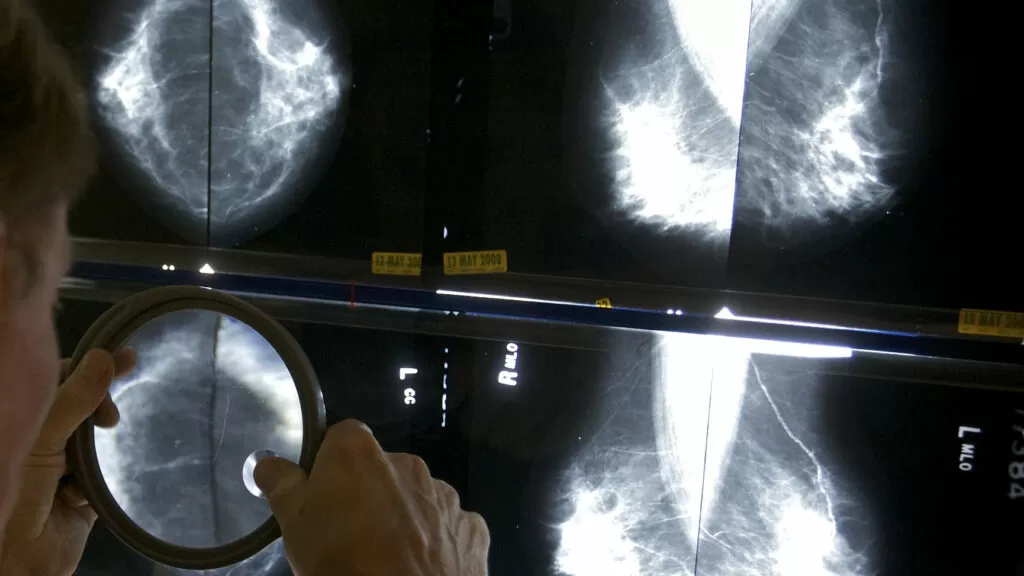
In recent years, artificial intelligence (AI) has made significant strides in the field of healthcare. From detecting diseases to assisting in surgeries, AI has proven to be a valuable tool in improving patient outcomes. And now, a new generation of AI algorithms is taking it a step further by not only detecting cancers but also predicting the risk for cardiovascular diseases.
Cardiovascular diseases, such as heart attacks and strokes, are the leading cause of death globally. According to the World Health Organization, an estimated 17.9 million people die each year from cardiovascular diseases, accounting for 31% of all deaths worldwide. These numbers are alarming, and it is clear that more needs to be done to prevent and treat these conditions.
Traditionally, doctors have relied on risk assessment tools, such as the Framingham Risk Score, to predict a person’s risk for developing cardiovascular diseases. These tools take into account factors like age, gender, blood pressure, cholesterol levels, and smoking status. However, these tools have their limitations, and they do not always accurately predict an individual’s risk.
This is where AI comes in. With the advancements in technology and the availability of vast amounts of data, AI algorithms can now analyze and interpret this data to predict an individual’s risk for cardiovascular diseases. These algorithms use machine learning techniques to identify patterns and trends in the data, allowing them to make more accurate predictions.
One such AI algorithm is the Cardiovascular Disease Profile (CVD-P), developed by researchers at the University of Nottingham in the UK. This algorithm uses data from electronic health records, such as blood tests, medical history, and lifestyle factors, to predict an individual’s risk for developing cardiovascular diseases. The CVD-P has shown promising results, with a study showing that it outperformed traditional risk assessment tools in predicting the risk of heart disease.
Another AI algorithm, developed by researchers at the University of Oxford, uses machine learning to analyze images of the heart and predict the risk of heart attacks. This algorithm looks for subtle changes in the structure and function of the heart that may indicate an increased risk of heart attacks. By identifying these changes, doctors can intervene early and prevent a heart attack from occurring.
These AI algorithms not only have the potential to predict the risk of cardiovascular diseases but also to identify those at high risk who may benefit from early interventions. This could include lifestyle changes, such as diet and exercise, or medication to control blood pressure and cholesterol levels. By identifying high-risk individuals and intervening early, we can potentially save lives and reduce the burden of cardiovascular diseases.
Moreover, these AI algorithms can also help in personalized medicine. Each individual is unique, and their risk factors for developing cardiovascular diseases may differ. AI algorithms can take into account a person’s specific risk factors and provide personalized risk assessments. This can help doctors tailor treatments and interventions to each individual, leading to better outcomes.
The potential of these AI algorithms goes beyond predicting the risk of cardiovascular diseases. They can also assist in the development of new treatments and medications. By analyzing vast amounts of data, AI algorithms can identify new patterns and trends that may lead to the discovery of new treatments for cardiovascular diseases. This could potentially revolutionize the way we treat and manage these conditions.
However, it is essential to note that these AI algorithms are not meant to replace doctors. They are meant to assist and support them in making more accurate and timely diagnoses and treatment decisions. Doctors will still play a crucial role in interpreting the results and providing personalized care to their patients.
In conclusion, the development of AI algorithms that can predict the risk of cardiovascular diseases is a significant step forward in the field of healthcare. These algorithms have the potential to save lives, improve patient outcomes, and revolutionize the way we approach the prevention and treatment of cardiovascular diseases. With further research and advancements in technology, we can expect to see even more sophisticated AI algorithms that will continue to push the boundaries of what is possible in healthcare. The future of medicine is exciting, and AI is playing a crucial role in shaping it for the better.
