
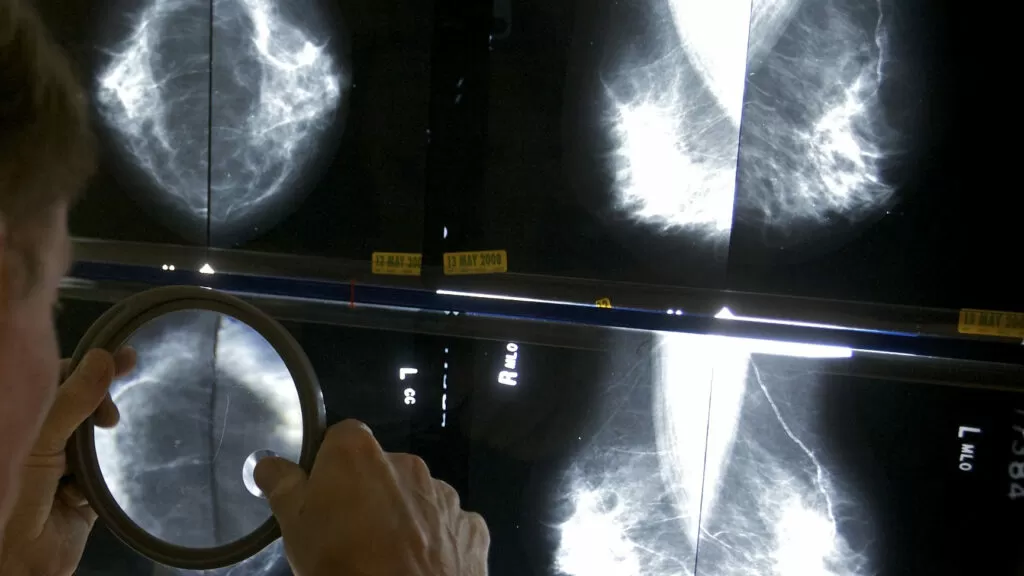
In recent years, artificial intelligence (AI) has made significant strides in the healthcare industry. From diagnosing diseases to predicting treatment outcomes, AI has proven to be a valuable tool in the fight against illnesses. And now, a new generation of AI algorithms is emerging with the goal of going beyond just detecting cancers – they aim to predict the risk for cardiovascular diseases.
This is a significant development in the field of healthcare, as cardiovascular diseases (CVDs) continue to be a leading cause of death worldwide. According to the World Health Organization, an estimated 17.9 million people die from CVDs each year, accounting for about 31% of all global deaths. These alarming numbers highlight the urgent need for innovative solutions to combat CVDs and save lives.
Traditional methods for predicting the risk of CVDs involve assessing a patient’s risk factors such as age, gender, blood pressure, and cholesterol levels. While effective, these methods have limitations. They only consider a few risk factors, and they may not accurately predict the risk for each individual. This is where AI algorithms come in.
The new generation of AI algorithms is based on machine learning techniques, which enable computers to learn from data without being explicitly programmed. These algorithms can analyze vast amounts of data, including medical records, genetics, and lifestyle information, to identify patterns and make predictions. As more data is fed into the algorithms, they become more accurate in predicting an individual’s risk for CVDs.
One of the main advantages of using AI algorithms for CVD risk prediction is their ability to consider a wide range of risk factors simultaneously. This includes factors that may not be traditionally associated with CVDs, such as air pollution, stress levels, and even social media behavior. By incorporating all these factors, AI algorithms can provide a more comprehensive and personalized risk assessment for each individual.
But how exactly can AI algorithms predict the risk for CVDs? Let’s take a closer look at some of the key areas where these algorithms are making a difference:
Cardiovascular Imaging: AI algorithms can analyze images from various imaging modalities, such as MRI and CT scans, to identify abnormalities in the heart and blood vessels. This can help in the early detection of CVDs, providing the opportunity for timely intervention and prevention.
Genetic Analysis: AI algorithms can analyze an individual’s genetic data to identify any gene variants that may increase their risk for CVDs. This information can be used to develop personalized prevention strategies and inform treatment decisions.
Medical Records Analysis: By analyzing a patient’s medical history, including past diagnoses, medications, and procedures, AI algorithms can identify patterns and identify those at higher risk of developing CVDs. This can help in early detection and treatment, potentially saving lives.
Lifestyle Analysis: AI algorithms can analyze lifestyle data, such as exercise habits, diet, and sleep patterns, to identify risk factors and make personalized recommendations for prevention and management of CVDs.
It’s clear that the potential of AI algorithms in predicting the risk for CVDs is immense. But what makes them even more promising is their ability to continuously learn and improve. As more data is fed into these algorithms, they can fine-tune their predictions and become even more accurate.
The development of these AI algorithms is a collaborative effort involving researchers, healthcare providers, and technology companies. Together, they are working towards creating a powerful and sophisticated tool to aid in the prevention and management of CVDs. But the road ahead is not without challenges.
One of the main challenges is ensuring the ethical use of AI algorithms. As these algorithms become more integrated into healthcare systems, it’s crucial to maintain patient privacy and protect sensitive data. Additionally, there is a need for transparency and accountability in the development and deployment of these algorithms to ensure they are unbiased and do not perpetuate any existing healthcare disparities.
Despite these challenges, the potential of AI algorithms in predicting the risk for CVDs is undeniable. They have the potential to transform the way we approach healthcare and save countless lives. With ongoing research and advancements in technology, we can expect even more sophisticated algorithms in the future, making CVD prediction and prevention even more accurate and effective.
In conclusion, the emergence of a new generation of AI algorithms that can predict the risk for CVDs is a significant development in the field of healthcare. These algorithms have the potential to revolutionize how we approach CVD prevention and management by providing personalized and accurate risk assessments. With continued research and collaboration
