
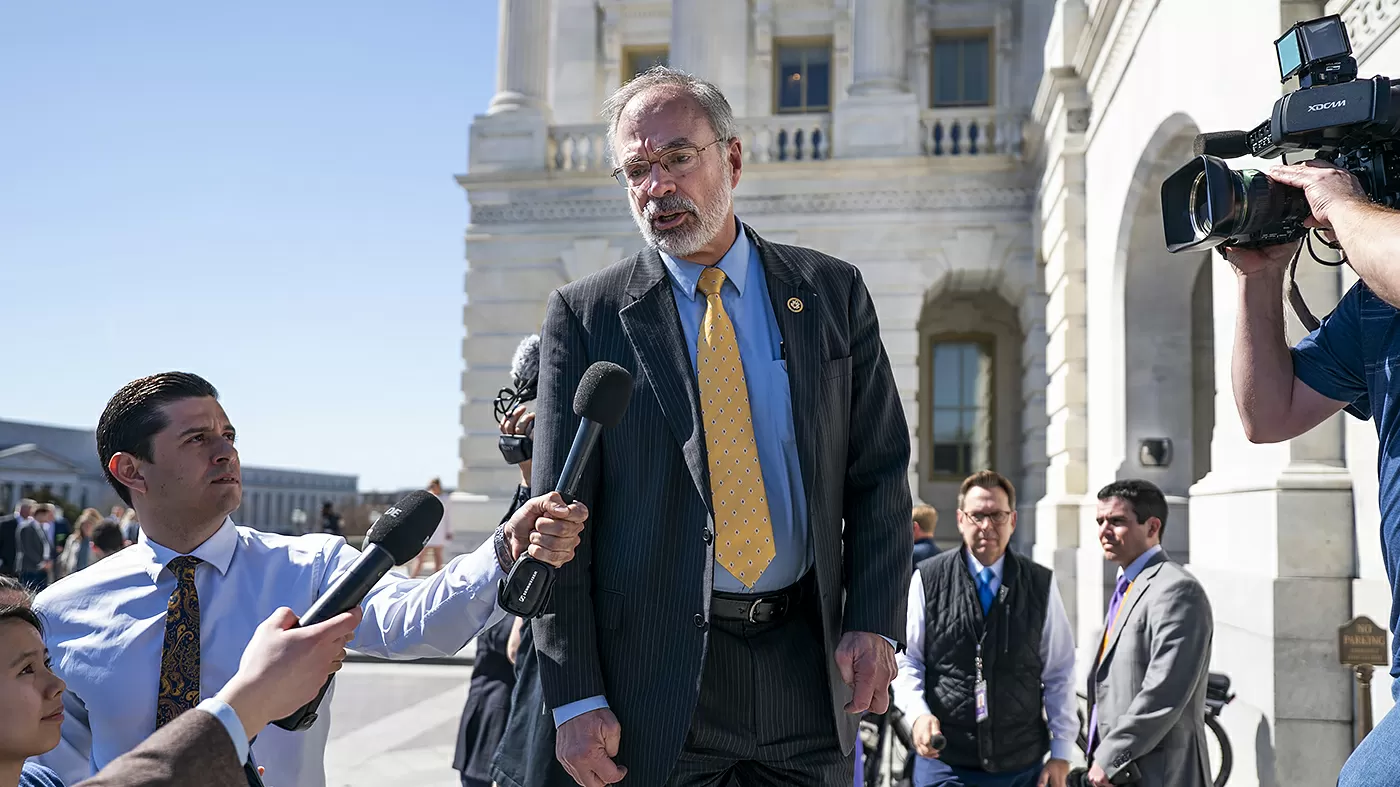
A group of hardline conservatives in the House of Representatives caused quite a stir on Tuesday as they threatened to block an important infrastructure bill. However, after some intense negotiations, they ultimately voted to advance the measure, claiming to have won some key concessions. The bill in question, known as the Standardizing Permitting and Expediting Economic Development (SPEED) Act, aims to accelerate the process of infrastructure projects by streamlining their environmental scrutiny. This move has been met with mixed reactions, with some applauding the effort to boost economic development while others express concern about the potential environmental impact. Nevertheless, the bill has now been successfully passed through the House and is on its way to the Senate for further consideration.
The SPEED Act has been a hotly debated topic in Congress for quite some time now. Many have argued that the current process for approving infrastructure projects is too slow and cumbersome, hindering economic growth and job creation. The bill’s proponents, led by the hardline conservatives, have been pushing for a more streamlined approach that would cut through the red tape and get projects off the ground faster. However, this has been met with resistance from environmental advocates who fear that this could lead to a disregard for important environmental regulations and protections.
Despite the initial threat to block the bill, the hardline conservatives ultimately decided to support it after securing some key concessions. These concessions include provisions that would ensure that environmental impact assessments are still conducted, albeit in a more efficient and timely manner. This compromise shows that the House is willing to work together and find common ground in order to move important legislation forward.
One of the key features of the SPEED Act is the creation of a new council, composed of representatives from various government agencies, tasked with coordinating and expediting the permitting process for infrastructure projects. This would not only speed up the process but also ensure that all necessary environmental regulations are still being followed. This council would also have the authority to make decisions on behalf of the agencies involved, eliminating the need for lengthy and often frustrating interagency negotiations.
The bill also includes measures to address the issue of frivolous lawsuits that often delay or halt infrastructure projects. These lawsuits, often filed by environmental groups, can significantly slow down the process and add unnecessary costs. The SPEED Act aims to discourage such lawsuits by imposing penalties on those who file them without just cause.
The passage of the SPEED Act has been met with praise from the business community, who see it as a much-needed boost for economic growth and job creation. The bill’s supporters argue that by cutting down on the time and costs associated with infrastructure projects, businesses will be more inclined to invest in new projects, leading to a stronger economy and more job opportunities. This sentiment was echoed by House Speaker Nancy Pelosi, who hailed the bill as a “critical step towards rebuilding our infrastructure and creating good-paying jobs for American workers.”
However, the bill does have its critics. Environmental groups have expressed concerns that the SPEED Act could lead to a weakening of important environmental regulations and protections. They argue that by expediting the process, there may not be enough time for thorough assessments and proper consideration of potential environmental impacts. These concerns are valid and should be carefully considered as the bill moves forward.
In conclusion, the passage of the SPEED Act in the House is a positive step towards addressing the long-standing issue of slow and cumbersome infrastructure project approvals. While there are valid concerns about the potential environmental impact, the bill’s provisions for conducting efficient and timely environmental assessments and discouraging frivolous lawsuits show a commitment to finding a balance between economic development and environmental protection. As the bill makes its way to the Senate, it is important for all parties to continue working together to ensure that the final version of the SPEED Act is in the best interest of both the economy and the environment.
