
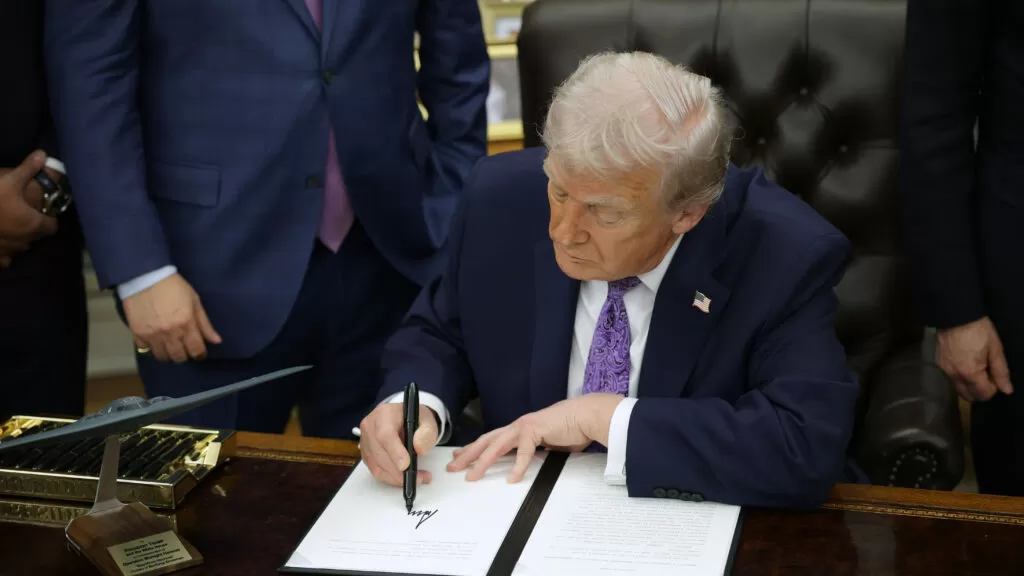
In a move that has sparked controversy and concern, President Trump recently signed an executive order to block state laws regulating artificial intelligence (AI). While this decision may benefit the tech industry, it could have negative consequences for health systems and leave patients vulnerable.
The use of AI in various industries has been on the rise in recent years, and the healthcare sector is no exception. From improving diagnostic accuracy to streamlining administrative tasks, AI has the potential to revolutionize the way healthcare is delivered. However, with this potential comes the need for proper regulation to ensure the safety and ethical use of AI.
Several states, including California and Washington, have taken the initiative to pass laws that regulate the use of AI in healthcare. These laws require companies to disclose when AI is being used in medical decision-making and to ensure that the technology is transparent and unbiased. They also provide guidelines for the collection and use of patient data, protecting individuals’ privacy and rights.
However, President Trump’s executive order aims to block these state laws, arguing that they create unnecessary barriers for the tech industry and hinder innovation. While this may be true to some extent, it is crucial to consider the potential consequences of this decision.
One of the main concerns is the impact on health systems and patients. Without proper regulation, there is a risk that AI could be used in ways that are harmful to patients. For example, if AI algorithms are not transparent and unbiased, they could lead to incorrect diagnoses and treatment recommendations, putting patients’ health and safety at risk.
Moreover, the use of AI in healthcare raises ethical concerns, such as the potential for discrimination and bias. Without regulations in place, there is a risk that AI could perpetuate existing inequalities in healthcare, further disadvantaging marginalized communities.
Furthermore, the lack of state laws could also leave patients vulnerable to data breaches and privacy violations. As AI relies heavily on patient data, it is crucial to have strict regulations in place to protect individuals’ sensitive information. Without these laws, patients may be at risk of having their data used without their consent or falling into the wrong hands.
On the other hand, the tech industry may benefit from the executive order. With fewer regulations, companies can develop and implement AI technology more quickly and with fewer restrictions. This could lead to increased innovation and competitiveness in the market, which could ultimately benefit consumers.
However, it is essential to strike a balance between promoting innovation and protecting patients’ rights and safety. The tech industry should not be given free rein to develop and use AI without any oversight. Instead, there should be a collaborative effort between the government, tech companies, and healthcare systems to establish regulations that promote innovation while ensuring the ethical and safe use of AI in healthcare.
In addition, the executive order could also have a negative impact on the healthcare industry’s adoption of AI. With the lack of state laws, health systems may be hesitant to invest in AI technology, fearing the potential risks and consequences. This could slow down the progress of incorporating AI into healthcare, hindering its potential to improve patient outcomes and reduce costs.
In conclusion, while President Trump’s executive order may benefit the tech industry, it could have detrimental effects on the healthcare sector and patients. Without proper regulations, the use of AI in healthcare could pose significant risks and leave patients vulnerable. It is crucial for the government to work with all stakeholders to establish regulations that promote innovation while ensuring the ethical and safe use of AI in healthcare. Only then can we fully harness the potential of AI to improve healthcare delivery and patient outcomes.
