
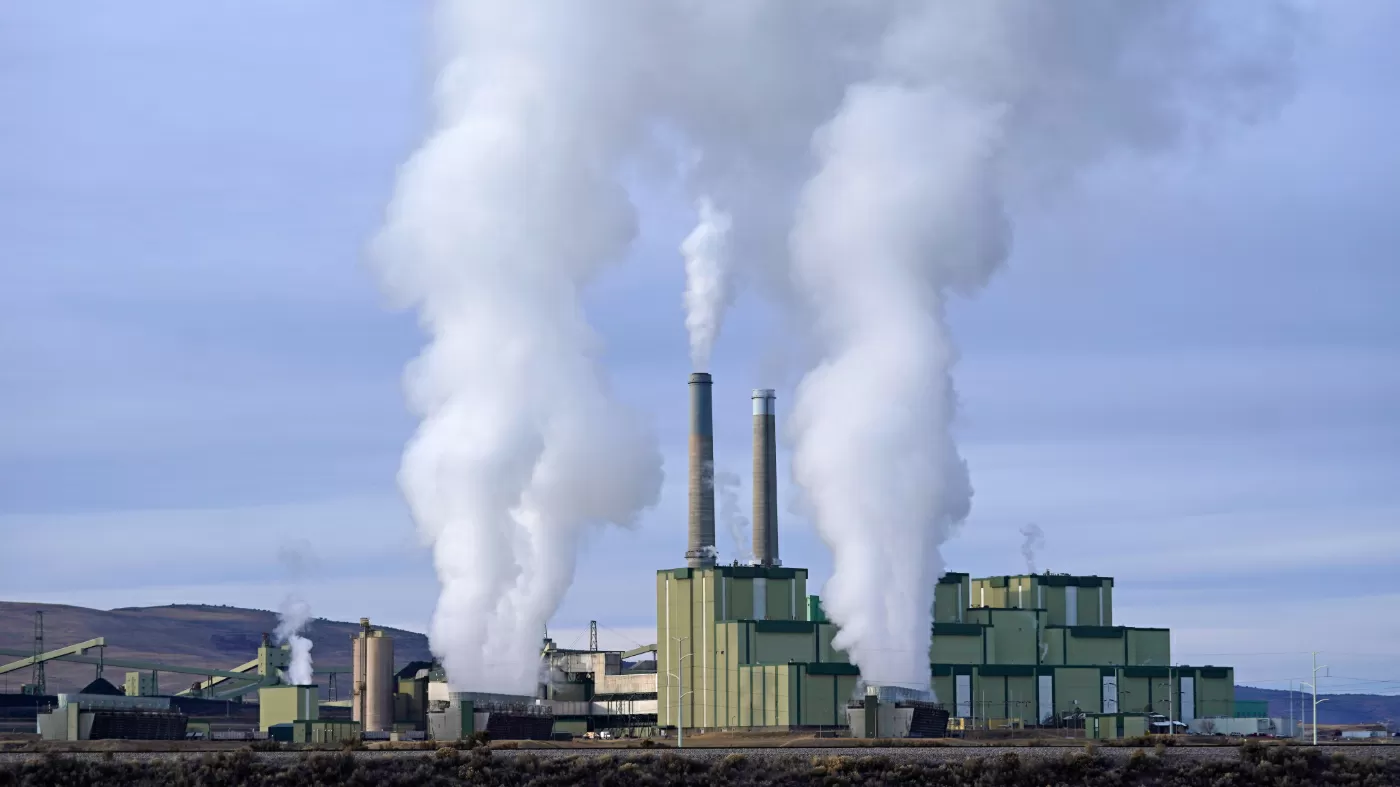
The Trump administration has recently announced a major initiative to support the struggling coal industry. The Energy Department has made $100 million available to existing coal plants in order to help them become more profitable. This move has been met with both praise and criticism, but one thing is for sure – it has reignited the conversation about the future of coal in the United States.
In a press release issued on Friday, the Energy Department stated that the funds will be used to “refurbish and modernize” existing coal plants. This means that the money will go towards upgrading and improving the efficiency of these plants, making them more competitive in the energy market. This move is seen as a major boost for the coal industry, which has been struggling in recent years due to the rise of renewable energy sources and stricter environmental regulations.
The decline of coal use in the United States has been a hot topic for many years now. In fact, coal consumption has been steadily decreasing since its peak in 2007. This has been attributed to a number of factors, including the increased use of natural gas and renewable energy sources. In addition, the Obama administration’s Clean Power Plan, which aimed to reduce carbon emissions from power plants, also played a role in the decline of coal.
However, the Trump administration has taken a different approach when it comes to energy policies. President Trump has been a vocal supporter of the coal industry, promising to bring back coal jobs and revitalize the struggling industry. This move to provide funds for existing coal plants is just one of many actions taken by the administration to fulfill this promise.
Critics of this initiative argue that investing in coal is a step backwards and goes against efforts to combat climate change. They argue that the money would be better spent on promoting renewable energy sources and transitioning to a cleaner and more sustainable energy future. However, supporters of the move argue that coal is still a vital source of energy and providing funds to improve its efficiency will not only benefit the industry, but also the economy and consumers.
One of the main benefits of this initiative is the potential for job creation. The coal industry has been hit hard in recent years, leading to job losses and economic struggles in many communities that rely on coal. By investing in existing coal plants, the industry will be able to create new jobs and support the local economies. This will not only benefit those directly employed by the coal plants, but also other industries that rely on the coal industry, such as transportation and manufacturing.
In addition, this move will also help to ensure a reliable and affordable energy supply. Coal has been a major source of energy in the United States for decades and it still plays a significant role in meeting the country’s energy needs. By investing in existing coal plants, the administration is ensuring that this source of energy remains available and affordable for consumers.
Furthermore, this initiative will also have a positive impact on the environment. Upgrading and modernizing existing coal plants will lead to a decrease in emissions and improve air quality. This is in line with the Trump administration’s goal of promoting clean and responsible energy production.
In conclusion, the Trump administration’s decision to make $100 million available for existing coal plants is a positive step towards revitalizing the struggling coal industry. This move will not only benefit the industry, but also the economy, job market, and the environment. It is a clear indication that the administration is committed to supporting all forms of energy production, including coal, in order to ensure a reliable and affordable energy supply for the American people.
