
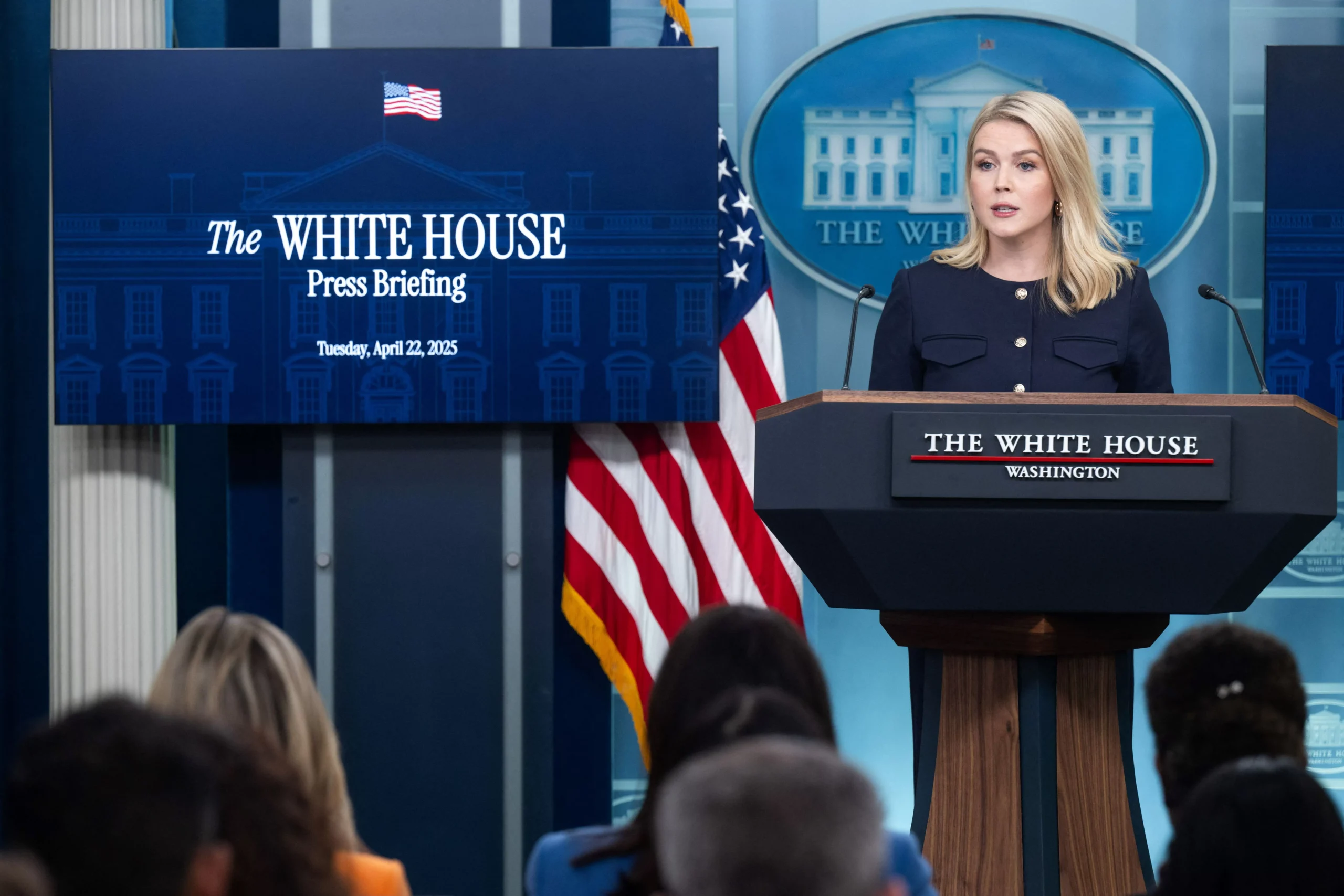
New restrictions placed on journalists by the White House and Pentagon have sparked concerns from media organizations. The recent move by the government to limit the access of journalists to certain information has raised questions about the freedom of the press and the role of the media in a democratic society.
The new restrictions, which were announced by the White House and Pentagon, aim to limit the amount of information that can be shared with the media. This includes restricting access to press briefings, limiting the number of journalists allowed to cover certain events, and requiring journalists to undergo background checks before being granted access to certain information.
These restrictions have been met with strong criticism from media organizations, who argue that they will hinder the ability of journalists to report on important issues and hold the government accountable. The Society of Professional Journalists (SPJ) has expressed concern that these restrictions will impede the public’s right to know and undermine the principles of a free press.
The SPJ, along with other media organizations, has called on the government to reconsider these restrictions and to uphold the principles of transparency and open communication. They argue that the role of the media is to serve as a watchdog for the public, and these restrictions will only serve to limit their ability to do so.
The restrictions have also sparked concerns about the government’s intentions and whether they are trying to control the narrative and limit the media’s ability to report on certain issues. This has raised questions about the government’s commitment to a free and independent press, which is a cornerstone of a democratic society.
In response to these concerns, the White House and Pentagon have stated that the restrictions are necessary for national security reasons and to protect classified information. They argue that these measures are in line with previous administrations and are not meant to hinder the media’s ability to report on important issues.
However, media organizations are not convinced and are calling for more transparency and clarity on the reasons behind these restrictions. They argue that the government should work with the media to find a balance between national security and the public’s right to know.
The restrictions have also sparked a debate about the role of the media in today’s society. With the rise of social media and citizen journalism, some argue that traditional media outlets are no longer the sole source of information. However, media organizations argue that they still play a crucial role in providing accurate and reliable information to the public.
The restrictions also come at a time when the media is already facing challenges such as declining trust and financial struggles. These restrictions could further erode the public’s trust in the media and hinder their ability to fulfill their role as the fourth estate.
It is important for the government to understand the vital role that the media plays in a democratic society. The media serves as a check and balance for the government, and any attempts to restrict their access to information can be seen as an attack on the freedom of the press.
In conclusion, the new restrictions placed on journalists by the White House and Pentagon have sparked concerns from media organizations. These restrictions have raised questions about the government’s commitment to a free and independent press and the role of the media in a democratic society. It is crucial for the government to work with the media to find a balance between national security and the public’s right to know. The media must continue to hold the government accountable and provide the public with accurate and reliable information. Only then can we ensure a truly free and democratic society.
