
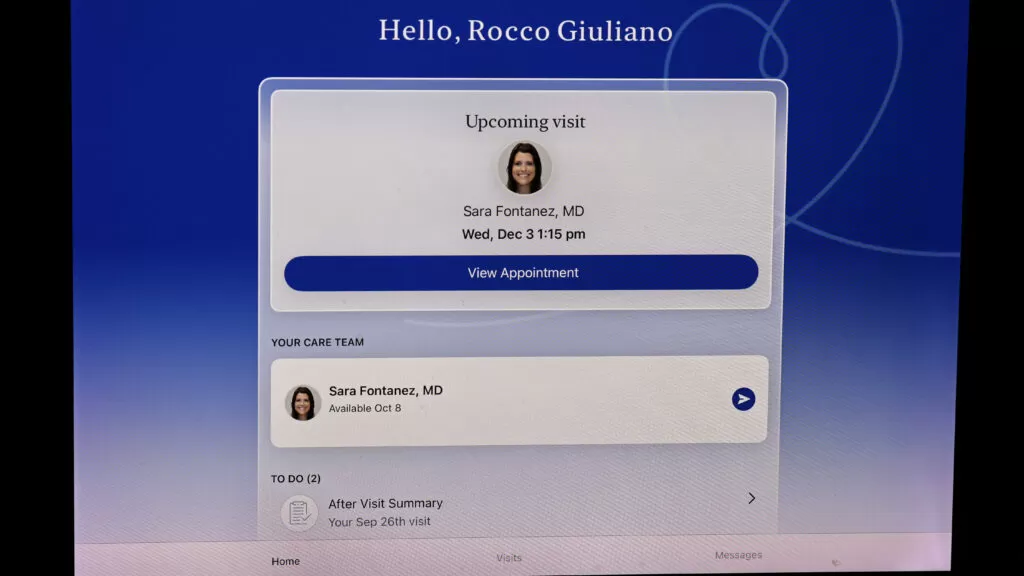
Mass General Brigham, one of the leading healthcare systems in the United States, is taking a revolutionary step towards addressing the critical shortage of primary care doctors. With the launch of an AI-powered app, the healthcare system aims to bridge the gap between the increasing demand for primary care and the limited availability of doctors. This innovative approach has the potential to revolutionize the way we access and receive primary healthcare services.
The shortage of primary care physicians is a pressing issue that has been plaguing the healthcare industry for years. As the population continues to grow and age, the demand for primary care services is only going to increase. However, the number of medical students choosing to specialize in primary care has been declining, leading to a significant shortage of doctors in this field. This shortage has resulted in longer wait times for patients, making it challenging for them to receive timely and quality care.
To combat this issue, Mass General Brigham has turned to artificial intelligence (AI) – a technology that has been making waves in various industries. With the help of AI, the healthcare system has developed an app that can question patients, review their medical records, and produce a list of potential diagnoses and treatment plans. This app, in essence, acts as a virtual primary care doctor, providing patients with a quick and accurate assessment of their health condition.
The app works by asking patients a series of questions related to their symptoms, medical history, and lifestyle habits. It then uses this information to analyze and compare with a vast database of medical records and knowledge. This process is much faster and more efficient than a human doctor, as it can analyze and learn from a large amount of data in a matter of seconds. The app also takes into account the patient’s medical history, which is often a crucial factor in diagnosing and treating an illness.
Apart from the initial assessment, the app also provides patients with a list of potential diagnoses, along with the probability of each one. This information can help patients make informed decisions about their health and seek the appropriate medical care. It also reduces the burden on primary care doctors, as they can focus on more complex cases that require their expertise.
Moreover, the AI app also has the potential to improve the overall quality of primary care. By analyzing a vast amount of data, the app can identify patterns and trends in a patient’s health, leading to early detection of potential health issues. This not only saves time and money for patients but also allows for timely intervention and treatment, which can significantly improve health outcomes.
The use of AI in healthcare is not a new concept, but Mass General Brigham’s approach is groundbreaking. By focusing on primary care, the healthcare system is taking a proactive approach towards addressing the shortage of doctors and improving access to quality care. This app has the potential to make primary care services more accessible, especially for patients in rural or underserved areas, where the shortage of doctors is more prominent.
The AI-powered app is also a step towards the future of healthcare. As technology continues to advance, we can expect to see more innovative solutions that can enhance the quality and efficiency of healthcare services. The app’s development also highlights the importance of collaboration between healthcare and technology industries. By working together, we can harness the power of technology to address some of the most significant challenges in healthcare.
In conclusion, Mass General Brigham’s decision to turn to AI to address the shortage of primary care doctors is a significant step towards improving the healthcare system. The AI app not only provides patients with quick and accurate assessments but also has the potential to improve the overall quality of primary care. This innovative approach has the potential to revolutionize the way we access and receive healthcare services, making it more accessible and efficient for all.
