
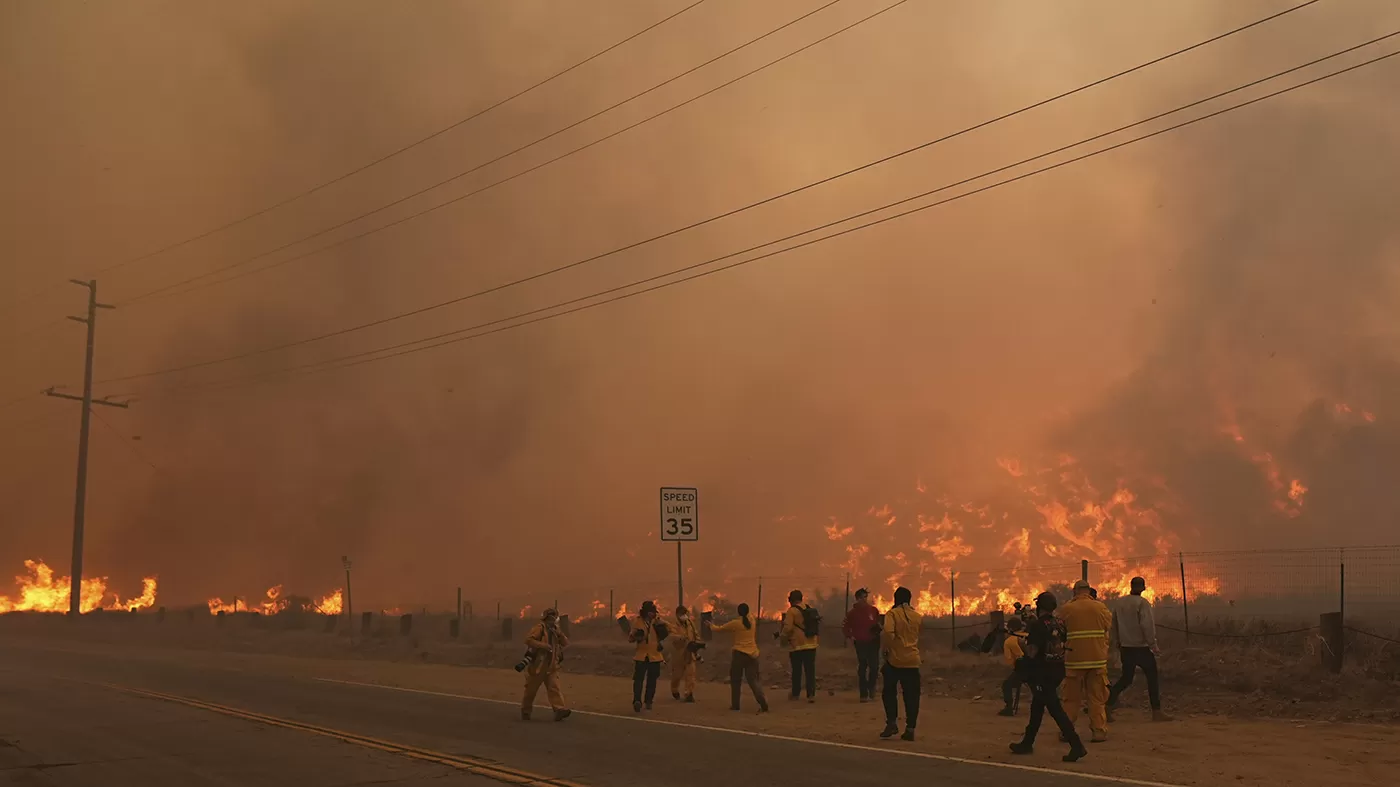
Wildfire season may be over, but new research indicates a hidden toll still lingers. As the flames have been extinguished and the smoke has cleared, many of us may think that the danger has passed. However, recent studies have shown that the impact of wildfires goes far beyond the visible destruction. The aftermath of these natural disasters can have long-lasting effects on both the environment and our health.
According to a study published in the journal Environmental Science & Technology, wildfires release harmful pollutants into the air that can have serious consequences for our health. These pollutants, known as fine particulate matter (PM2.5), are tiny particles that can easily enter our lungs and bloodstream, causing respiratory problems and even heart disease. The study found that the levels of PM2.5 in areas affected by wildfires were significantly higher than in non-affected areas, and these levels remained elevated for weeks after the fires were put out.
But it’s not just our health that is at risk. Wildfires also have a devastating impact on the environment. The intense heat from the flames can destroy entire ecosystems, leaving behind barren landscapes that take years to recover. The loss of vegetation also increases the risk of erosion and flooding, as there are no longer plants to hold the soil in place. This can have a domino effect on the surrounding areas, affecting water quality and wildlife habitats.
In addition, wildfires release large amounts of carbon dioxide into the atmosphere, contributing to the already pressing issue of climate change. According to the National Interagency Fire Center, wildfires in the United States alone emit an average of 290 million metric tons of carbon dioxide each year. This not only contributes to the warming of our planet, but it also has a direct impact on our air quality and health.
So, what can we do about this hidden toll of wildfires? The first step is to acknowledge that the danger is not over once the flames are put out. We need to take proactive measures to protect ourselves and our environment from the lingering effects of wildfires.
One way to do this is by supporting and implementing sustainable land management practices. This includes controlled burns, which can help reduce the risk of large, uncontrollable wildfires. By intentionally burning smaller areas of land, we can prevent the buildup of dry vegetation that can fuel larger fires. This also has the added benefit of promoting the growth of new, healthier vegetation.
Another important step is to reduce our carbon footprint. By making small changes in our daily lives, such as using public transportation or choosing to walk or bike instead of driving, we can help reduce the amount of carbon dioxide in the atmosphere. Additionally, supporting renewable energy sources and advocating for policies that address climate change can also have a significant impact.
It’s also crucial to stay informed and prepared for future wildfires. As climate change continues to worsen, the risk of wildfires will only increase. By staying up-to-date on weather conditions and evacuation procedures, we can better protect ourselves and our communities.
The hidden toll of wildfires may be alarming, but it’s not too late to take action. By working together and taking proactive measures, we can mitigate the impact of these natural disasters and create a safer, healthier environment for ourselves and future generations. Let’s not wait for the next wildfire season to take action – the time to act is now.
