
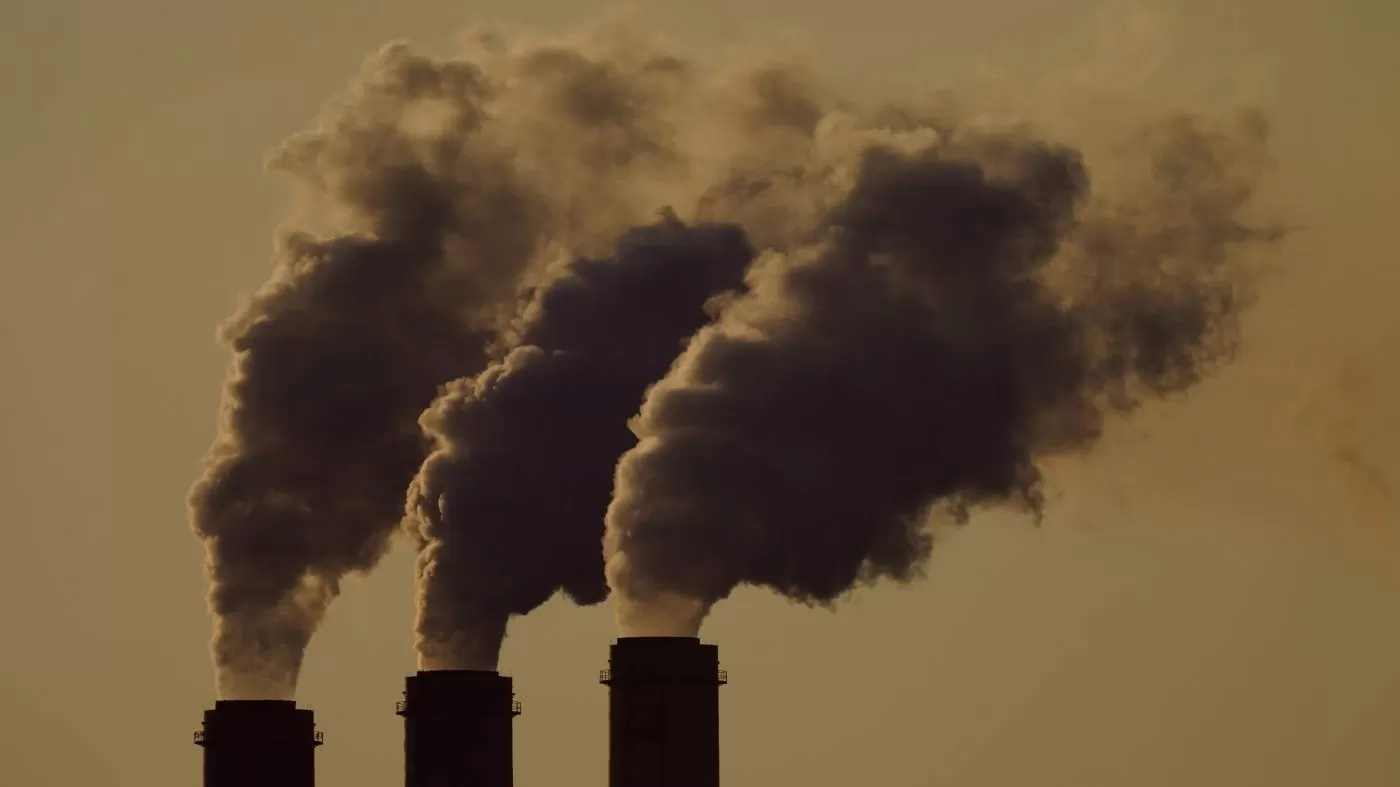
The Trump administration has been making headlines once again, this time with its latest move to support the struggling coal industry. In an effort to boost the industry, the Environmental Protection Agency (EPA) has proposed to loosen restrictions on pollution and public lands. This move has sparked controversy and raised concerns among environmentalists and citizens alike.
The EPA’s proposal includes delaying the implementation of Biden-era standards that limit power plants’ ability to release pollution into waterways. This delay would last for five years, giving power plants more time to comply with the regulations. Additionally, the EPA has hinted at the possibility of further steps to support the coal industry, which has been facing tough competition from cleaner and more sustainable energy sources.
The Trump administration’s decision to ease restrictions on pollution and public lands has been met with criticism from environmental groups. They argue that this move will have severe consequences on the environment and public health. The stricter regulations put in place by the Biden administration were aimed at reducing the amount of toxic chemicals and heavy metals released into waterways, which can have harmful effects on aquatic life and human health.
However, supporters of the proposal argue that it will help revive the struggling coal industry, which has been hit hard by the rise of renewable energy sources. They believe that the stricter regulations put in place by the previous administration were too burdensome for power plants and contributed to the decline of the coal industry. By loosening these restrictions, the Trump administration hopes to create a more favorable environment for coal companies to operate in.
The coal industry has been a significant contributor to the U.S. economy for decades, providing jobs and energy to millions of Americans. However, in recent years, it has faced tough competition from cleaner and more sustainable energy sources such as natural gas and renewable energy. This has led to a decline in the demand for coal and the closure of many coal-fired power plants.
The Trump administration’s efforts to support the coal industry have been ongoing since the beginning of his presidency. In 2017, President Trump signed an executive order to roll back Obama-era regulations on coal-fired power plants, which aimed to reduce carbon emissions. This move was met with praise from the coal industry but faced backlash from environmentalists and some states.
The EPA’s proposal to delay the implementation of stricter regulations on pollution and public lands is just the latest in a series of actions taken by the Trump administration to support the coal industry. While it may provide temporary relief for the struggling industry, it raises concerns about the long-term effects on the environment and public health.
Environmentalists argue that the EPA’s proposal goes against the agency’s mission to protect human health and the environment. They fear that delaying the implementation of stricter regulations will only worsen the already alarming levels of pollution in waterways and contribute to the decline of aquatic life.
Moreover, the proposal also raises concerns about the protection of public lands. The Trump administration has been criticized for its efforts to open up public lands for mining and drilling, which could have detrimental effects on the environment and wildlife.
In conclusion, the Trump administration’s proposal to loosen restrictions on pollution and public lands in an effort to support the coal industry has sparked controversy and raised concerns among environmentalists. While it may provide temporary relief for the struggling industry, it could have severe consequences on the environment and public health in the long run. It is essential for the EPA to carefully consider the potential impacts of this proposal and prioritize the protection of the environment and public health.
