
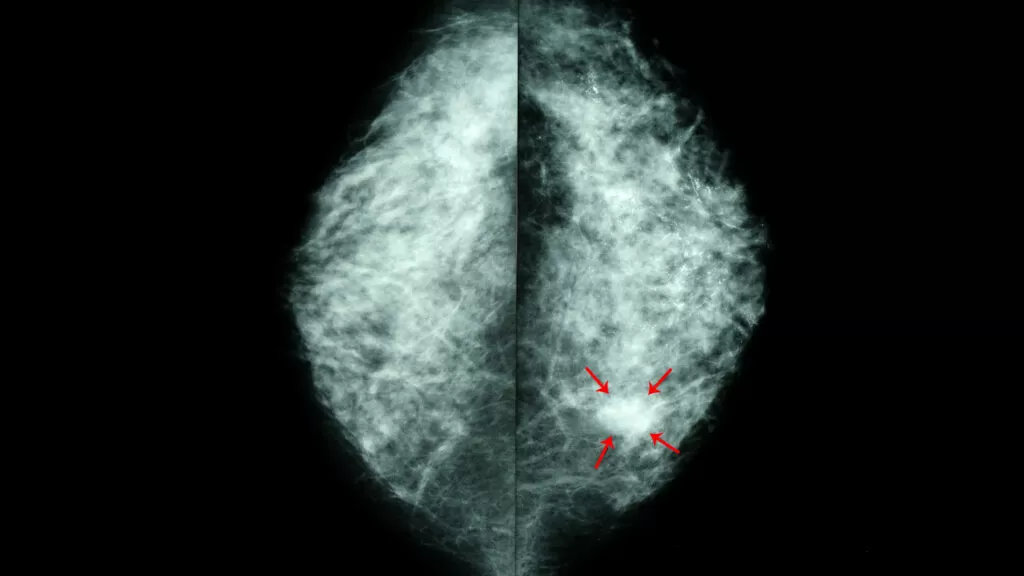
Breast cancer is the most common form of cancer among women, with over 2 million new cases diagnosed every year. Early detection is key to increasing the chances of survival and improving treatment outcomes. Mammography, a low-dose X-ray of the breast, is the most widely used screening method for breast cancer. However, it is not without its limitations. In recent years, there has been a growing interest in using artificial intelligence (AI) to improve the accuracy of mammography and fill the evidence gap. And now, a major randomized controlled trial of AI for screening mammography is set to take place, which could be a game-changer in the fight against breast cancer.
Mammography has been the gold standard for breast cancer screening for decades. However, it has its own set of limitations, including high false-positive rates and missed diagnoses. This can lead to unnecessary biopsies and delays in diagnosis, causing additional stress and anxiety for women. With the advancements in technology, AI has emerged as a promising solution to improve the accuracy of mammography and reduce these limitations.
AI has the ability to analyze large amounts of data and identify patterns that may not be visible to the human eye. This makes it a valuable tool in the field of medicine, especially in the early detection of diseases like breast cancer. Several studies have shown that AI can improve the accuracy of mammography, leading to earlier detection and better treatment outcomes. However, most of these studies have been conducted on small sample sizes and have not been rigorously tested in real-world settings.
This is where the major randomized controlled trial of AI for screening mammography comes in. The trial, which is set to be the largest of its kind, will be conducted by the National Cancer Institute (NCI) and will involve 165,000 women across the United States. This trial is significant as it will provide robust evidence on the effectiveness of AI in improving the accuracy of mammography in a real-world setting.
The trial will use AI software developed by Google Health to analyze mammograms and identify abnormalities that may indicate breast cancer. The software will be tested against traditional mammography and will be evaluated for its ability to reduce false-positive rates and improve early detection. The results of this trial will be closely monitored and analyzed by experts in the field, and if successful, it could lead to the widespread use of AI in breast cancer screening.
One of the key benefits of using AI in mammography is its ability to learn and adapt. As more data is fed into the system, the AI software will continue to improve its accuracy, leading to even better results in the future. This could potentially revolutionize the way we approach breast cancer screening and improve outcomes for millions of women worldwide.
The potential impact of this trial cannot be overstated. With millions of mammograms being conducted every year, the use of AI in screening could have a significant impact on the early detection of breast cancer and ultimately save lives. It could also reduce the burden on healthcare systems by reducing unnecessary biopsies and follow-up appointments.
Moreover, this trial could also pave the way for the use of AI in other areas of medicine, leading to improved accuracy and efficiency in diagnosis and treatment. It could also open up new avenues for research and development in the field of AI and its application in healthcare.
In conclusion, the major randomized controlled trial of AI for screening mammography is a significant step towards improving the accuracy of breast cancer screening. It will provide valuable evidence on the effectiveness of AI in a real-world setting and could potentially revolutionize the way we approach breast cancer diagnosis. This trial has the potential to save lives and improve outcomes for millions of women, and we can only hope for a positive outcome.
