
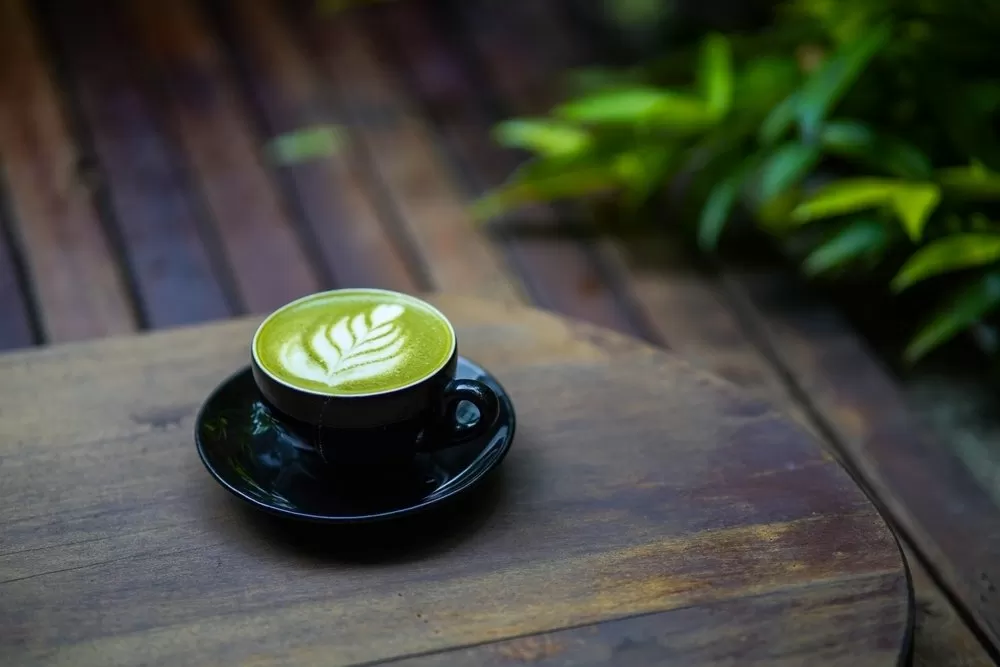
The world’s love affair with matcha, the vibrant green powdered tea, is about to face a major challenge. As demand for this traditional Japanese beverage has soared in recent years, suppliers are warning that prices are set to steeply increase. This news may come as a shock to matcha enthusiasts, but it also serves as a testament to the growing global interest in this unique and versatile drink.
Matcha has been a staple in Japanese culture for centuries, used in traditional tea ceremonies and as a popular ingredient in various dishes. But in recent years, its popularity has spread beyond Japan’s borders, with matcha cafes and specialty shops popping up in major cities around the world. The rise of health and wellness trends has also contributed to matcha’s surge in popularity, as it is often touted as a superfood with numerous health benefits.
With such a high demand for matcha, it’s no surprise that suppliers are struggling to keep up. The delicate process of producing matcha involves shading and hand-picking the tea leaves, which are then stone-ground into a fine powder. This labor-intensive process, combined with the limited growing regions in Japan, makes matcha a relatively rare and expensive commodity. In fact, some experts predict that matcha prices could increase by as much as 50% in the near future.
But what does this mean for matcha lovers around the world? Will they have to say goodbye to their beloved drink, or will they be willing to pay the steep price for a taste of this green gold? While some may be deterred by the potential price hike, there are several reasons why matcha’s popularity is unlikely to wane.
First and foremost, matcha’s unique flavor and versatility make it stand out from other teas. Its distinct grassy and slightly bitter taste, combined with its vibrant color, make it a favorite among tea connoisseurs and curious newcomers alike. Matcha can also be used in a variety of recipes, from lattes and smoothies to baked goods and savory dishes. This versatility adds to its appeal and makes it a must-have ingredient for health-conscious foodies.
Moreover, matcha’s numerous health benefits are a major driving force behind its popularity. The tea is packed with antioxidants, vitamins, and minerals, making it a powerful immune booster and a potential aid in weight loss and disease prevention. As more and more people prioritize their health and wellness, matcha’s reputation as a superfood is likely to keep its demand high, despite the potential price increase.
Another factor to consider is the growing interest in Japanese culture and cuisine. Matcha’s ties to traditional Japanese practices and its unique production process make it a sought-after experience for many. As international travel becomes more accessible, more people are discovering matcha and incorporating it into their daily routines. This global interest in Japanese culture is a testament to matcha’s ability to transcend borders and bring people together through a shared love of this iconic beverage.
In addition, the rise of the matcha industry has also brought about new innovations and alternatives. With more companies investing in matcha production, we are seeing an increase in the availability of high-quality matcha at more affordable prices. This competition in the market is likely to continue, making matcha more accessible to a wider audience.
In conclusion, while the news of steep price increases may cause concern for matcha lovers, there are many reasons why its popularity is unlikely to falter. Its unique flavor, versatility, health benefits, cultural significance, and growing availability all contribute to matcha’s enduring appeal. So, let us raise our matcha lattes and toast to the continued success of this beloved beverage. Cheers to matcha, the green gold of the tea world!
